
Overview
This report discusses a significant vulnerability, CVE-2025-53230, that affects the Page Manager for Elementor through version 2.0.5. This vulnerability is crucial as it can potentially lead to system compromise or data leakage due to incorrectly configured access control levels.
Vulnerability Summary
CVE ID: CVE-2025-53230
Severity: High (7.6 CVSS score)
Attack Vector: Network
Privileges Required: None
User Interaction: None
Impact: System compromise or data leakage
Affected Products
 Escape the Surveillance Era
Most apps won’t tell you the truth.
They’re part of the problem.
Phone numbers. Emails. Profiles. Logs.
It’s all fuel for surveillance.
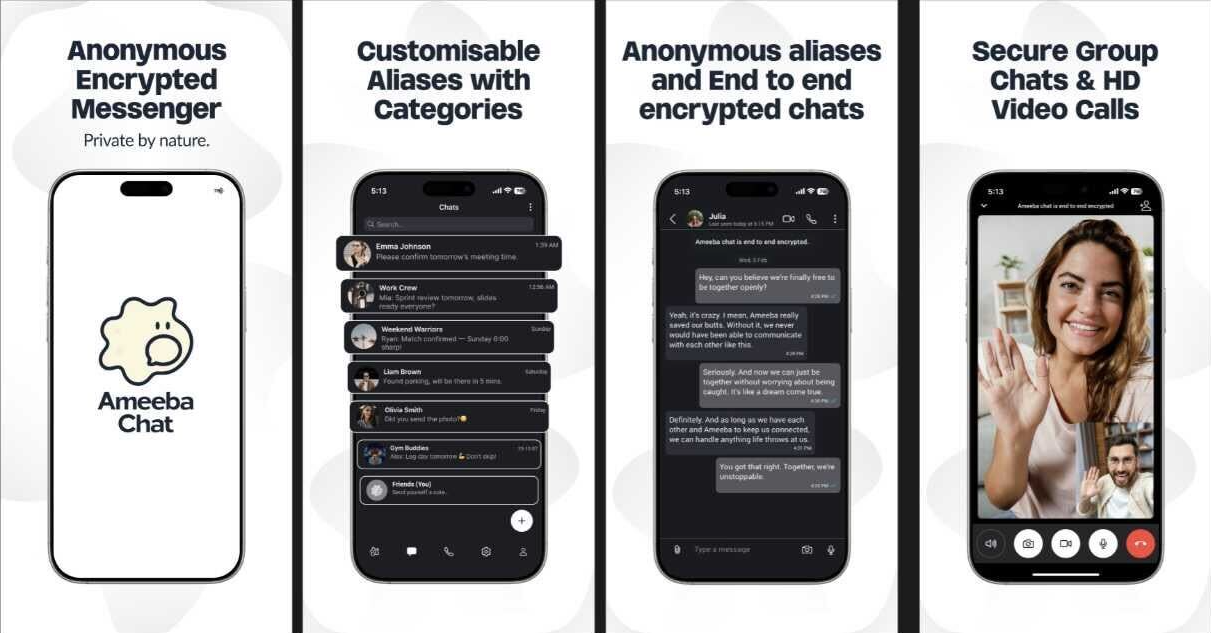
Ameeba Chat gives you a way out.
- • No phone number
- • No email
- • No personal info
- • Anonymous aliases
- • End-to-end encrypted
Chat without a trace.
Product | Affected Versions
Page Manager for Elementor | up to and including 2.0.5
How the Exploit Works
The vulnerability lies in the lack of proper authorization checks within the Page Manager for Elementor. This flaw allows attackers to bypass access controls and potentially gain unauthorized access to sensitive data or perform unauthorized actions. This vulnerability can be exploited remotely over the network without requiring any user interaction or specific privileges, making it particularly dangerous.
Conceptual Example Code
Here is a conceptual example of how an attacker might exploit this vulnerability. The attacker could send a specially crafted HTTP POST request to a vulnerable endpoint:
POST /elementor_page_manager/access HTTP/1.1
Host: target.example.com
Content-Type: application/json
{ "access_level": "admin" }
In this example, the attacker attempts to gain admin-level access to the Elementor page manager by sending a malicious JSON payload. This exploit is only conceptual and may not work in a real-world situation.
Mitigation Guidance
Users are advised to apply the vendor’s patch immediately to mitigate this vulnerability. If the patch cannot be applied immediately, using a Web Application Firewall (WAF) or Intrusion Detection System (IDS) can offer temporary mitigation. However, these should not be considered long-term solutions as they may not fully protect against all potential exploitation of this vulnerability.
