
Overview
CVE-2025-53169 is a critical vulnerability that allows attackers to bypass the process to start SA and use related functions on distributed cameras without user consent. This vulnerability puts the privacy and security of individuals and establishments at risk, as malicious actors could potentially gain unauthorized access to cameras, leading to potential system compromise or data leakage.
Vulnerability Summary
CVE ID: CVE-2025-53169
Severity: High (CVSS: 7.6)
Attack Vector: Network
Privileges Required: None
User Interaction: None
Impact: Unauthorized access to cameras, potential system compromise or data leakage.
Affected Products
 Escape the Surveillance Era
Most apps won’t tell you the truth.
They’re part of the problem.
Phone numbers. Emails. Profiles. Logs.
It’s all fuel for surveillance.
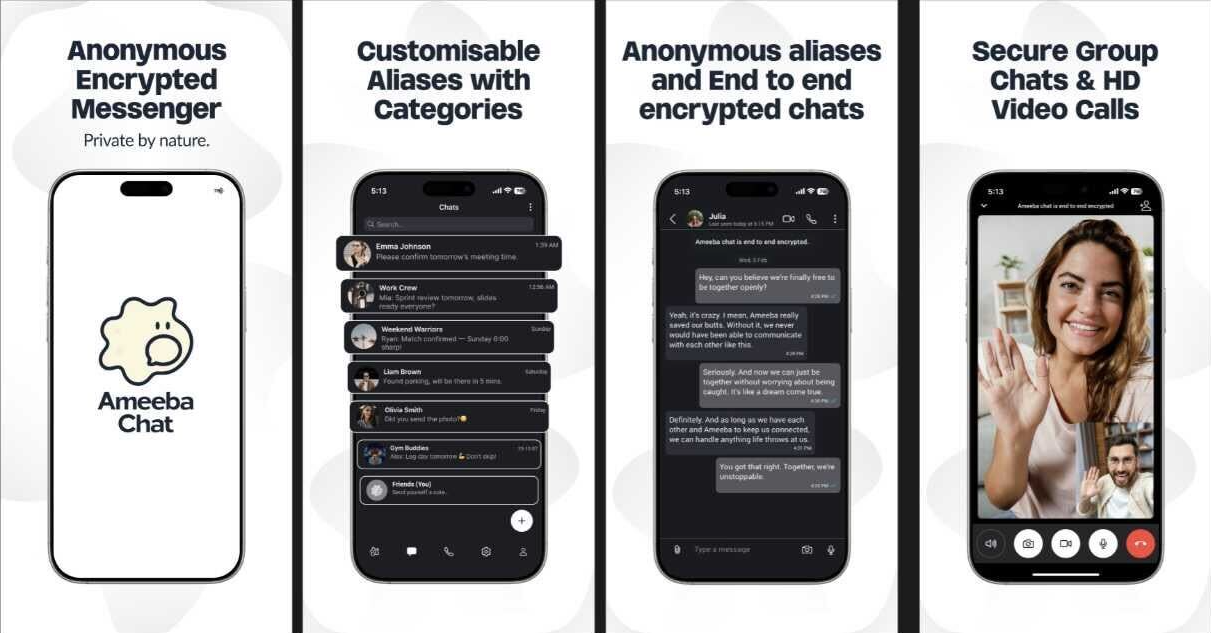
Ameeba Chat gives you a way out.
- • No phone number
- • No email
- • No personal info
- • Anonymous aliases
- • End-to-end encrypted
Chat without a trace.
Product | Affected Versions
Distributed Camera Systems | All versions prior to patch
How the Exploit Works
An attacker exploiting this vulnerability would be able to bypass the start SA process on distributed camera systems, allowing them to access and use the camera functions without the user’s knowledge. This could be achieved by sending specially crafted network packets to the vulnerable device. Once the bypass is successful, the attacker gains control over the camera, potentially leading to system compromise or data leakage.
Conceptual Example Code
Here is a conceptual example of how this exploit might work. This example represents a malicious network packet that could potentially be used to bypass the start SA process:
POST /startSA/bypass HTTP/1.1
Host: targetcamera.example.com
Content-Type: application/json
{ "bypass_payload": "encoded_exploit_command" }
Please note that this is a simplified example and actual exploitation would require detailed knowledge of the specific distributed camera system and its vulnerabilities.
Mitigation Guidance
Users are advised to promptly apply the vendor’s patch to remediate this vulnerability. As temporary mitigation, deploying Web Application Firewall (WAF) or Intrusion Detection System (IDS) may help detect and prevent attempts to exploit this vulnerability.
