
Overview
The CVE-2025-5287 vulnerability pertains to the Likes and Dislikes Plugin for WordPress, which is susceptible to SQL Injection attacks. This vulnerability affects all versions of the plugin up to, and including, 1.0.0. Being a common target for cyberattacks due to its widespread use, WordPress plugin vulnerabilities pose a significant risk to a large number of websites, potentially compromising system security and leading to data leakage.
Vulnerability Summary
CVE ID: CVE-2025-5287
Severity: High (7.5 CVSS Score)
Attack Vector: Network
Privileges Required: None
User Interaction: None
Impact: Potential system compromise and data leakage
Affected Products
 Escape the Surveillance Era
Most apps won’t tell you the truth.
They’re part of the problem.
Phone numbers. Emails. Profiles. Logs.
It’s all fuel for surveillance.
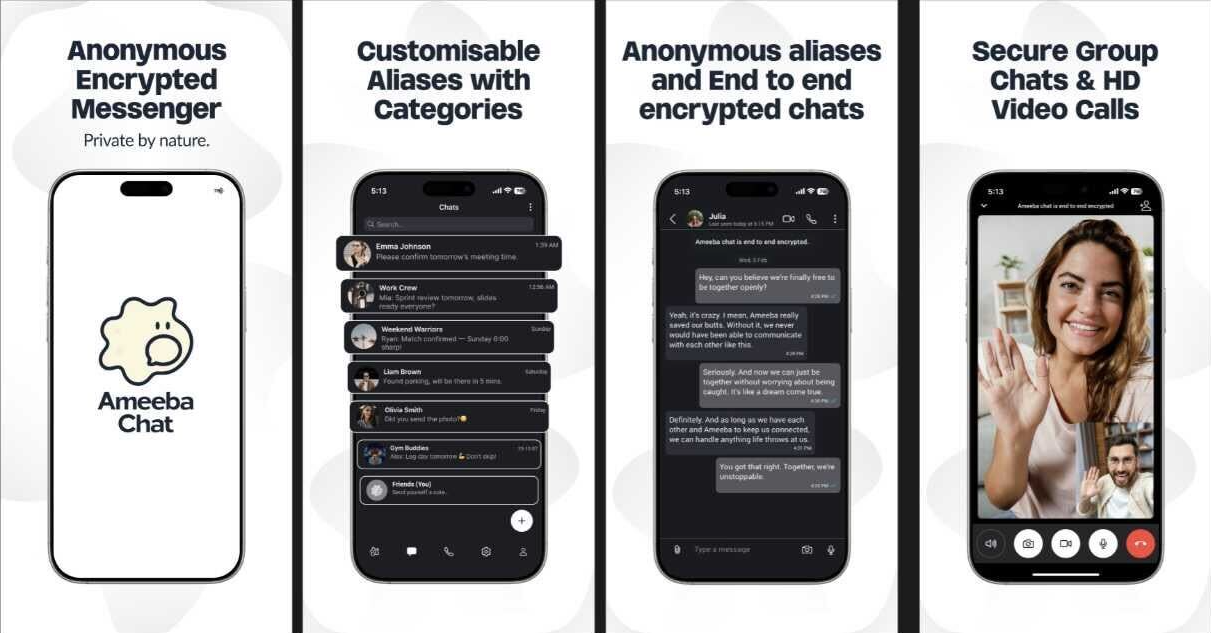
Ameeba Chat gives you a way out.
- • No phone number
- • No email
- • No personal info
- • Anonymous aliases
- • End-to-end encrypted
Chat without a trace.
Product | Affected Versions
Likes and Dislikes Plugin for WordPress | Up to and including 1.0.0
How the Exploit Works
The vulnerability arises from insufficient escaping on user-supplied parameters and inadequate preparation on the existing SQL query within the ‘post’ parameter of the plugin. These shortcomings enable unauthenticated attackers to append extra SQL queries into the existing ones. As a result, attackers can extract sensitive information from the database, leading to potential system compromise and data leakage.
Conceptual Example Code
An example of exploiting this vulnerability is shown below. In the ‘post’ parameter of the HTTP request, the attacker injects an additional SQL query that will be executed on the server:
POST /wp-json/likes-and-dislikes/v1/post HTTP/1.1
Host: target.example.com
Content-Type: application/json
{ "post": "1; SELECT * FROM wp_users;" }
In this example, the malicious SQL command `SELECT * FROM wp_users;` is injected, which can potentially extract all user data from the ‘wp_users’ table.
Mitigation Guidance
To mitigate this vulnerability, it is advised to apply the vendor patch as soon as it becomes available. Until then, using a Web Application Firewall (WAF) or Intrusion Detection System (IDS) can provide temporary mitigation. Regularly updating software, using strong, unique passwords, and limiting the number of login attempts can also help protect against such vulnerabilities.
