
Overview
CVE-2025-5270 is a vulnerability concerning Firefox versions earlier than 139. In specific cases, Server Name Indication (SNI) could have been transmitted unencrypted, even when encrypted DNS was enabled. This vulnerability presents a significant risk as it opens potential avenues for system compromise or data leakage, impacting the privacy and security of both individual users and enterprises.
Vulnerability Summary
CVE ID: CVE-2025-5270
Severity: High (7.5 CVSS score)
Attack Vector: Network
Privileges Required: None
User Interaction: None
Impact: Potential system compromise or data leakage
Affected Products
 Escape the Surveillance Era
Most apps won’t tell you the truth.
They’re part of the problem.
Phone numbers. Emails. Profiles. Logs.
It’s all fuel for surveillance.
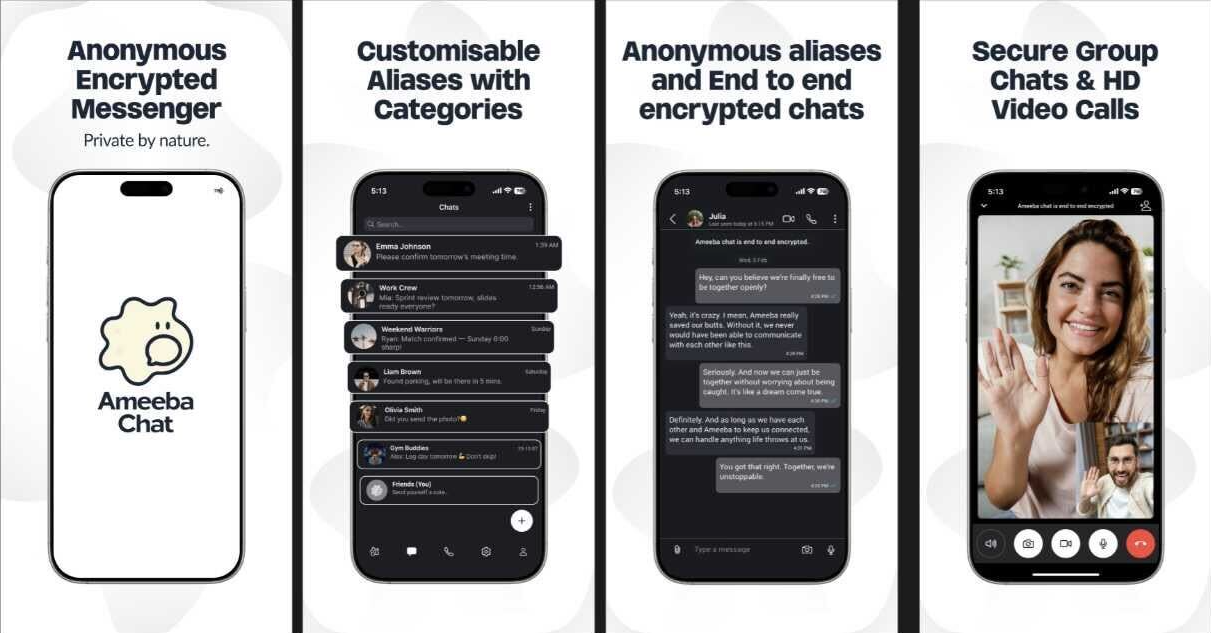
Ameeba Chat gives you a way out.
- • No phone number
- • No email
- • No personal info
- • Anonymous aliases
- • End-to-end encrypted
Chat without a trace.
Product | Affected Versions
Firefox | < 139 How the Exploit Works
This exploit takes advantage of a flaw where the SNI is sent unencrypted despite DNS encryption being enabled. The attacker can therefore potentially gain access to sensitive session information, which can lead to unauthorized access to the system or data leakage.
Conceptual Example Code
In this conceptual example, the attack involves intercepting the unencrypted SNI data during a session initiated by a user. This could be done using a man-in-the-middle attack, for example:
# Attacker sets up a sniffer to capture unencrypted SNI data
sniffer --capture-sni --interface eth0 --save-to-file captured_sni_data.txt
# Attacker analyzes the captured SNI data for potential exploitation
analyze --file captured_sni_data.txt --extract-session-info
Note: This is a conceptual example, and the exact commands and tools an attacker might use can vary.
Mitigation and Countermeasures
Users should apply the vendor patch for Firefox 139 and later versions to mitigate this vulnerability. In the interim, the use of a Web Application Firewall (WAF) or Intrusion Detection System (IDS) can provide temporary mitigation by detecting and blocking malicious traffic.
