
Overview
The CVE-2025-52653 vulnerability refers to a Cross Site Scripting (XSS) issue identified in the web application component of the HCL MyXalytics product. This vulnerability, if exploited, allows the execution of unauthorized scripts, which can potentially lead to unauthorized system access and actions. Given the severity of the potential impact, it is vital for organizations using this product to address this issue promptly.
Vulnerability Summary
CVE ID: CVE-2025-52653
Severity: High (7.6 CVSS Score)
Attack Vector: Network
Privileges Required: None
User Interaction: Required
Impact: Potential system compromise and data leakage
Affected Products
 Escape the Surveillance Era
Most apps won’t tell you the truth.
They’re part of the problem.
Phone numbers. Emails. Profiles. Logs.
It’s all fuel for surveillance.
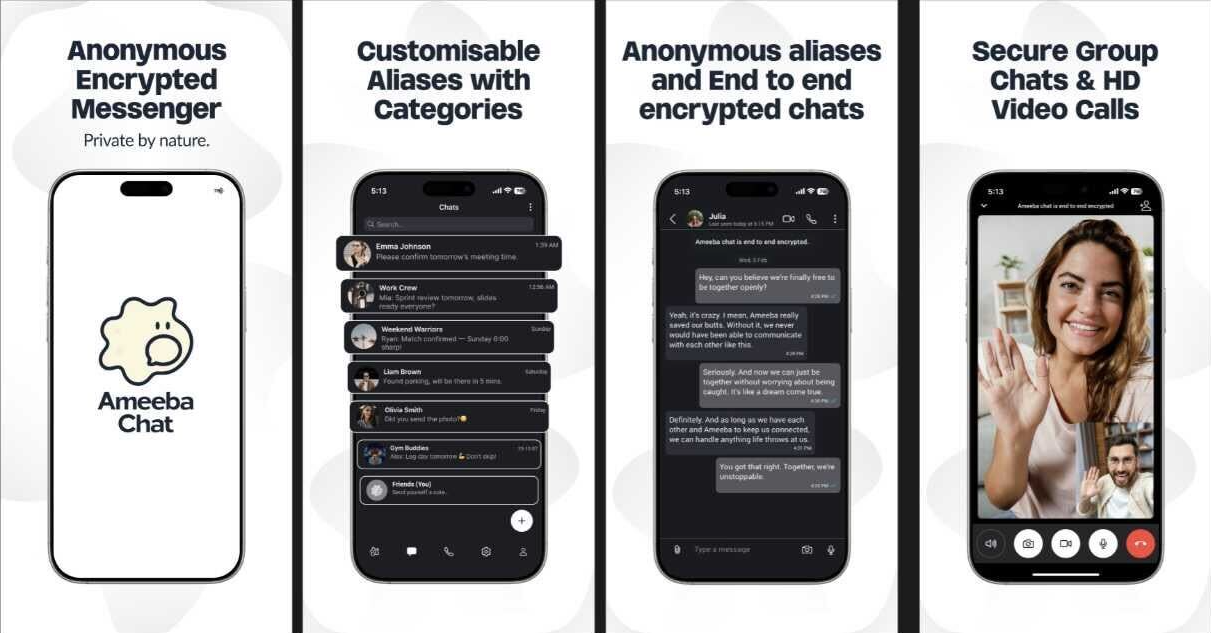
Ameeba Chat gives you a way out.
- • No phone number
- • No email
- • No personal info
- • Anonymous aliases
- • End-to-end encrypted
Chat without a trace.
Product | Affected Versions
HCL MyXalytics | All versions prior to the vendor patch
How the Exploit Works
The exploit works by an attacker injecting unauthorized scripts into the web application interface of the HCL MyXalytics product. This is typically done through manipulated user inputs or by tricking a user into clicking a specifically crafted link. Once the unauthorized script is executed, it can enable the attacker to perform actions on behalf of the user or gain unauthorized access to the system.
Conceptual Example Code
The following is a conceptual example of how the vulnerability might be exploited. This example uses a hypothetical HTTP request to send a malicious script to the vulnerable endpoint:
GET /vulnerable/endpoint HTTP/1.1
Host: target.example.com
<script>
// Malicious script here
</script>
This example demonstrates the potential simplicity of an attack, emphasizing the importance of addressing this vulnerability promptly. Organizations are advised to apply the vendor-provided patch or use a Web Application Firewall (WAF) or Intrusion Detection System (IDS) as a temporary mitigation measure.
