
Overview
The vulnerability CVE-2025-51986 is a critical cybersecurity issue discovered in the demo/LINUXTCP implementation of cwalter-at freemodbus v.2018-09-12. This vulnerability can allow attackers to trigger an infinite loop in the system via a crafted packet length value. The vulnerability primarily affects users or systems utilizing the said freemodbus component and poses a significant risk due to its potential for system compromise and data leakage.
Vulnerability Summary
CVE ID: CVE-2025-51986
Severity: High (7.5 CVSS score)
Attack Vector: Network
Privileges Required: None
User Interaction: None
Impact: Potential system compromise and data leakage
Affected Products
 Escape the Surveillance Era
Most apps won’t tell you the truth.
They’re part of the problem.
Phone numbers. Emails. Profiles. Logs.
It’s all fuel for surveillance.
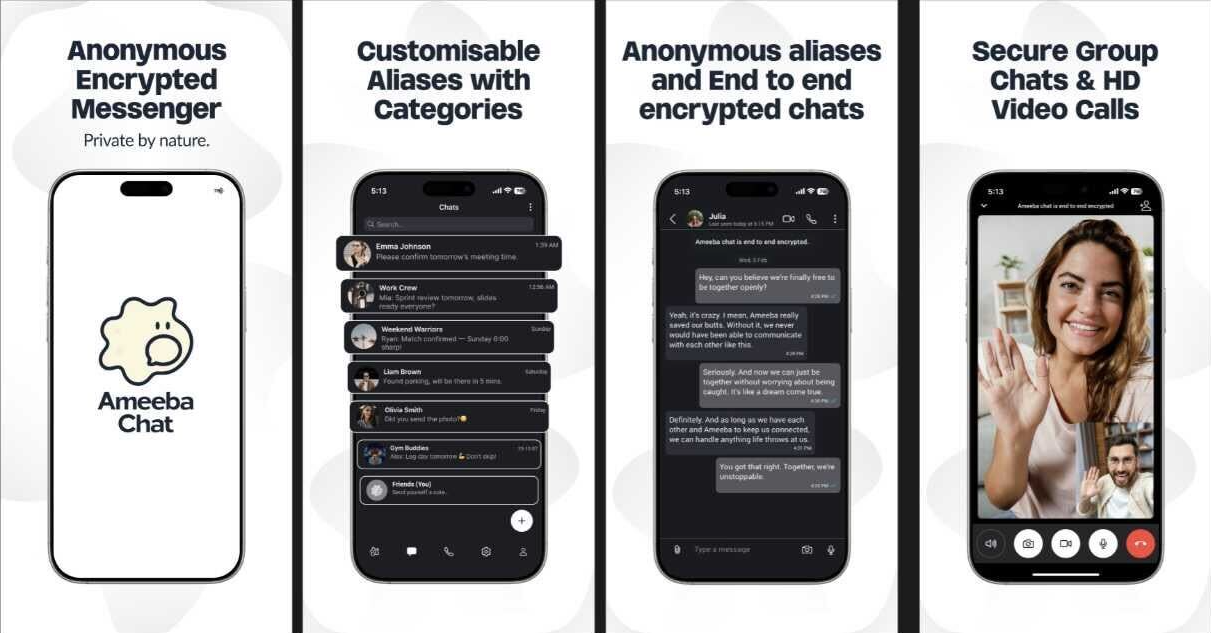
Ameeba Chat gives you a way out.
- • No phone number
- • No email
- • No personal info
- • Anonymous aliases
- • End-to-end encrypted
Chat without a trace.
Product | Affected Versions
freemodbus | v.2018-09-12
How the Exploit Works
The exploit works by crafting a packet with a specific length value that could trigger an infinite loop in the demo/LINUXTCP implementation of freemodbus. This loop can cause system instability, potentially leading to system compromise or data leakage.
Conceptual Example Code
Below is a conceptual example of how the vulnerability might be exploited. This pseudocode represents a crafted packet with a malicious length value that could trigger the infinite loop.
POST /LINUXTCP/freemodbus HTTP/1.1
Host: target.example.com
Content-Type: application/mbap
{ "transaction_identifier": "1234", "protocol_identifier": "00", "length": "infinite", "unit_identifier": "01" }
Mitigation
To mitigate this vulnerability, users are advised to apply the vendor-provided patch as soon as it’s available. In the meantime, users could employ Web Application Firewalls (WAF) or Intrusion Detection Systems (IDS) as temporary mitigation strategies. These tools can help detect and block malicious packets, preventing attackers from exploiting this vulnerability.
