
Overview
The Sage DPW versions 2024_12_004 and earlier have been found to contain a critical vulnerability that allows unauthorized access to the built-in Database Monitor. This vulnerability, identified as CVE-2025-51532, can lead to potential system compromise or data leakage if exploited correctly. It is therefore of paramount importance for organizations using this software to understand, assess, and remediate this vulnerability.
Vulnerability Summary
CVE ID: CVE-2025-51532
Severity: High (CVSS: 7.5)
Attack Vector: Network
Privileges Required: None
User Interaction: None
Impact: System compromise and potential data leakage
Affected Products
 Escape the Surveillance Era
Most apps won’t tell you the truth.
They’re part of the problem.
Phone numbers. Emails. Profiles. Logs.
It’s all fuel for surveillance.
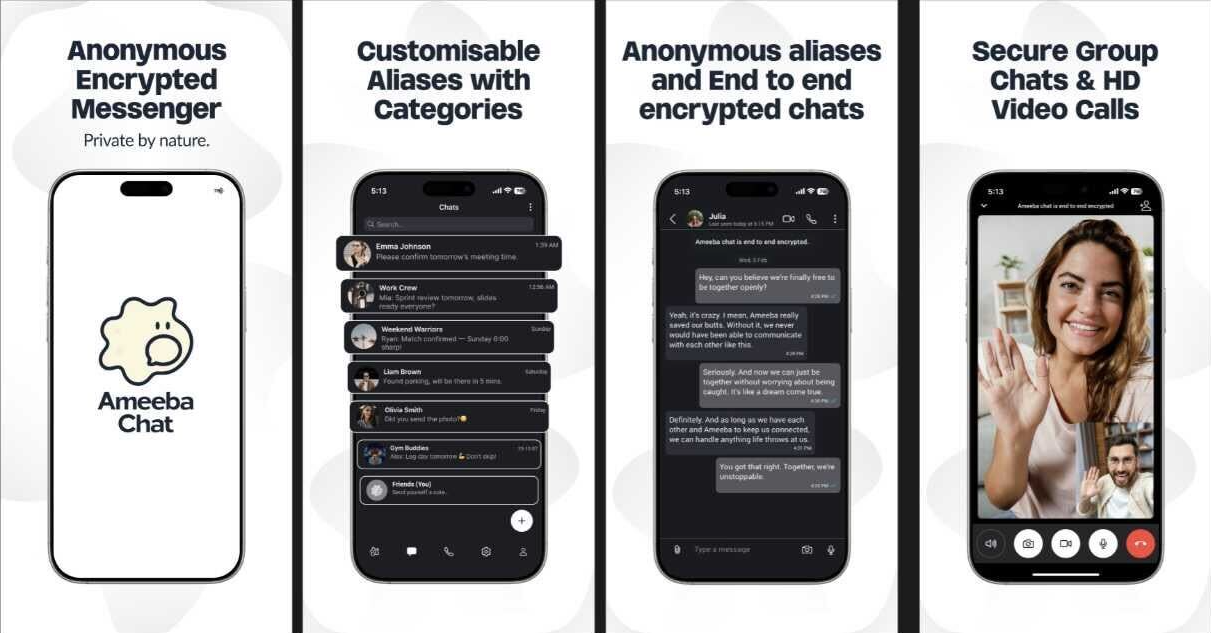
Ameeba Chat gives you a way out.
- • No phone number
- • No email
- • No personal info
- • Anonymous aliases
- • End-to-end encrypted
Chat without a trace.
Product | Affected Versions
Sage DPW | 2024_12_004 and earlier
How the Exploit Works
The vulnerability resides in the access control of Sage DPW’s built-in Database Monitor. An attacker could craft a specific network request that bypasses the existing access control mechanisms, gaining unauthorized access to the system. This could lead to a system compromise or potentially data leakage.
Conceptual Example Code
An example of how the vulnerability might be exploited could look like this:
GET /dbmonitor HTTP/1.1
Host: target.example.com
User-Agent: Mozilla/5.0 (Windows NT 10.0; Win64; x64) AppleWebKit/537.36 (KHTML, like Gecko) Chrome/58.0.3029.110 Safari/537
Accept: */*
Connection: close
In this example, a simple HTTP GET request might bypass the insufficient access controls, allowing an attacker to access sensitive data or system resources.
Mitigation
Organizations running affected versions are advised to apply the vendor-supplied patch for Sage DPW 2025_06_000, which has been confirmed to fix this vulnerability. In the absence of immediate patching capability, using a Web Application Firewall (WAF) or Intrusion Detection System (IDS) can serve as a temporary mitigation measure. Organizations should also review their access control policies and procedures to ensure they are robust and capable of preventing unauthorized access.
