
Overview
This report analyzes the vulnerability CVE-2025-51503, a severe Stored Cross-Site Scripting (XSS) flaw in Microweber CMS 2.0. This vulnerability allows attackers to inject malicious scripts into user profile fields, leading to arbitrary JavaScript execution in admin browsers. It poses a significant security risk to any organization using Microweber CMS 2.0 for their content management system.
Vulnerability Summary
CVE ID: CVE-2025-51503
Severity: High – CVSS 7.6
Attack Vector: Stored Cross-Site Scripting (XSS)
Privileges Required: None
User Interaction: Required
Impact: Potential system compromise or data leakage
Affected Products
 Escape the Surveillance Era
Most apps won’t tell you the truth.
They’re part of the problem.
Phone numbers. Emails. Profiles. Logs.
It’s all fuel for surveillance.
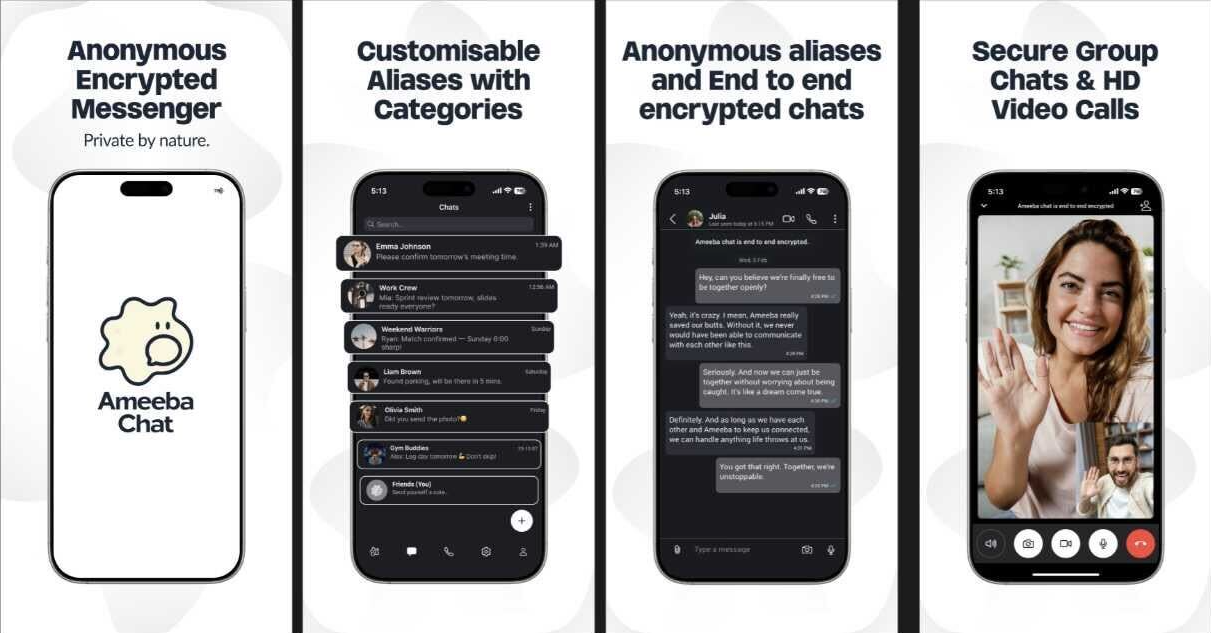
Ameeba Chat gives you a way out.
- • No phone number
- • No email
- • No personal info
- • Anonymous aliases
- • End-to-end encrypted
Chat without a trace.
Product | Affected Versions
Microweber CMS | 2.0
How the Exploit Works
The vulnerability occurs because Microweber CMS 2.0 does not adequately sanitize user profile inputs. This allows an attacker to inject malicious scripts into these fields. When an admin user views this profile, the injected JavaScript is executed in the admin’s browser context. This could potentially lead to administrative account compromise, resulting in unauthorized access to the system or exposure of sensitive data.
Conceptual Example Code
Below is a conceptual example of how the vulnerability might be exploited. An attacker may send a malicious payload like this through the user profile fields:
POST /profile/update HTTP/1.1
Host: target.example.com
Content-Type: application/json
{ "username": "test_user", "profile_field": "<script>malicious_script_here</script>" }
In this example, “malicious_script_here” would be replaced with the actual malicious JavaScript that the attacker wishes to execute in the admin’s browser.
Mitigation Guidance
Users are advised to update to the latest version of Microweber CMS or apply the vendor patch to fix this vulnerability. As temporary mitigation, users can also use a Web Application Firewall (WAF) or an Intrusion Detection System (IDS) to detect and prevent the execution of malicious scripts.
