
Overview
A significant vulnerability, CVE-2025-50617, has been identified in Netis WF2880 v2.1.40207. This vulnerability can be potentially exploited by attackers to crash the system and mount a Denial of Service (DoS) attack. Given the prevalent use of Netis WF2880, this issue is of considerable concern and needs immediate attention.
Vulnerability Summary
CVE ID: CVE-2025-50617
Severity: High (7.5 CVSS)
Attack Vector: Network
Privileges Required: None
User Interaction: None
Impact: Potential system compromise or data leakage
Affected Products
 Escape the Surveillance Era
Most apps won’t tell you the truth.
They’re part of the problem.
Phone numbers. Emails. Profiles. Logs.
It’s all fuel for surveillance.
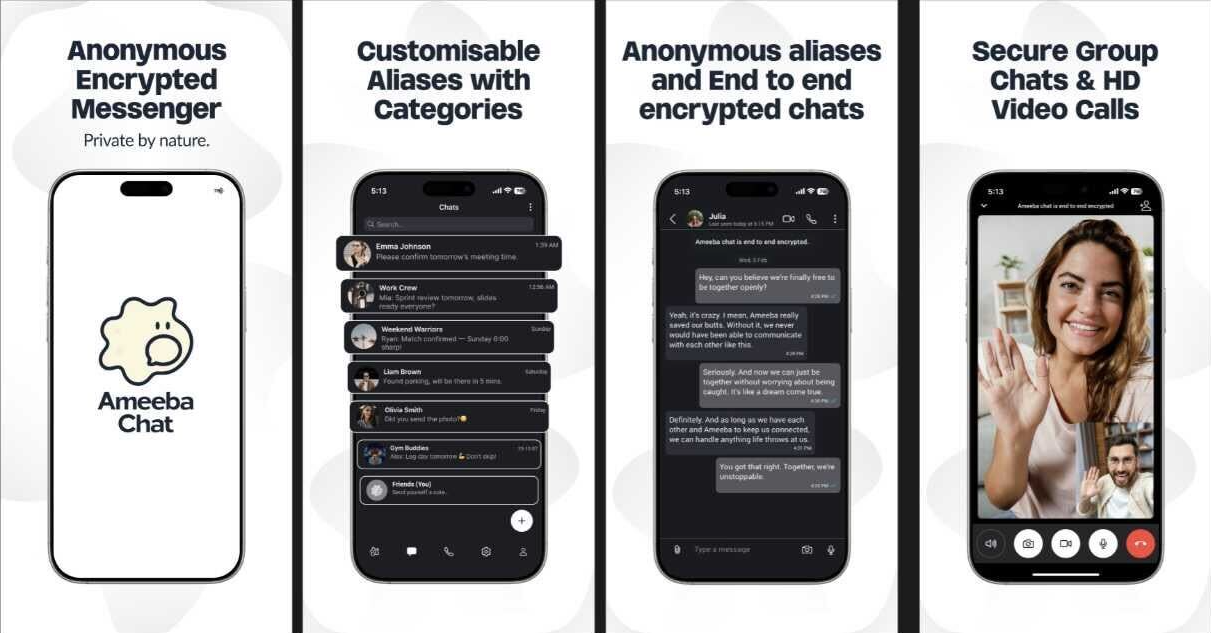
Ameeba Chat gives you a way out.
- • No phone number
- • No email
- • No personal info
- • Anonymous aliases
- • End-to-end encrypted
Chat without a trace.
Product | Affected Versions
Netis WF2880 | v2.1.40207
How the Exploit Works
The vulnerability lies in the FUN_0046ed68 function of the cgitest.cgi file in Netis WF2880. A buffer overflow can be triggered by controlling the ‘wps_set’ value in the payload, leading to a system crash. This crash can then be leveraged by attackers to execute a Denial of Service (DoS) attack, potentially leading to data leakage or full system compromise.
Conceptual Example Code
The following is a conceptual HTTP request that could be used to exploit this vulnerability:
POST /cgitest.cgi HTTP/1.1
Host: target.example.com
Content-Type: application/json
{ "wps_set": "OVERFLOW VALUE" }
In the above code, ‘OVERFLOW VALUE’ would be replaced with a carefully crafted string that causes the buffer overflow, leading to system crash and potential further compromise.
