
Overview
The vulnerability, identified as CVE-2025-50616, affects the Netis WF2880 v2.1.40207 and is associated with a critical buffer overflow issue. This vulnerability can lead to a Denial of Service (DoS) attack if exploited, causing the affected system to crash. The flaw resides in the cgitest.cgi file and can impact various entities using this particular version of Netis. The severity of this vulnerability highlights the importance of immediate mitigation measures.
Vulnerability Summary
CVE ID: CVE-2025-50616
Severity: High (7.5 CVSS Score)
Attack Vector: Network
Privileges Required: None
User Interaction: None
Impact: Potential system compromise or data leakage
Affected Products
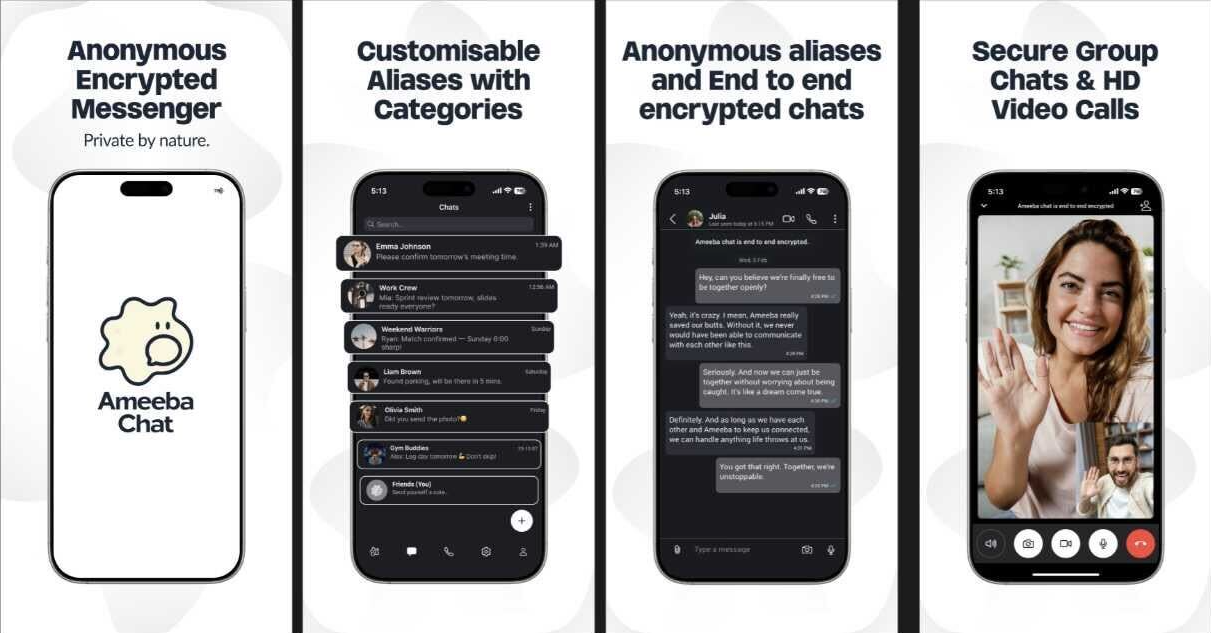
 Escape the Surveillance Era
Most apps won’t tell you the truth.
They’re part of the problem.
Phone numbers. Emails. Profiles. Logs.
It’s all fuel for surveillance.
Ameeba Chat gives you a way out.
- • No phone number
- • No email
- • No personal info
- • Anonymous aliases
- • End-to-end encrypted
Chat without a trace.
Product | Affected Versions
Netis WF2880 | v2.1.40207
How the Exploit Works
The exploit takes advantage of a buffer overflow vulnerability in the FUN_0046f984 function of the cgitest.cgi file. Attackers can control the value of wl_advanced_set in the payload to cause an overflow. This overflow can make the program crash and lead to a Denial of Service (DoS) attack.
Conceptual Example Code
Given the nature of the vulnerability, an exploit might look like this:
POST /cgitest.cgi HTTP/1.1
Host: target.example.com
Content-Type: application/json
{
"wl_advanced_set": "<Buffer overflow inducing value>"
}
In this example, the “Buffer overflow inducing value” would be a specially crafted string or sequence that would exceed the buffer capacity, causing the overflow and triggering the vulnerability.
