
Overview
The following report details a significant buffer overflow vulnerability discovered in Netis WF2880 v2.1.40207. This vulnerability, assigned the ID CVE-2025-50614, has the potential to impact any organization or individual utilizing this version of the Netis WF2880. Its exploitation can lead to a system crash, enabling a Denial of Service (DoS) attack and potentially compromising system security or leading to data leakage.
Vulnerability Summary
CVE ID: CVE-2025-50614
Severity: High (7.5 CVSS Score)
Attack Vector: Network
Privileges Required: None
User Interaction: No
Impact: Potential system compromise and data leakage
Affected Products
 Escape the Surveillance Era
Most apps won’t tell you the truth.
They’re part of the problem.
Phone numbers. Emails. Profiles. Logs.
It’s all fuel for surveillance.
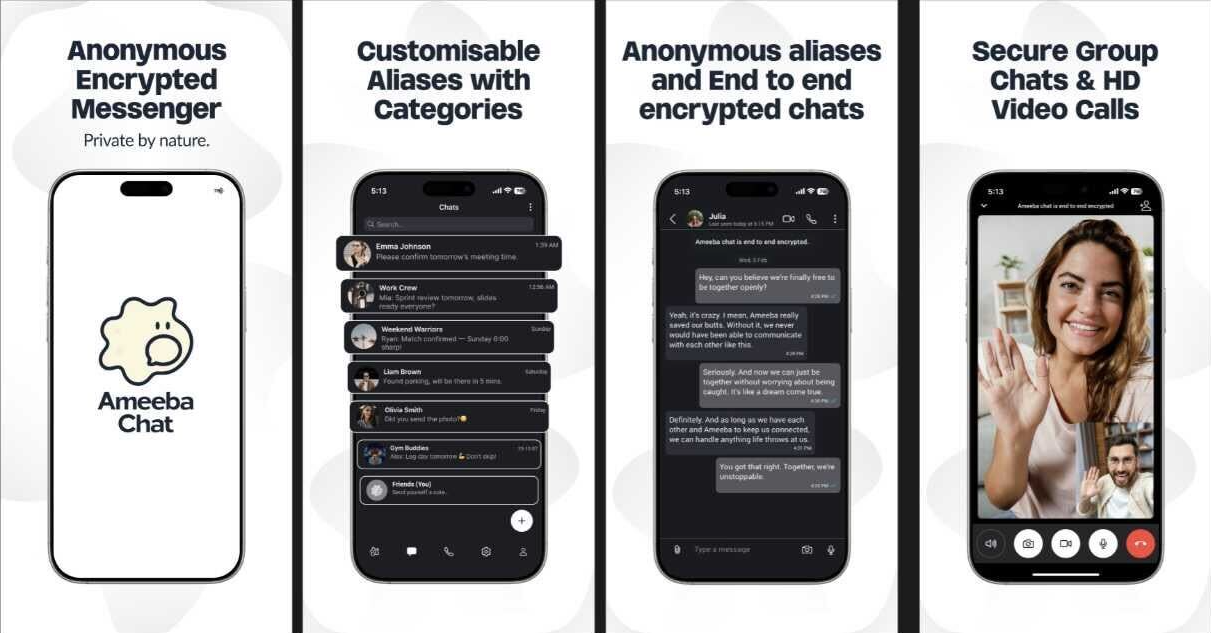
Ameeba Chat gives you a way out.
- • No phone number
- • No email
- • No personal info
- • Anonymous aliases
- • End-to-end encrypted
Chat without a trace.
Product | Affected Versions
Netis WF2880 | v2.1.40207
How the Exploit Works
The vulnerability resides in the FUN_0047151c function of the cgitest.cgi file. Attackers can exploit this vulnerability by sending a specially crafted payload that controls the value of the wds_set variable. This causes a buffer overflow, leading to a program crash. If maliciously executed, this could potentially enable a Denial of Service (DoS) attack, thereby compromising the system or leading to data leakage.
Conceptual Example Code
POST /cgitest.cgi HTTP/1.1
Host: target.example.com
Content-Type: application/x-www-form-urlencoded
wds_set=OVERFLOW_VALUE
In the above conceptual example, the “OVERFLOW_VALUE” represents a payload that would cause a buffer overflow in the system.
Mitigation Guidance
Users of the affected product are advised to apply the vendor patch as soon as it becomes available. Until then, the use of Web Application Firewall (WAF) or Intrusion Detection Systems (IDS) can provide temporary mitigation. Additionally, it’s recommended to regularly monitor system logs for any unusual activity that could indicate an attempt to exploit this vulnerability.
