
Overview
The vulnerability CVE-2025-50612 is a severe security flaw found in the Netis WF2880 v2.1.40207. It is a buffer overflow vulnerability located within the FUN_004743f8 function of the cgitest.cgi file. This vulnerability, if exploited, can lead to a Denial of Service (DoS) attack, potential system compromise, or even data leakage. The systems at risk are those utilizing the affected Netis device.
Vulnerability Summary
CVE ID: CVE-2025-50612
Severity: High (7.5 CVSS Score)
Attack Vector: Network
Privileges Required: None
User Interaction: None
Impact: Crash of the program, potential DoS attack, system compromise, and data leakage
Affected Products
 Escape the Surveillance Era
Most apps won’t tell you the truth.
They’re part of the problem.
Phone numbers. Emails. Profiles. Logs.
It’s all fuel for surveillance.
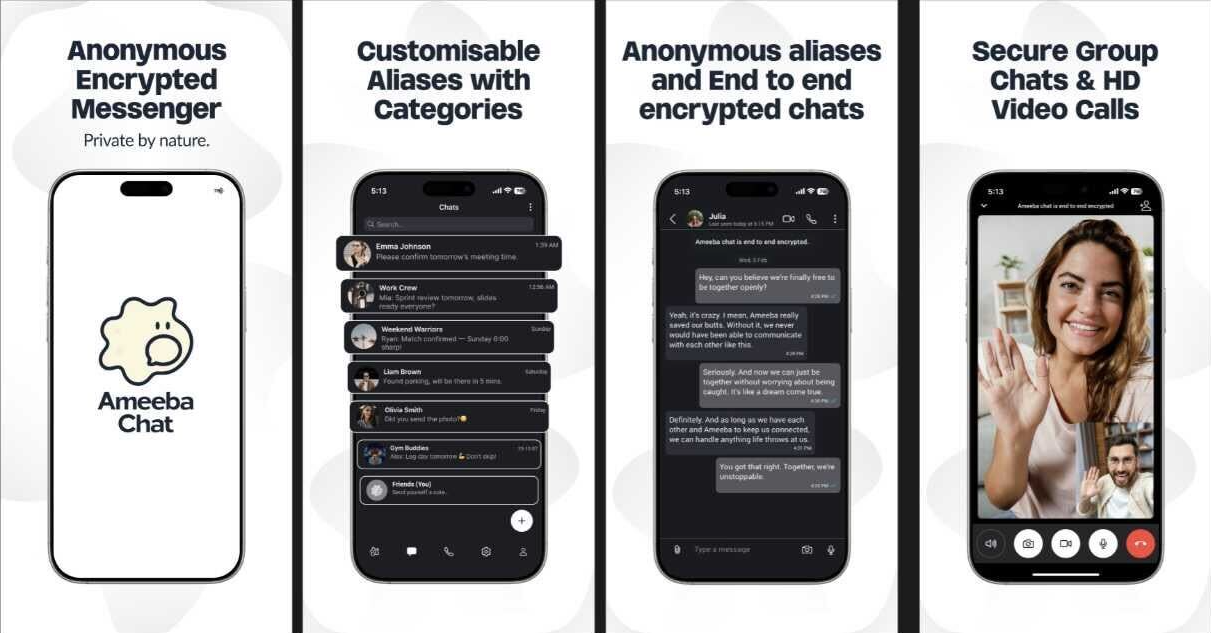
Ameeba Chat gives you a way out.
- • No phone number
- • No email
- • No personal info
- • Anonymous aliases
- • End-to-end encrypted
Chat without a trace.
Product | Affected Versions
Netis WF2880 | v2.1.40207
How the Exploit Works
An attacker can exploit this vulnerability by manipulating the value of ‘wl_sec_set’ in the payload of a network request. This action triggers a buffer overflow in the FUN_004743f8 function of the cgitest.cgi file. The overflow can cause the Netis WF2880 program to crash, potentially leading to a Denial of Service (DoS) attack or even a system compromise.
Conceptual Example Code
Below is a conceptual example of how this vulnerability may be exploited. This example represents a malicious HTTP POST request:
POST /cgitest.cgi HTTP/1.1
Host: target.example.com
Content-Type: application/x-www-form-urlencoded
wl_sec_set=AAAAA... [repeat A until buffer overflow]
In this example, ‘AAAAA…’ is the malicious payload that triggers the buffer overflow. The payload length would be crafted by the attacker to exceed the buffer’s capacity, causing the overflow. Please note that this is a simplified representation of the exploit, and actual exploit execution may require more complex steps.
