
Overview
The vulnerability CVE-2025-50611 primarily targets the Netis WF2880 v2.1.40207 users. This is a critical vulnerability as it can lead to a potential DoS attack, causing the system to crash and creating a pathway for other potential attacks. The issue lies in a buffer overflow vulnerability within the FUN_00473154 function of the cgitest.cgi file, which if exploited, can lead to system compromise or data leakage.
Vulnerability Summary
CVE ID: CVE-2025-50611
Severity: High – CVSS score of 7.5
Attack Vector: Network
Privileges Required: None
User Interaction: None
Impact: Potential system compromise or data leakage
Affected Products
 Escape the Surveillance Era
Most apps won’t tell you the truth.
They’re part of the problem.
Phone numbers. Emails. Profiles. Logs.
It’s all fuel for surveillance.
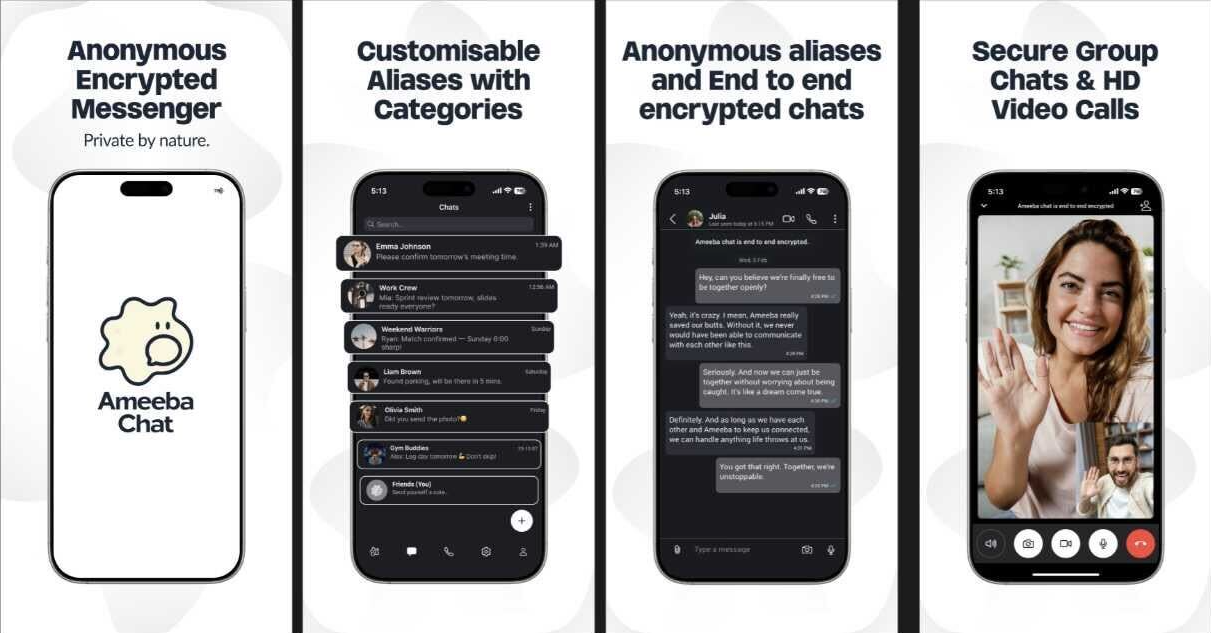
Ameeba Chat gives you a way out.
- • No phone number
- • No email
- • No personal info
- • Anonymous aliases
- • End-to-end encrypted
Chat without a trace.
Product | Affected Versions
Netis WF2880 | v2.1.40207
How the Exploit Works
The vulnerability is a type of buffer overflow exploit that occurs in the FUN_00473154 function of the cgitest.cgi file. Attackers can trigger this vulnerability by manipulating the values of wl_sec_set_5g and wl_sec_rp_set_5g in the payload. This overflows the buffer, causing the program to crash and possibly leading to a Denial of Service (DoS) attack. In some instances, it may also allow the attacker to execute arbitrary code or access sensitive information.
Conceptual Example Code
Given the nature of the vulnerability, an attacker might exploit it through a malicious HTTP POST request like this:
POST /cgitest.cgi HTTP/1.1
Host: target.example.com
Content-Type: application/x-www-form-urlencoded
wl_sec_set_5g=AAAAAAAAAAAAAAAAAAAAAAAAAAAAAAAAAAAAAAAAAAAAAAAAAAAAAAAAAAAAAAA...[long string]...
&wl_sec_rp_set_5g=BBBBBBBBBBBBBBBBBBBBBBBBBBBBBBBBBBBBBBBBBBBBBBBBBBBBBBBBBBB...[long string]...
In this example, the long string of “A”s and “B”s is designed to overflow the buffer, triggering the vulnerability and causing the system to crash.
