
Overview
The vulnerability CVE-2025-49630 affects Apache HTTP Server versions 2.4.26 through to 2.4.63 in specific proxy configurations. This vulnerability may be employed by untrusted clients to trigger an assertion in mod_proxy_http2, leading to a potential Denial of Service (DoS) attack. This is a critical issue as it can potentially compromise systems and lead to data leaks.
Vulnerability Summary
CVE ID: CVE-2025-49630
Severity: High (7.5 CVSS Score)
Attack Vector: Network
Privileges Required: None
User Interaction: None
Impact: Denial of Service attack, potential system compromise, or data leakage
Affected Products
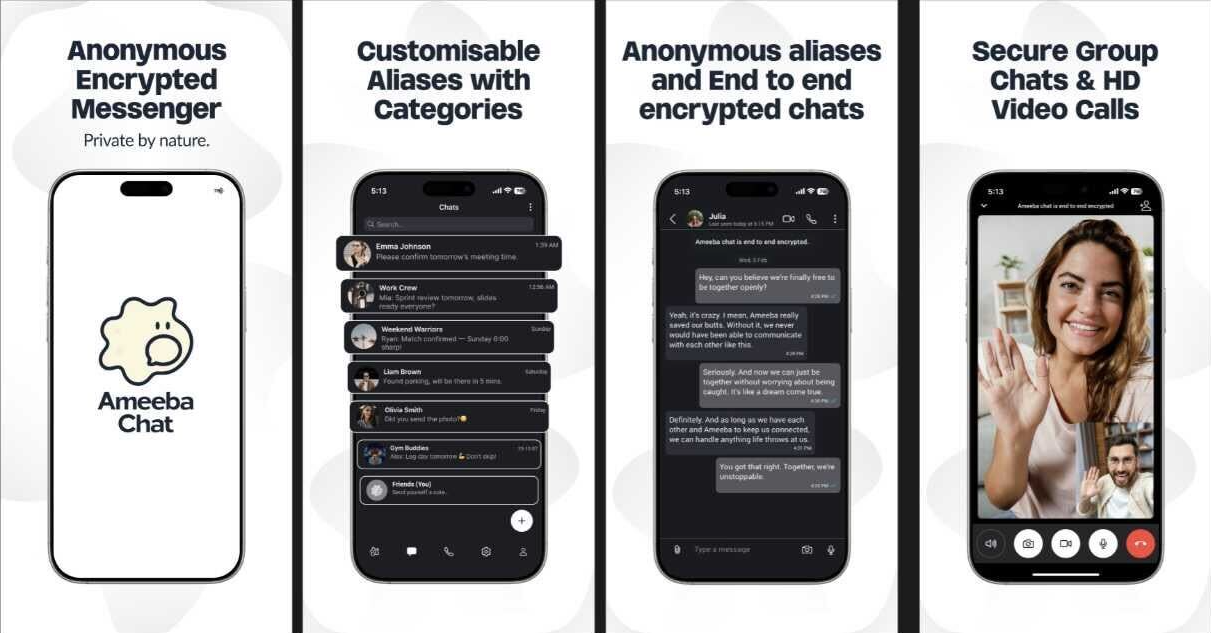
 Escape the Surveillance Era
Most apps won’t tell you the truth.
They’re part of the problem.
Phone numbers. Emails. Profiles. Logs.
It’s all fuel for surveillance.
Ameeba Chat gives you a way out.
- • No phone number
- • No email
- • No personal info
- • Anonymous aliases
- • End-to-end encrypted
Chat without a trace.
Product | Affected Versions
Apache HTTP Server | 2.4.26 – 2.4.63
How the Exploit Works
The exploit works by taking advantage of specific proxy configurations in Apache HTTP Servers. When a reverse proxy is configured for an HTTP/2 backend, with ProxyPreserveHost set to “on”, untrusted clients can trigger an assertion in mod_proxy_http2. This leads to a Denial of Service (DoS) attack, potentially compromising the system and leading to data leaks.
Conceptual Example Code
A conceptual example of how the vulnerability might be exploited is by sending a malicious HTTP/2 request to the server. Below is a conceptual example of such a request:
POST /vulnerable/endpoint HTTP/2.0
Host: target.example.com
Content-Type: application/json
{ "malicious_payload": "trigger assertion in mod_proxy_http2" }
This is a conceptual example only and does not represent an actual exploit. It is used to illustrate the type of request that could potentially exploit this vulnerability.
Mitigation
The recommended mitigation for this vulnerability is to apply the vendor-supplied patch. If the patch cannot be applied immediately, it is recommended to use a Web Application Firewall (WAF) or Intrusion Detection System (IDS) as a temporary mitigation. These systems can filter out malicious traffic and protect the server from being exploited.
