
Overview
The CVE-2025-49554 vulnerability is a significant security flaw found in multiple versions of Adobe Commerce. This flaw, characterized by improper input validation, could potentially lead to a system-wide denial-of-service (DoS), rendering the application unresponsive or causing it to crash. This vulnerability poses a serious threat as it does not necessitate user interaction for exploitation, thereby increasing its potential for misuse.
Vulnerability Summary
CVE ID: CVE-2025-49554
Severity: High (CVSS: 7.5)
Attack Vector: Network
Privileges Required: None
User Interaction: None
Impact: Potential system compromise and data leakage due to application denial-of-service.
Affected Products
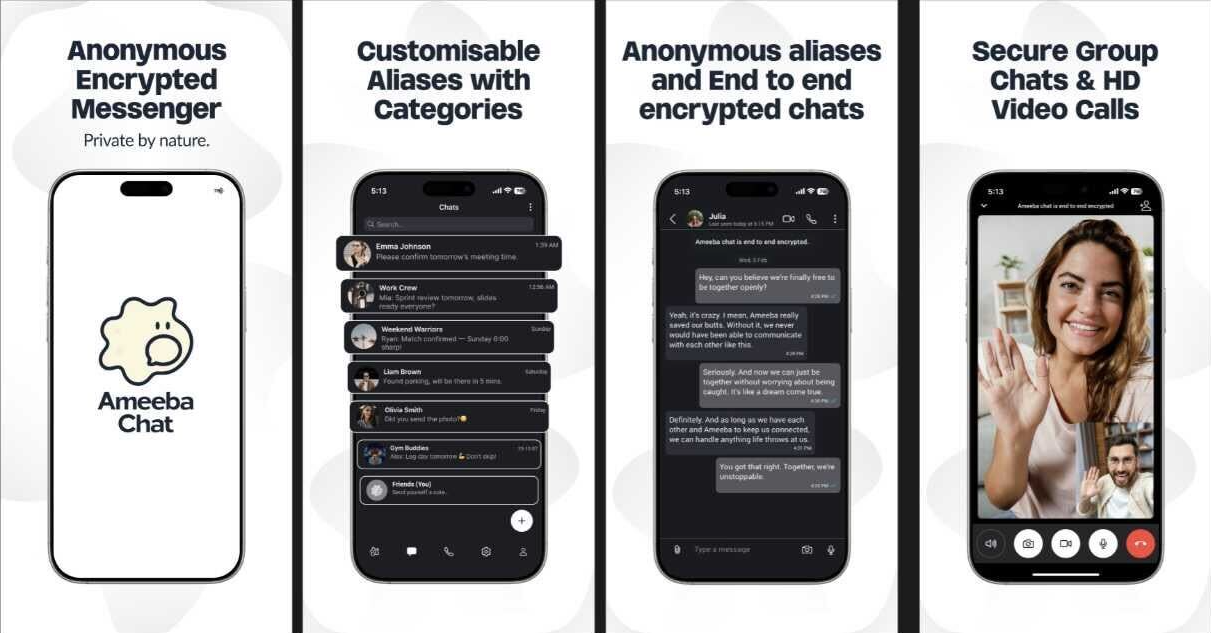
 Escape the Surveillance Era
Most apps won’t tell you the truth.
They’re part of the problem.
Phone numbers. Emails. Profiles. Logs.
It’s all fuel for surveillance.
Ameeba Chat gives you a way out.
- • No phone number
- • No email
- • No personal info
- • Anonymous aliases
- • End-to-end encrypted
Chat without a trace.
Product | Affected Versions
Adobe Commerce | 2.4.9-alpha1
Adobe Commerce | 2.4.8-p1
Adobe Commerce | 2.4.7-p6
Adobe Commerce | 2.4.6-p11
Adobe Commerce | 2.4.5-p13
Adobe Commerce | 2.4.4-p14 and earlier versions
How the Exploit Works
The vulnerability resides in the input validation mechanism of Adobe Commerce. An attacker can exploit this by sending specially crafted malicious input to the application. This improperly validated input could lead to a denial-of-service (DoS) condition, causing the application to crash or become unresponsive.
Conceptual Example Code
Below is a conceptual example of how the vulnerability could be exploited. This code represents a HTTP request with malicious payload.
POST /vulnerable/endpoint HTTP/1.1
Host: target.example.com
Content-Type: application/json
{ "malicious_payload": "specially_crafted_input" }
Please note that the above is a conceptual example and the actual exploit could vary based on the attacker’s approach and the specific system configuration. It’s of utmost importance to apply the vendor-released patch immediately or use a WAF/IDS as temporary mitigation to protect against potential exploitation.
