
Overview
This report discusses CVE-2025-4948, a vulnerability found in the libsoup HTTP library, which is widely used by GNOME and various other applications for web communications. The vulnerability has been found to cause the application or server to crash unexpectedly, leading to a potential denial-of-service (DoS) risk. The severity of this flaw warrants immediate attention and swift mitigation.
Vulnerability Summary
CVE ID: CVE-2025-4948
Severity: High (7.5 CVSS Score)
Attack Vector: Network
Privileges Required: None
User Interaction: None
Impact: Application crash, Denial-of-Service, Potential system compromise or data leakage
Affected Products
 Escape the Surveillance Era
Most apps won’t tell you the truth.
They’re part of the problem.
Phone numbers. Emails. Profiles. Logs.
It’s all fuel for surveillance.
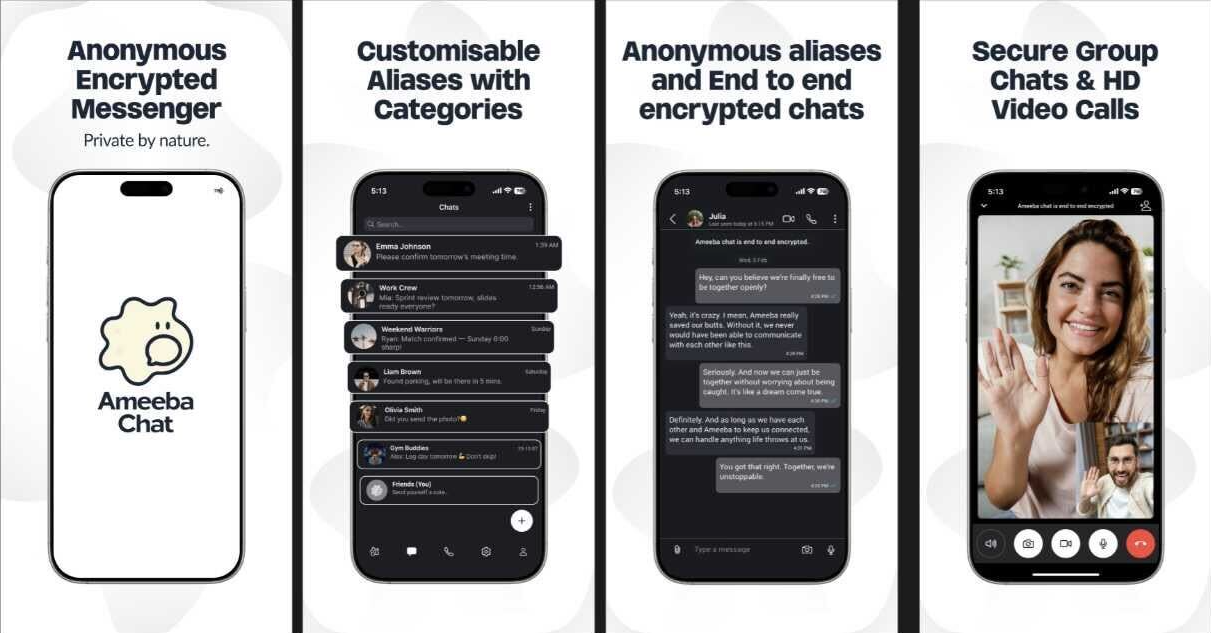
Ameeba Chat gives you a way out.
- • No phone number
- • No email
- • No personal info
- • Anonymous aliases
- • End-to-end encrypted
Chat without a trace.
Product | Affected Versions
libsoup HTTP Library | All versions prior to patch
How the Exploit Works
The exploit takes advantage of a flaw in the soup_multipart_new_from_message() function of the libsoup HTTP library. An attacker sends a specially crafted multipart message which, due to improper validation in the library, leads to an incorrect internal calculation causing an integer underflow. This, in turn, prompts the program to access invalid memory and subsequently crash. Any application or server using the libsoup library is potentially at risk of an unexpected exit, creating a denial-of-service condition.
Conceptual Example Code
The conceptual example below demonstrates how an attacker might craft a multipart message to exploit this vulnerability.
POST /vulnerable/endpoint HTTP/1.1
Host: target.example.com
Content-Type: multipart/mixed; boundary=frontier
--frontier
Content-Type: text/plain
{ "malicious_payload": "..." }
--frontier--
Mitigation Guidance
To mitigate this vulnerability, it’s highly recommended to apply the vendor patch as soon as it becomes available. In the meantime, using Web Application Firewalls (WAF) or Intrusion Detection Systems (IDS) can provide temporary mitigation against potential exploits. The use of these systems can help prevent denial-of-service attacks and protect against unauthorized access or data leakage.
