
Overview
This report examines the CVE-2025-49140 vulnerability found within the Pion Interceptor framework, specifically within its RTP/RTCP communication software. Developers who use versions v0.1.36 through v0.1.38 of the Pion Interceptor are at risk. The vulnerability can be exploited to cause system panic or even data leakage, making it a serious threat that demands immediate attention.
Vulnerability Summary
CVE ID: CVE-2025-49140
Severity: High (7.5 CVSS Score)
Attack Vector: Network
Privileges Required: None
User Interaction: None
Impact: System compromise, data leakage
Affected Products
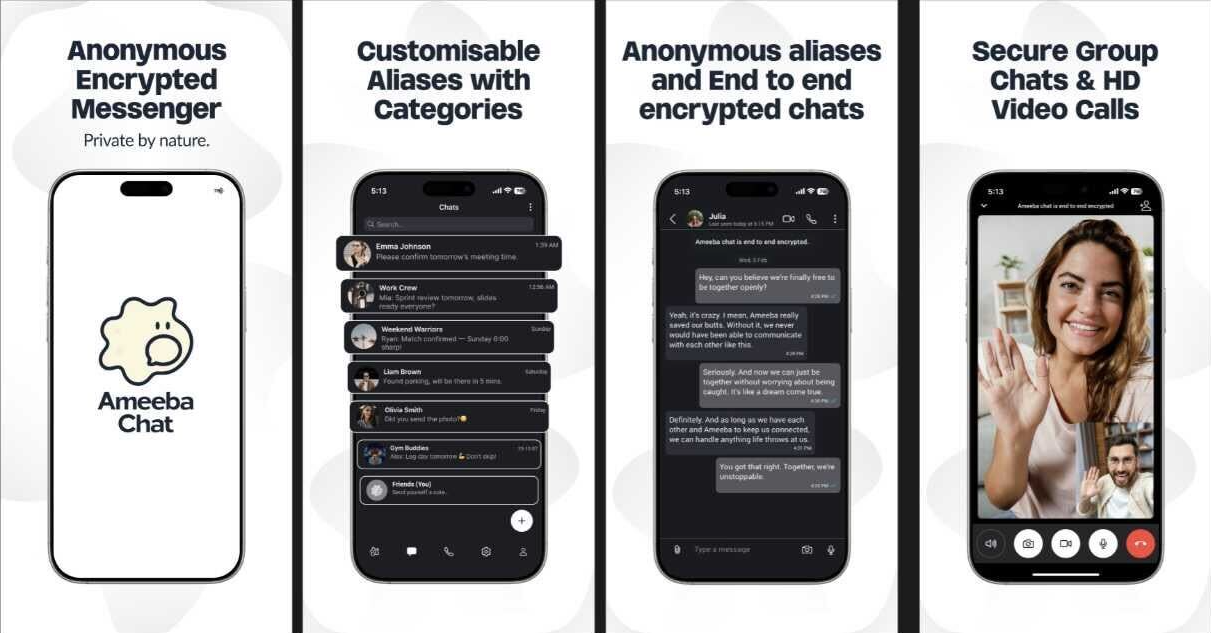
 Escape the Surveillance Era
Most apps won’t tell you the truth.
They’re part of the problem.
Phone numbers. Emails. Profiles. Logs.
It’s all fuel for surveillance.
Ameeba Chat gives you a way out.
- • No phone number
- • No email
- • No personal info
- • Anonymous aliases
- • End-to-end encrypted
Chat without a trace.
Product | Affected Versions
Pion Interceptor | v0.1.36 to v0.1.38
How the Exploit Works
The vulnerability lies within the RTP packet factory of the Pion Interceptor framework. Malicious actors can exploit this vulnerability by sending specially crafted RTP packets that trigger a panic within the Pion-based SFU system. This can lead to system compromise or data leakage. The problem arises when the P-bit is set but the padLen is zero or larger than the remaining payload, causing the system to panic.
Conceptual Example Code
In this conceptual example, the malicious actor sends a specially crafted RTP packet to the vulnerable system:
POST /vulnerable/RTP-packet-factory HTTP/1.1
Host: target.example.com
Content-Type: application/rtp
{ "P-bit": "set", "padLen": "larger than payload" }
To mitigate this vulnerability, users should upgrade to v0.1.39 or later versions of Pion Interceptor, which validates `padLen > 0 && padLen <= payloadLength` and returns an error on overflow, avoiding panic. In the event that upgrading is not possible, users can apply the patch from the pull request manually or drop packets whose P-bit is set but whose padLen is zero or larger than the remaining payload. As a temporary mitigation, users can also use a Web Application Firewall (WAF) or Intrusion Detection System (IDS).
