
Overview
The cybersecurity landscape has been hit by a new vulnerability, CVE-2025-49034, a significant SQL Injection issue in the FunnelKit Funnel Builder. This vulnerability, if exploited, can lead to system compromise and potential data leakage. It affects the Funnel Builder product by FunnelKit, and any organization or individual using versions up to 3.10.2. The severity of this vulnerability underscores the need for immediate remedial action.
Vulnerability Summary
CVE ID: CVE-2025-49034
Severity: High (CVSS: 7.6)
Attack Vector: Network
Privileges Required: Low
User Interaction: Required
Impact: Potential System Compromise and Data Leakage
Affected Products
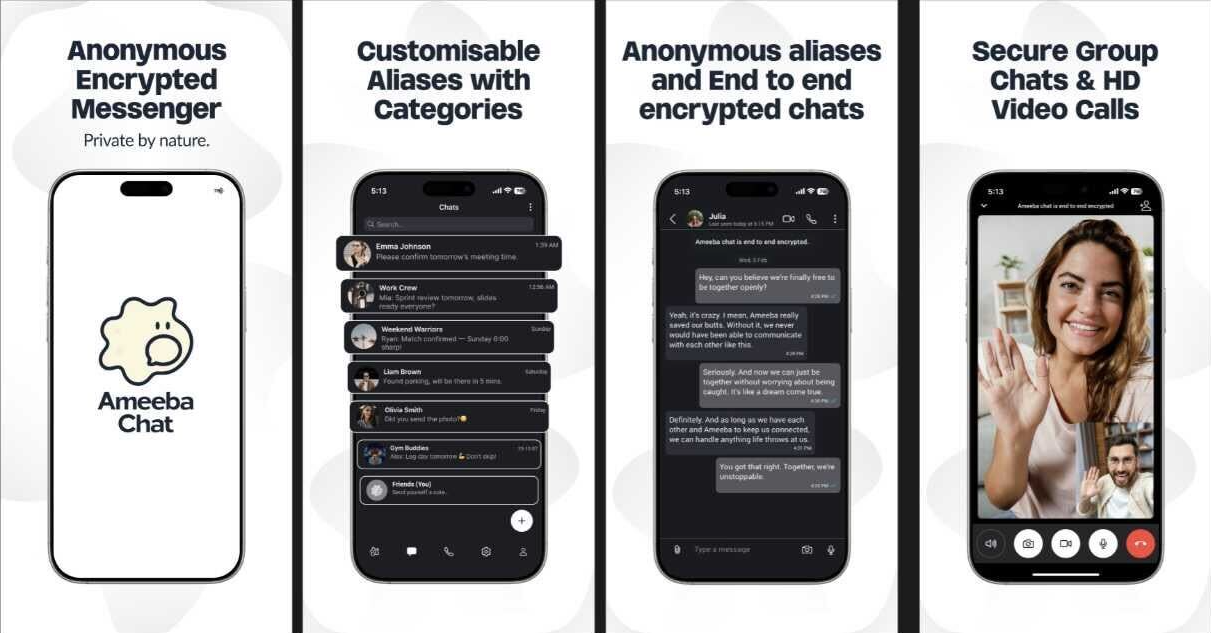
 Escape the Surveillance Era
Most apps won’t tell you the truth.
They’re part of the problem.
Phone numbers. Emails. Profiles. Logs.
It’s all fuel for surveillance.
Ameeba Chat gives you a way out.
- • No phone number
- • No email
- • No personal info
- • Anonymous aliases
- • End-to-end encrypted
Chat without a trace.
Product | Affected Versions
FunnelKit Funnel Builder | Up to 3.10.2
How the Exploit Works
The vulnerability allows an attacker to inject malicious SQL queries into the FunnelKit Funnel Builder. The application fails to properly sanitize user-supplied inputs, allowing for the execution of arbitrary SQL commands. An attacker can leverage this to manipulate the application’s database, potentially leading to unauthorized access, data modification, or even system compromise.
Conceptual Example Code
This is a conceptual example demonstrating how an attacker might exploit the vulnerability. The attacker injects malicious SQL code through the vulnerable application:
POST /funnelkit/updateProfile HTTP/1.1
Host: target.example.com
Content-Type: application/json
{ "username": "admin'; DROP TABLE users;--" }
In this example, the attacker attempts to delete the “users” table from the database. If successful, this could lead to significant data loss and disruption of the application’s functionality.
For mitigation, users are advised to apply the latest vendor patches immediately. If this is not possible, employing a Web Application Firewall (WAF) or Intrusion Detection System (IDS) can serve as a temporary mitigation measure.
