
Overview
A significant vulnerability has been identified in Advantech’s iView software, widely used in the industrial automation sector. This vulnerability, assigned as CVE-2025-48891, allows for SQL injection, potentially exposing sensitive information and causing systems to malfunction. Given the potential for system compromise or data leakage, understanding and addressing this vulnerability is essential for all users of Advantech iView.
Vulnerability Summary
CVE ID: CVE-2025-48891
Severity: High (7.6 CVSS score)
Attack Vector: Network
Privileges Required: User level
User Interaction: Required
Impact: Potential system compromise or data leakage
Affected Products
 Escape the Surveillance Era
Most apps won’t tell you the truth.
They’re part of the problem.
Phone numbers. Emails. Profiles. Logs.
It’s all fuel for surveillance.
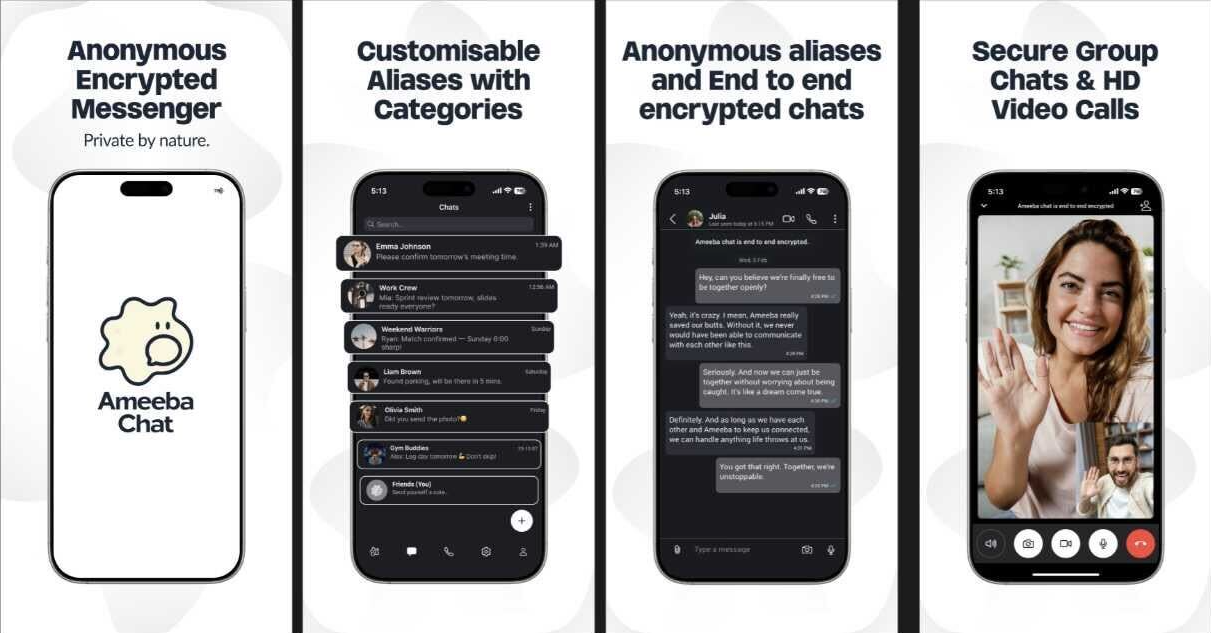
Ameeba Chat gives you a way out.
- • No phone number
- • No email
- • No personal info
- • Anonymous aliases
- • End-to-end encrypted
Chat without a trace.
Product | Affected Versions
Advantech iView | All versions prior to patch
How the Exploit Works
The vulnerability resides in the CUtils.checkSQLInjection() function in the Advantech iView software, which fails to properly sanitize user-supplied input. An attacker can exploit this weakness by injecting malicious SQL commands into the system via this function, potentially leading to unauthorized access, data disclosure, or triggering a denial-of-service condition.
Conceptual Example Code
Here is a
conceptual
example of how the vulnerability might be exploited. This could be a sample HTTP request with an SQL injection payload.
POST /iview/checkSQLInjection HTTP/1.1
Host: target.example.com
Content-Type: application/x-www-form-urlencoded
username=' OR '1'='1';--&password=
In the above example, the SQL injection payload `’ OR ‘1’=’1′;–` forces the SQL query to always return `true`, potentially bypassing authentication mechanisms and granting unauthorized access.
Recommended Mitigations
To address this vulnerability, users are advised to apply the vendor-provided patch as soon as possible. In the meantime, users can use a Web Application Firewall (WAF) or Intrusion Detection System (IDS) as temporary mitigation. Regular updates and strong security practices can also help in preventing these types of vulnerabilities.
