
Overview
The vulnerability, CVE-2025-48814, is a significant security flaw found in the Windows Remote Desktop Licensing Service. This vulnerability allows unauthorized attackers to bypass a crucial security feature over a network, potentially leading to serious system compromises or data leakage. It primarily affects organizations and individuals using the affected versions of Windows, emphasizing the need for immediate action to mitigate the risk.
Vulnerability Summary
CVE ID: CVE-2025-48814
Severity: High (7.5 on the CVSS scale)
Attack Vector: Network
Privileges Required: None
User Interaction: None
Impact: Potential system compromise and data leakage
Affected Products
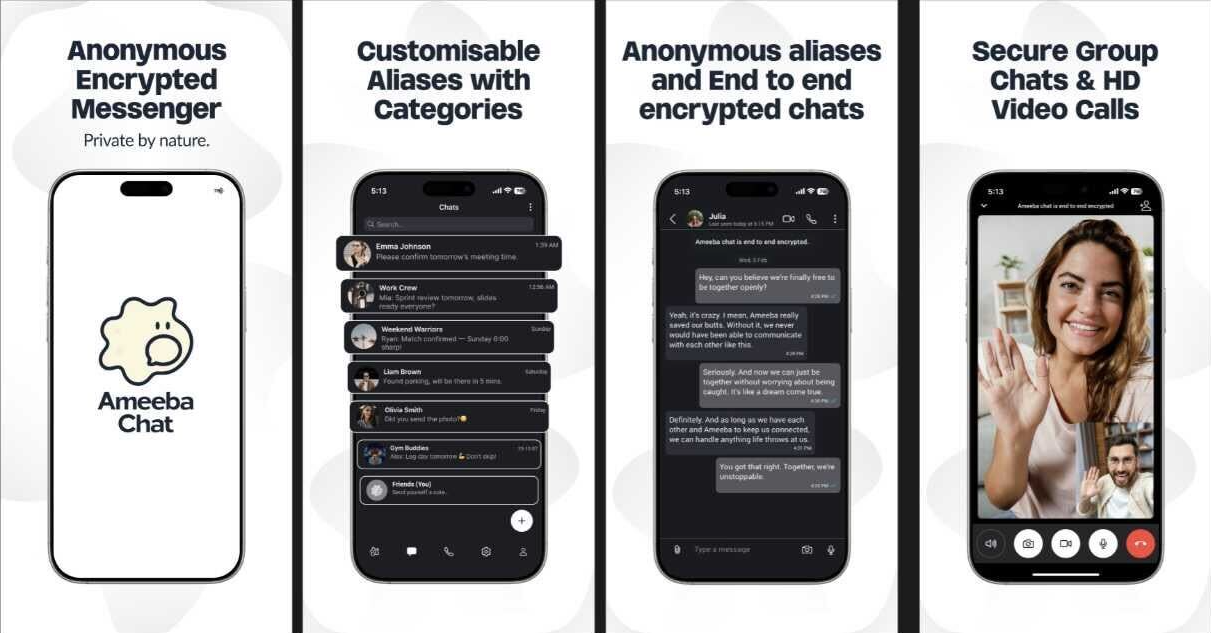
 Escape the Surveillance Era
Most apps won’t tell you the truth.
They’re part of the problem.
Phone numbers. Emails. Profiles. Logs.
It’s all fuel for surveillance.
Ameeba Chat gives you a way out.
- • No phone number
- • No email
- • No personal info
- • Anonymous aliases
- • End-to-end encrypted
Chat without a trace.
Product | Affected Versions
Windows Remote Desktop Licensing Service | All versions prior to patch
How the Exploit Works
The vulnerability stems from a missing authentication mechanism for a critical function in the Windows Remote Desktop Licensing Service. An attacker can exploit this by sending specially crafted network packets to the vulnerable service. This would allow the attacker to bypass the security feature and gain unauthorized access to the system, potentially leading to system compromises and data leakage.
Conceptual Example Code
Here’s a conceptual representation of how an attacker might exploit this vulnerability:
POST /RDL/vulnerableFunction HTTP/1.1
Host: target.example.com
Content-Type: application/json
{ "exploit_code": "bypass_authentication_payload" }
In this example, an attacker sends a POST request to the vulnerable function on the target system. The “exploit_code” is a placeholder for the actual malicious payload that is designed to bypass the missing authentication mechanism.
Please note that this is a simplified representation. Actual exploitation would likely involve complex payloads and specific network conditions.
