
Overview
The cybersecurity vulnerability CVE-2025-48299 pertains to the YayCommerce YayExtra platform, which suffers from Improper Neutralization of Special Elements used in an SQL Command (‘SQL Injection’). This issue may lead to unauthorized system access or potential data leakage, affecting all versions up to and including 1.5.5. Given the widespread use of YayCommerce YayExtra, addressing this vulnerability is of utmost importance to maintain system integrity and data security.
Vulnerability Summary
CVE ID: CVE-2025-48299
Severity: High, CVSS score 7.6
Attack Vector: Network
Privileges Required: None
User Interaction: None
Impact: Unauthorized system access, potential data leakage
Affected Products
 Escape the Surveillance Era
Most apps won’t tell you the truth.
They’re part of the problem.
Phone numbers. Emails. Profiles. Logs.
It’s all fuel for surveillance.
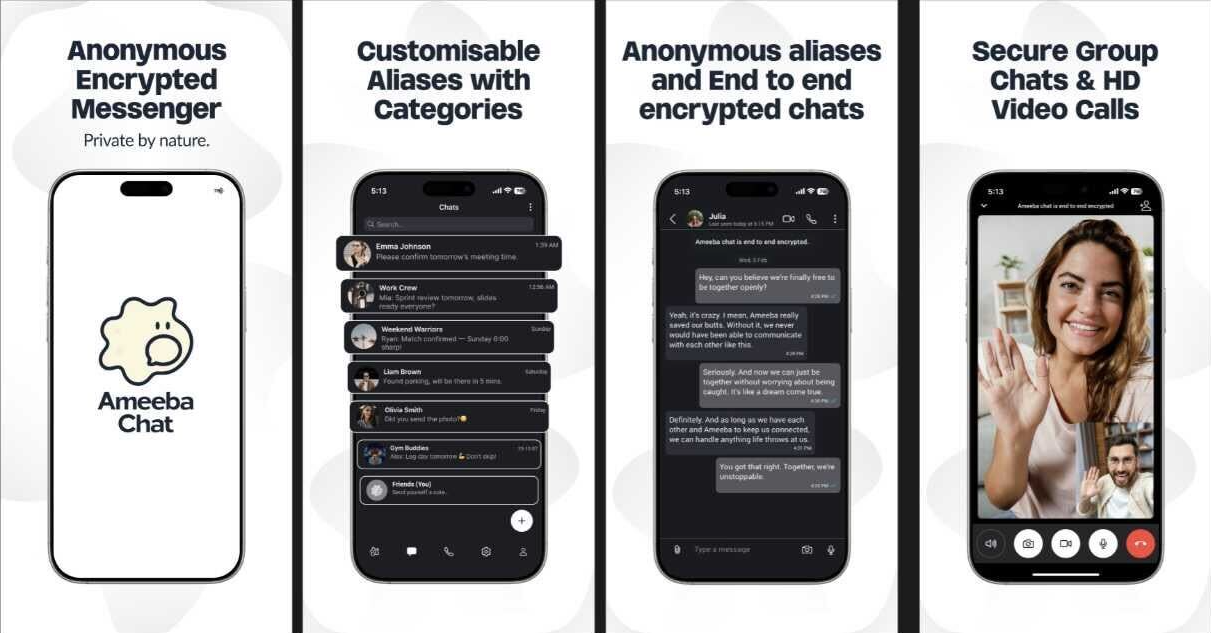
Ameeba Chat gives you a way out.
- • No phone number
- • No email
- • No personal info
- • Anonymous aliases
- • End-to-end encrypted
Chat without a trace.
Product | Affected Versions
YayCommerce YayExtra | up to and including 1.5.5
How the Exploit Works
This vulnerability arises from the application’s failure to properly neutralize special elements used in an SQL command. An attacker can exploit this by injecting malicious SQL code into the application, which the application then executes unknowingly. This exploit can lead to unauthorized access to the system or potential data leakage, as the malicious actor can manipulate the database to their advantage.
Conceptual Example Code
The following is a conceptual example of how the vulnerability might be exploited using an HTTP request:
POST /yayExtra/endpoint HTTP/1.1
Host: target.example.com
Content-Type: application/x-www-form-urlencoded
userid=1; DROP TABLE users;
In this example, the attacker injects the SQL command `DROP TABLE users;` which can potentially delete the users’ table from the database if executed. The actual malicious payload would depend on the attacker’s intent and the specific database structure.
Mitigation Guidance
To mitigate this vulnerability, it is recommended to apply the patch provided by the vendor. As a temporary measure, the use of a Web Application Firewall (WAF) or Intrusion Detection System (IDS) can help detect and prevent SQL injection attempts. Furthermore, it is crucial to sanitize user inputs within the application to neutralize any potentially harmful elements.
