
Overview
This report provides a detailed examination of the CVE-2025-47984 vulnerability, a protection mechanism failure in Windows GDI that allows an unauthorized attacker to disclose potentially sensitive information over a network. This vulnerability is of particular concern to enterprises and individual users running affected versions of Windows, as it may lead to a system compromise or data leakage.
Vulnerability Summary
CVE ID: CVE-2025-47984
Severity: High (CVSS: 7.5)
Attack Vector: Network
Privileges Required: None
User Interaction: None
Impact: Potential system compromise or data leakage
Affected Products
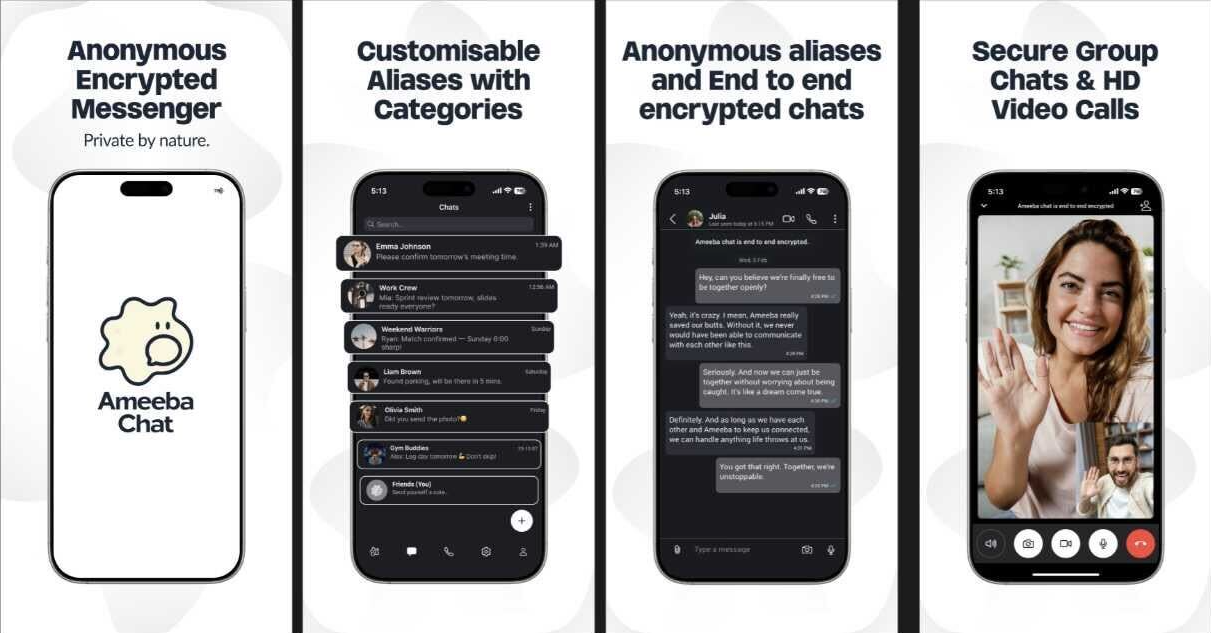
 Escape the Surveillance Era
Most apps won’t tell you the truth.
They’re part of the problem.
Phone numbers. Emails. Profiles. Logs.
It’s all fuel for surveillance.
Ameeba Chat gives you a way out.
- • No phone number
- • No email
- • No personal info
- • Anonymous aliases
- • End-to-end encrypted
Chat without a trace.
Product | Affected Versions
Windows | All versions using affected GDI
How the Exploit Works
The exploit takes advantage of a protection mechanism failure in the Windows GDI (Graphics Device Interface). This failure allows an unauthorized attacker to send specially crafted network packets to the targeted system. Upon receipt, the system processes these packets, unintentionally revealing sensitive information that can be used to further compromise the system or leak data.
Conceptual Example Code
Below is a conceptual example of how the vulnerability might be exploited. This example is based on a potential scenario and is provided for illustrative purposes only.
POST /windows/gdi/info_leak HTTP/1.1
Host: target.example.com
Content-Type: application/json
{ "exploit_packet": "specially_crafted_packet_data" }
This HTTP POST request sends a specially crafted packet to the vulnerable endpoint. If the exploit is successful, the server responds with sensitive information that could be used to further compromise the system or leak data.
Mitigation Guidance
To mitigate this vulnerability, it is recommended to apply the vendor patch as soon as it becomes available. Until the patch is applied, using a Web Application Firewall (WAF) or Intrusion Detection System (IDS) can serve as a temporary mitigation measure by detecting and blocking malicious traffic. Regularly updating and patching your systems can help prevent such vulnerabilities in the future.
