
Overview
A severe vulnerability, identified as CVE-2025-47908, affecting middleware systems has been identified. The flaw allows for the possibility of a Denial of Service (DoS) attack, potentially leading to system compromise and data leakage. This vulnerability is especially concerning due to its potential to impact a broad range of systems and the severity of its consequences.
Vulnerability Summary
CVE ID: CVE-2025-47908
Severity: High (7.5 CVSS Score)
Attack Vector: Network
Privileges Required: None
User Interaction: None
Impact: Denial of service, potential system compromise and data leakage
Affected Products
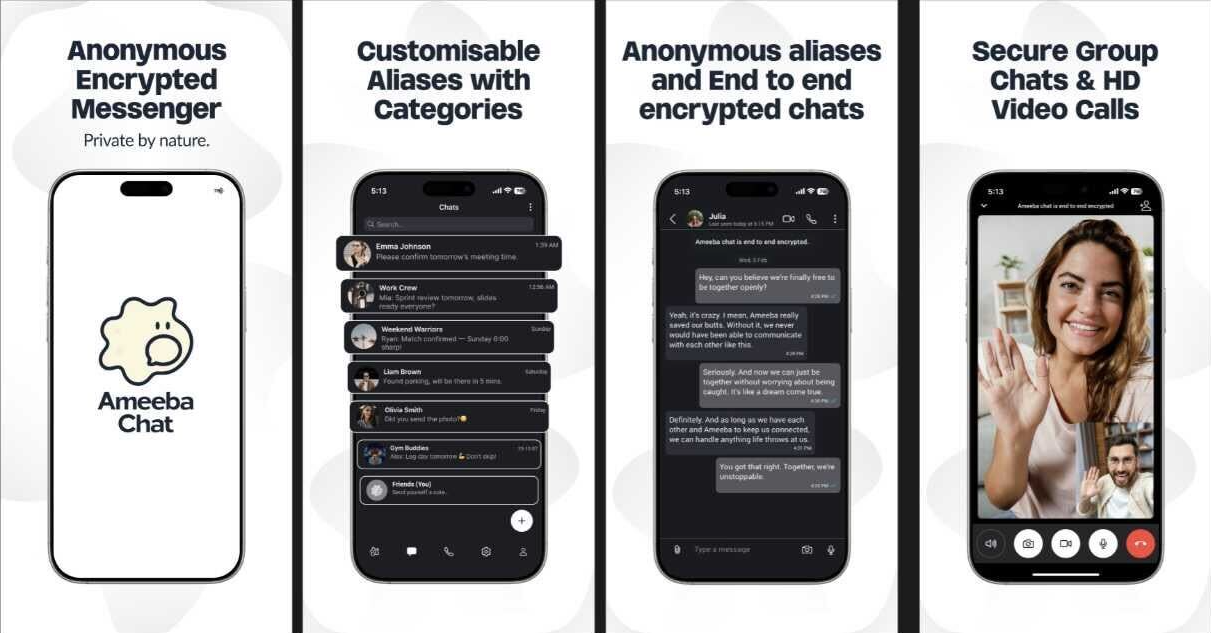
 Escape the Surveillance Era
Most apps won’t tell you the truth.
They’re part of the problem.
Phone numbers. Emails. Profiles. Logs.
It’s all fuel for surveillance.
Ameeba Chat gives you a way out.
- • No phone number
- • No email
- • No personal info
- • Anonymous aliases
- • End-to-end encrypted
Chat without a trace.
Product | Affected Versions
Middleware Product 1 | All prior to version X.Y.Z
Middleware Product 2 | All prior to version A.B.C
How the Exploit Works
The vulnerability arises due to excessive heap allocations caused by the middleware when processing malicious preflight requests. Such requests include an Access-Control-Request-Headers (ACRH) header with a value containing numerous commas. Attackers can exploit this behavior to generate an excessive load on the middleware or server in an attempt to cause a Denial of Service (DoS).
Conceptual Example Code
Below is a conceptual example of how the vulnerability might be exploited. This is a sample HTTP request with a maliciously crafted ACRH header.
OPTIONS / HTTP/1.1
Host: target.example.com
Access-Control-Request-Headers: value1,value2,value3,...,valueN
In this example, the Access-Control-Request-Headers (ACRH) value is stuffed with an excessive number of comma-separated values, causing the middleware to allocate excessive heap space, leading to a potential DoS condition.
Mitigation
The recommended mitigation measure is to apply vendor-supplied patches. If the patch is not available, using a Web Application Firewall (WAF) or Intrusion Detection System (IDS) can serve as a temporary mitigation, blocking malicious requests that attempt to exploit this vulnerability. Regular monitoring and prompt patch management are key to maintaining the robustness of the system.
