
Overview
The vulnerability, identified as CVE-2025-47537, is a significant security risk associated with PDF Invoices for WooCommerce + Drag and Drop Template Builder. It allows an attacker to manipulate SQL queries in the backend database through the application, an attack type commonly known as SQL Injection. The implications of this vulnerability are severe, with potential system compromise or data leakage.
Vulnerability Summary
CVE ID: CVE-2025-47537
Severity: High (7.6 CVSS Score)
Attack Vector: Network
Privileges Required: None
User Interaction: None
Impact: Unauthorized access to sensitive data, potential system compromise
Affected Products
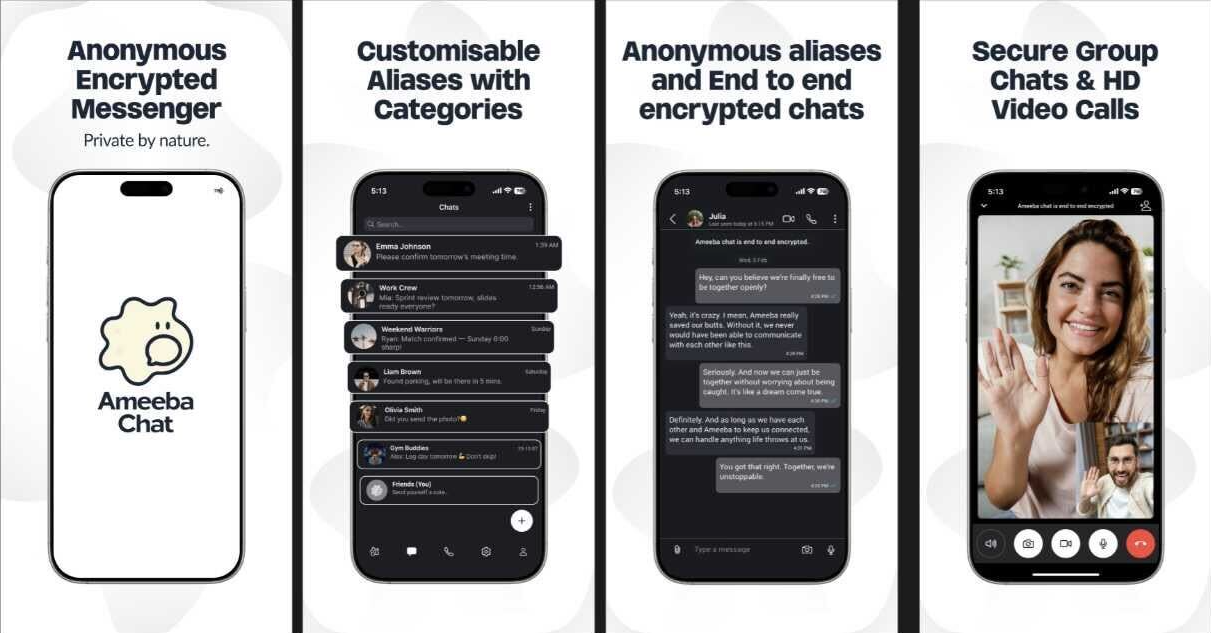
 Escape the Surveillance Era
Most apps won’t tell you the truth.
They’re part of the problem.
Phone numbers. Emails. Profiles. Logs.
It’s all fuel for surveillance.
Ameeba Chat gives you a way out.
- • No phone number
- • No email
- • No personal info
- • Anonymous aliases
- • End-to-end encrypted
Chat without a trace.
Product | Affected Versions
PDF Invoices for WooCommerce + Drag and Drop Template Builder | n/a – 5.3.8
How the Exploit Works
The vulnerability stems from the improper neutralization of special elements used in SQL commands by the affected software. As a result, an attacker can inject malicious SQL statements into the application, which are then executed by the backend database. This allows unauthorized access to sensitive data, potential data manipulation, and in some cases, control over the underlying server.
Conceptual Example Code
Here is a conceptual example of how this vulnerability might be exploited:
POST /add_product HTTP/1.1
Host: target.example.com
Content-Type: application/x-www-form-urlencoded
product_id=1; DROP TABLE users;--
In this example, an attacker sends a POST request with a malicious payload (`product_id=1; DROP TABLE users;–`). This payload includes an SQL statement designed to delete a table from the database (`DROP TABLE users`), demonstrating the potential destructive power of this vulnerability.
Recommended Mitigation
To mitigate this vulnerability, it is recommended to apply the vendor-supplied patch as soon as possible. If a patch is not immediately available or cannot be applied, using a Web Application Firewall (WAF) or Intrusion Detection System (IDS) can provide temporary protection by detecting and blocking SQL injection attacks.
