
Overview
CVE-2025-47324 is a significant vulnerability in the handling of the Parameter Information Block (PIB) file in powerline communication systems. This flaw could potentially allow attackers to gain unauthorized access to sensitive data or even compromise the system. The vulnerability underscores the importance of secure software design and implementation, particularly in systems that handle sensitive information.
Vulnerability Summary
CVE ID: CVE-2025-47324
Severity: High (7.5)
Attack Vector: Network
Privileges Required: None
User Interaction: None
Impact: Information disclosure and potential system compromise
Affected Products
 Escape the Surveillance Era
Most apps won’t tell you the truth.
They’re part of the problem.
Phone numbers. Emails. Profiles. Logs.
It’s all fuel for surveillance.
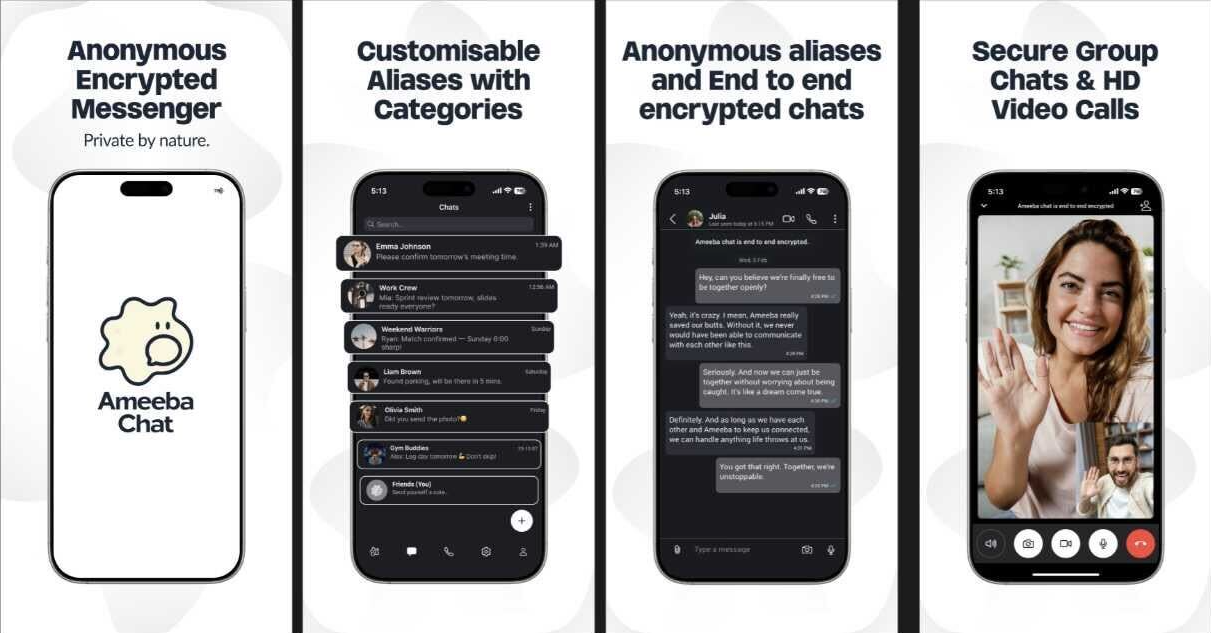
Ameeba Chat gives you a way out.
- • No phone number
- • No email
- • No personal info
- • Anonymous aliases
- • End-to-end encrypted
Chat without a trace.
Product | Affected Versions
Powerline Adapter | All versions prior to the latest patch
Smart Grid Communication Systems | All versions prior to the latest patch
How the Exploit Works
An attacker, by manipulating specific parameters within the PIB file of a powerline communication device, can trigger this vulnerability. The flaw lies in the insecure handling of the PIB file, which allows unauthorized modification and potential information disclosure. This would give the attacker the ability to view and manipulate sensitive data, leading to a possible system compromise.
Conceptual Example Code
POST /pibfile/modify HTTP/1.1
Host: targetpowerline.device.com
Content-Type: application/json
{ "data": "malicious_injection", "file": "target.pib" }
In this hypothetical example, the attacker sends a POST request to the device’s PIB file modification endpoint with malicious data. The server processes the request and inadvertently exposes sensitive information or allows unauthorized system changes.
Mitigation Guidance
To mitigate this vulnerability, users are advised to apply the latest patches provided by the vendors. If a patch is not available, employing a Web Application Firewall (WAF) or Intrusion Detection System (IDS) could serve as a temporary mitigation measure. Regular system monitoring and updates are also recommended to maintain a secure environment.
