
Overview
A critical authentication bypass vulnerability has been identified in the Production Environment extension of Netmake’s ScriptCase, specifically version 9.12.006 (23). This vulnerability, if exploited, could allow an unauthenticated attacker to take over the administrator account, potentially leading to system compromise or data leakage. Given its severity and potential impact, immediate attention and mitigation are necessary.
Vulnerability Summary
CVE ID: CVE-2025-47227
Severity: High – CVSS Score: 7.5
Attack Vector: Network
Privileges Required: None
User Interaction: None
Impact: System compromise, potential data leakage
Affected Products
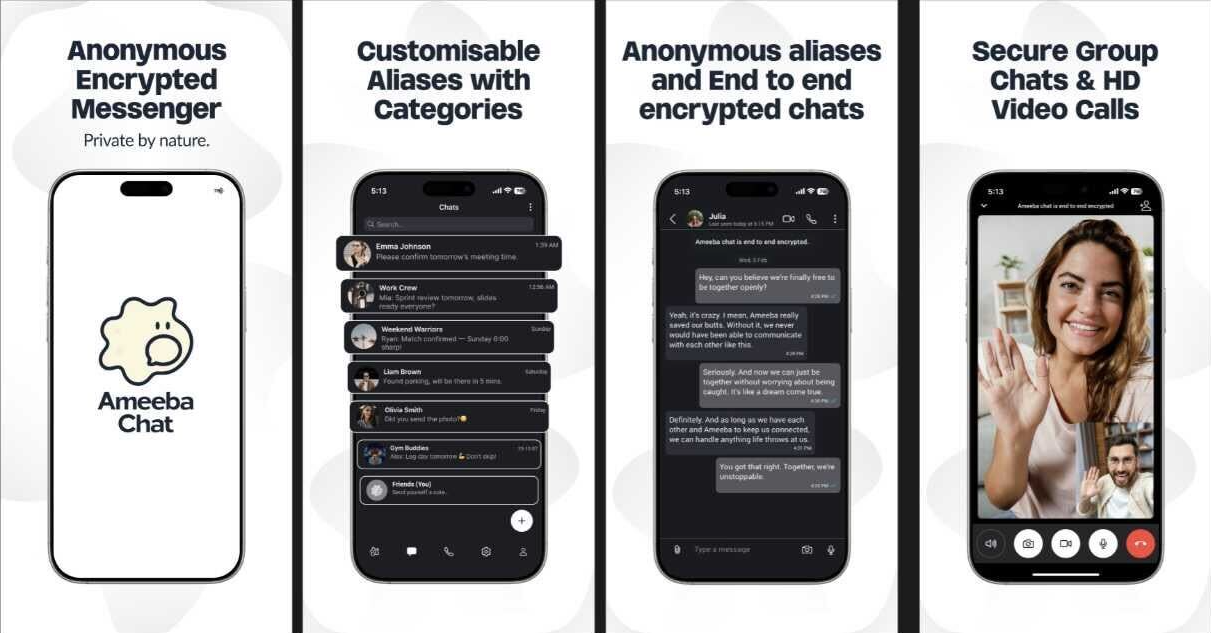
 Escape the Surveillance Era
Most apps won’t tell you the truth.
They’re part of the problem.
Phone numbers. Emails. Profiles. Logs.
It’s all fuel for surveillance.
Ameeba Chat gives you a way out.
- • No phone number
- • No email
- • No personal info
- • Anonymous aliases
- • End-to-end encrypted
Chat without a trace.
Product | Affected Versions
Netmake ScriptCase Production Environment Extension| Through 9.12.006 (23)
How the Exploit Works
The vulnerability resides in the password reset mechanism for the administrator account in the Production Environment extension of Netmake ScriptCase. An attacker can bypass authentication by making both a GET and POST request to login.php. This allows the attacker to potentially reset the administrator password, taking over the administrator account, and gaining full system access.
Conceptual Example Code
Here is a conceptual example of how the vulnerability might be exploited using HTTP requests:
GET /login.php HTTP/1.1
Host: target.example.com
POST /login.php HTTP/1.1
Host: target.example.com
Content-Type: application/x-www-form-urlencoded
username=admin&password=newpassword
In this example, the attacker first sends a GET request to ‘login.php’, followed by a POST request, effectively bypassing the authentication mechanism and changing the password of the ‘admin’ account.
Mitigation Guidance
The best course of action is to apply the patch provided by the vendor as soon as it becomes available. Until then, as a temporary mitigation, it is recommended to use a Web Application Firewall (WAF) or Intrusion Detection System (IDS) to monitor and potentially block malicious requests. Regularly monitoring system logs for any suspicious activity is also a prudent step.
