
Overview
The CVE-2025-47187 vulnerability affects the Mitel 6800 Series, 6900 Series, and 6900w Series SIP Phones and the 6970 Conference Unit. If exploited, this vulnerability could allow an attacker to upload arbitrary WAV files, potentially exhausting the phone’s storage without affecting its operation. This report evaluates the nature of this vulnerability, its potential risks, and how it can be mitigated.
Vulnerability Summary
CVE ID: CVE-2025-47187
Severity: High (7.5)
Attack Vector: Network
Privileges Required: None
User Interaction: None
Impact: Potential system compromise or data leakage
Affected Products
 Escape the Surveillance Era
Most apps won’t tell you the truth.
They’re part of the problem.
Phone numbers. Emails. Profiles. Logs.
It’s all fuel for surveillance.
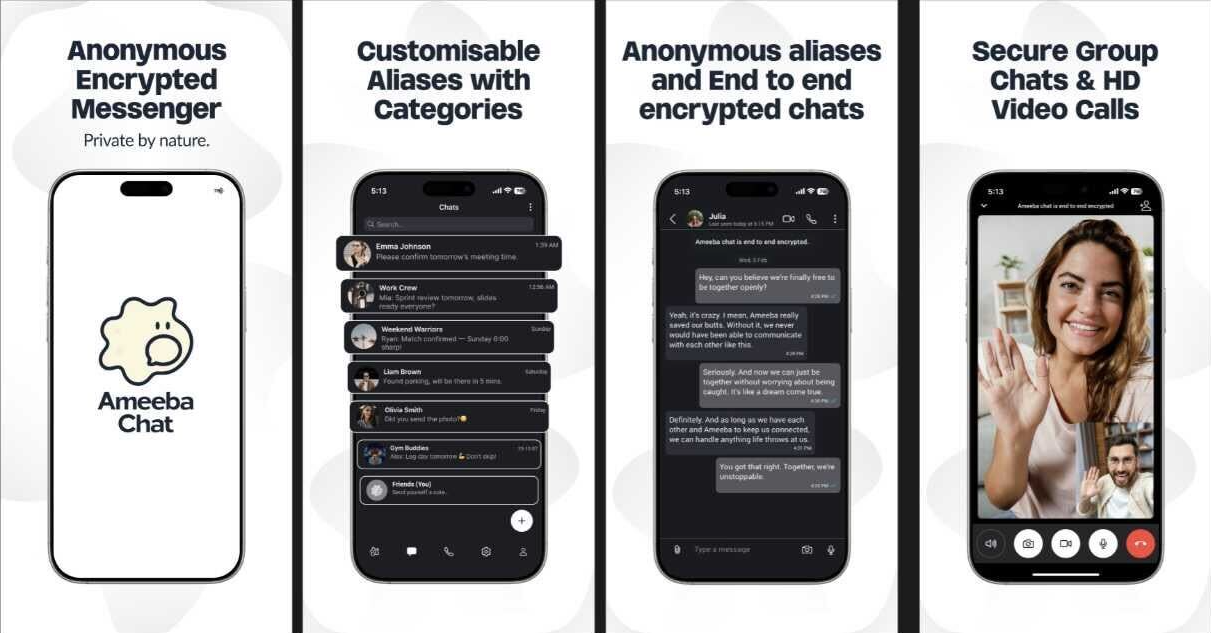
Ameeba Chat gives you a way out.
- • No phone number
- • No email
- • No personal info
- • Anonymous aliases
- • End-to-end encrypted
Chat without a trace.
Product | Affected Versions
Mitel 6800 Series SIP Phones | Through 6.4 SP4 (R6.4.0.4006)
Mitel 6900 Series SIP Phones | Through 6.4 SP4 (R6.4.0.4006)
Mitel 6900w Series SIP Phones | Through 6.4 SP4 (R6.4.0.4006)
Mitel 6970 Conference Unit | Through 6.4 SP4 (R6.4.0.4006) or version V1 R0.1.0
How the Exploit Works
The vulnerability lies in missing authentication mechanisms, which allow an attacker to perform a file upload attack. By uploading arbitrary WAV files, an attacker can potentially exhaust the storage of the phones in question. This can lead to a system compromise or data leakage, without affecting the phone’s availability or operation.
Conceptual Example Code
A conceptual example of how the vulnerability might be exploited could be an HTTP POST request to upload a malicious WAV file:
POST /upload/endpoint HTTP/1.1
Host: target.example.com
Content-Type: audio/wav
{ "filename": "malicious_file.wav", "data": "..." }
This would upload the malicious WAV file to the targeted Mitel SIP Phone, potentially exhausting its storage and thus leading to potential system compromise or data leakage.
