
Overview
CVE-2025-46585 is a critical vulnerability existing in certain versions of the kernel module. This vulnerability, characterized by an out-of-bounds read/write condition, has a high potential for system compromise or data leakage. Given the severity, it is essential for system administrators and security teams to understand, detect, and mitigate this vulnerability.
Vulnerability Summary
CVE ID: CVE-2025-46585
Severity: High (CVSS: 7.5)
Attack Vector: Local
Privileges Required: Low
User Interaction: None
Impact: System compromise and potential data leakage
Affected Products
 Escape the Surveillance Era
Most apps won’t tell you the truth.
They’re part of the problem.
Phone numbers. Emails. Profiles. Logs.
It’s all fuel for surveillance.
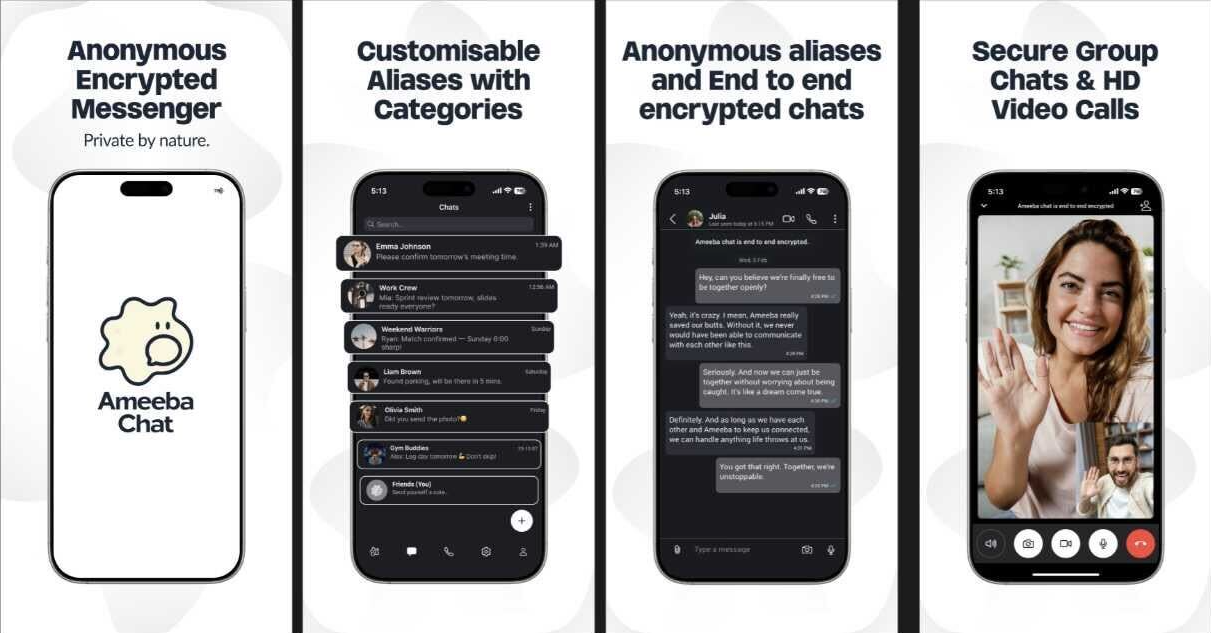
Ameeba Chat gives you a way out.
- • No phone number
- • No email
- • No personal info
- • Anonymous aliases
- • End-to-end encrypted
Chat without a trace.
Product | Affected Versions
Kernel Module | 4.0 to 4.2
Kernel Module | 5.0 to 5.3
How the Exploit Works
The vulnerability arises from a lack of boundary checks in the kernel module’s read/write operations on certain arrays. A malicious user can exploit this vulnerability by writing to these arrays outside of their allocated space, causing unexpected behavior that can lead to system crashes or even unauthorized privilege escalation.
Conceptual Example Code
An example of how this vulnerability might be exploited is demonstrated below. This hypothetical shell command writes data to an array outside of its bounds:
# This is a conceptual example and not actual exploit code
$ echo -n "malicious_data" > /dev/kernel_module/array_index/1000000
In this example, the “malicious_data” is written to an array index that is likely outside of its allocated space (index 1000000). If the kernel module does not perform proper boundary checks, this could lead to an out-of-bounds write and potential exploitation.
Mitigation Guidance
To protect against exploitation of this vulnerability, users are advised to apply the latest patch provided by the vendor. In the absence of a vendor patch, using a Web Application Firewall (WAF) or Intrusion Detection System (IDS) can provide temporary mitigation. However, these solutions are not foolproof and cannot substitute for a vendor-supplied patch.
