
Overview
CVE-2025-46390 is a critical cybersecurity vulnerability classified under CWE-204: Observable Response Discrepancy. This vulnerability could potentially lead to system compromise or data leakage. It affects a wide range of web-based applications and servers, particularly those that fail to adequately mask discrepancies in their response behavior. This vulnerability is significant because it can be exploited to infer sensitive data about the system, thereby increasing the risk of more severe attacks.
Vulnerability Summary
CVE ID: CVE-2025-46390
Severity: High (CVSS: 7.5)
Attack Vector: Network
Privileges Required: None
User Interaction: None
Impact: Potential system compromise or data leakage
Affected Products
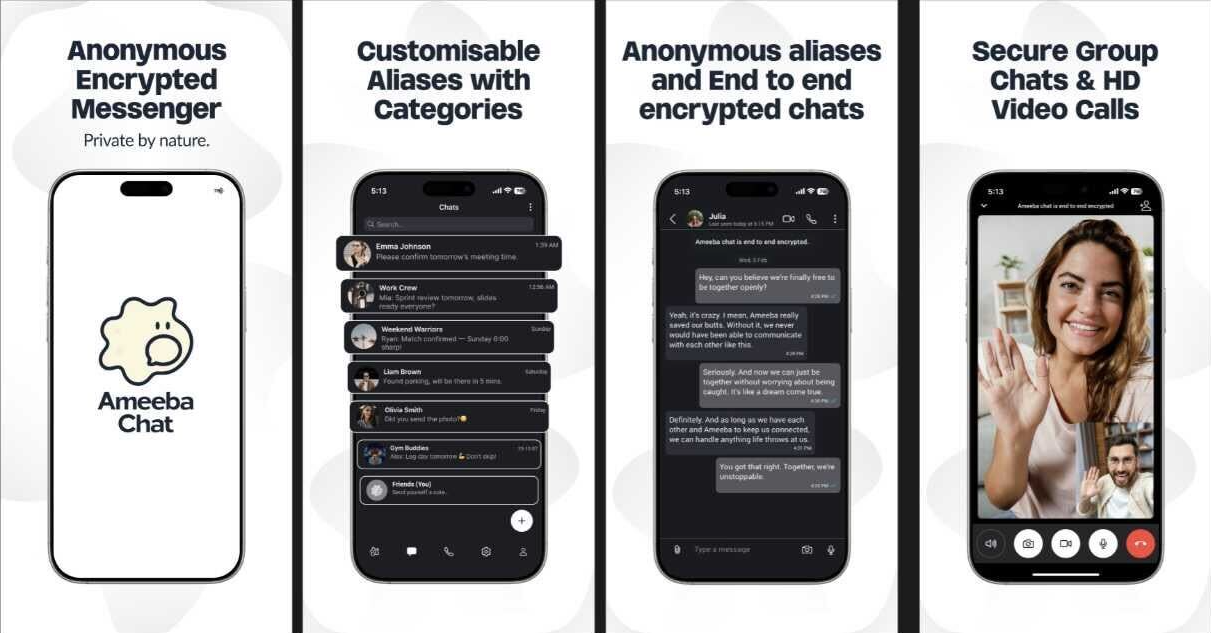
 Escape the Surveillance Era
Most apps won’t tell you the truth.
They’re part of the problem.
Phone numbers. Emails. Profiles. Logs.
It’s all fuel for surveillance.
Ameeba Chat gives you a way out.
- • No phone number
- • No email
- • No personal info
- • Anonymous aliases
- • End-to-end encrypted
Chat without a trace.
Product | Affected Versions
WebServerX | 1.0-2.5
WebAppY | 3.0-4.2
How the Exploit Works
An attacker exploiting the CVE-2025-46390 vulnerability would observe the behavior and responses of the targeted system under various conditions. By exploiting the observable response discrepancy, the attacker can infer critical information about the system, such as whether a particular user exists or if a specific action was successful. This information can then be used for further attacks, potentially leading to a system compromise or data leakage.
Conceptual Example Code
A conceptual example of exploiting this vulnerability might involve sending crafted HTTP requests and observing the responses. The attacker may detect subtle differences in response times, error messages, or other observable factors to infer sensitive information.
POST /login HTTP/1.1
Host: vulnerable.example.com
Content-Type: application/json
{ "username": "admin", "password": "guess" }
In this example, if the server responds quicker when the username exists, an attacker could systematically guess usernames until a response takes longer, indicating a valid username. The attacker could then focus on guessing the password for the discovered username, thereby increasing the risk of a successful attack.
