
Overview
The vulnerability, identified as CVE-2025-45001, affects react-native-keys version 0.7.11, a widely used library in the native development space. This vulnerability can lead to sensitive information disclosure, potentially compromising the system or leading to data leakage. Given the popularity of this library, the impact is widespread and significant.
Vulnerability Summary
CVE ID: CVE-2025-45001
Severity: High (7.5 CVSS Score)
Attack Vector: Remote
Privileges Required: None
User Interaction: None
Impact: Sensitive data disclosure leading to potential system compromise or data leakage.
Affected Products
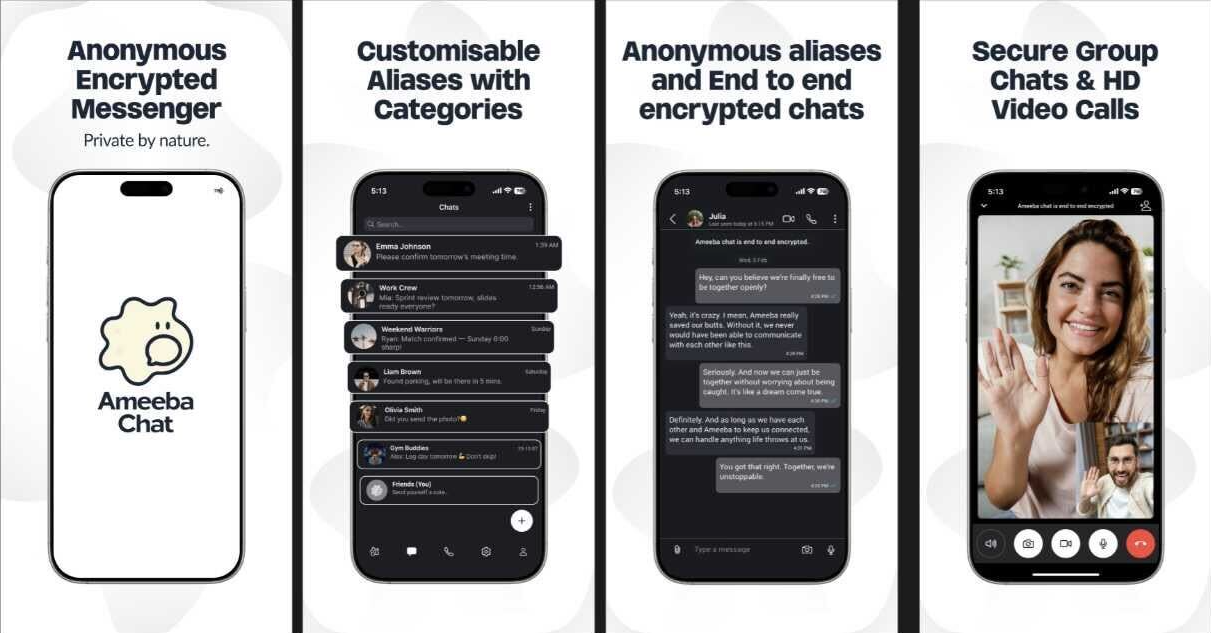
 Escape the Surveillance Era
Most apps won’t tell you the truth.
They’re part of the problem.
Phone numbers. Emails. Profiles. Logs.
It’s all fuel for surveillance.
Ameeba Chat gives you a way out.
- • No phone number
- • No email
- • No personal info
- • Anonymous aliases
- • End-to-end encrypted
Chat without a trace.
Product | Affected Versions
react-native-keys | 0.7.11
How the Exploit Works
The vulnerability arises from the react-native-keys library storing encryption cipher and Base64 chunks in plaintext within the compiled native binary. Attackers can exploit this vulnerability by using basic static analysis tools to extract these secrets, achieving unauthorized access to sensitive information.
Conceptual Example Code
The following is a conceptual example showcasing how an attacker might exploit this vulnerability. This pseudocode represents a static analysis tool extracting sensitive data:
def extract_secrets(binary_file):
with open(binary_file, 'rb') as file:
data = file.read()
# Find the encryption cipher and Base64 chunks in the binary data
secrets = static_analysis_tool(data)
return secrets
In this example, the static_analysis_tool function represents the action of an actual static analysis tool that an attacker might use to extract sensitive data from the binary file.
Please note, this is a conceptual example and should not be used for actual exploit development.
Mitigation Guidance
It’s recommended to apply the vendor patch as soon as it’s available to address this vulnerability. In the interim, using a Web Application Firewall (WAF) or Intrusion Detection System (IDS) can serve as a temporary mitigation measure, helping to monitor and potentially block malicious activities. Regularly updating and patching software is key to maintaining a secure environment.
