
Overview
The Common Vulnerabilities and Exposures (CVE) system has identified a buffer overflow vulnerability in WS-WN572HP3 V230525 that poses significant cybersecurity threats. This vulnerability can be exploited to cause a Denial of Service (DoS) via a specially crafted HTTP request, affecting any organization or individual using the vulnerable component. Consequences can range from temporary unavailability of services to potential system compromise or data leakage.
Vulnerability Summary
CVE ID: CVE-2025-44879
Severity: High (CVSS: 7.5)
Attack Vector: Network
Privileges Required: None
User Interaction: None
Impact: Potential system compromise or data leakage
Affected Products
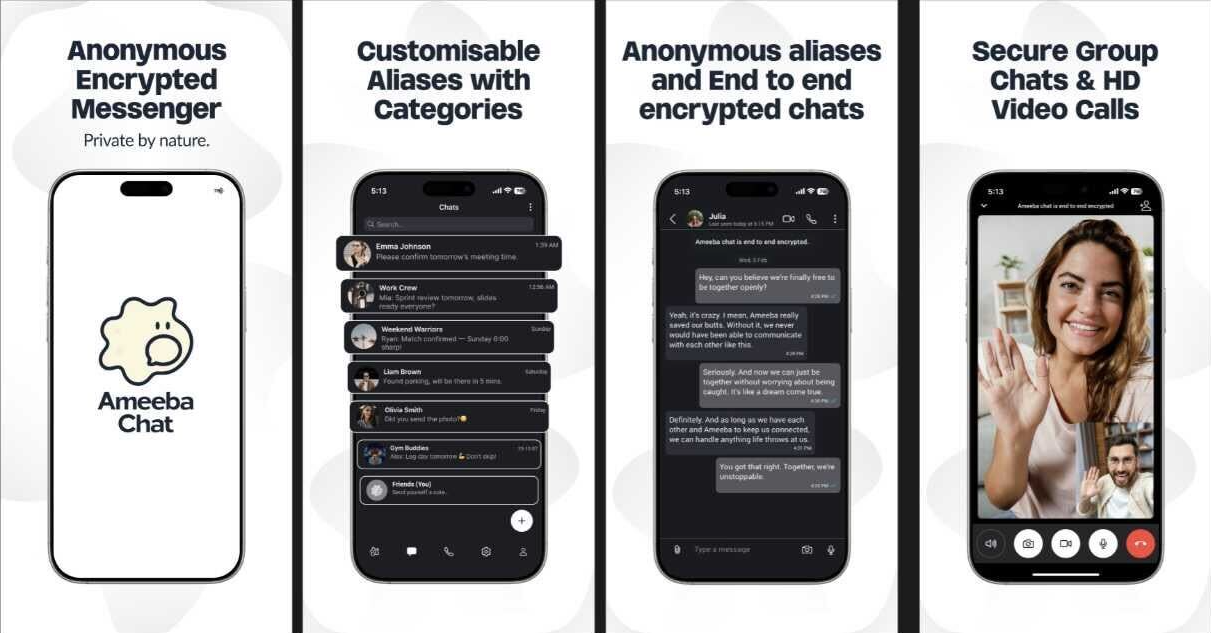
 Escape the Surveillance Era
Most apps won’t tell you the truth.
They’re part of the problem.
Phone numbers. Emails. Profiles. Logs.
It’s all fuel for surveillance.
Ameeba Chat gives you a way out.
- • No phone number
- • No email
- • No personal info
- • Anonymous aliases
- • End-to-end encrypted
Chat without a trace.
Product | Affected Versions
WS-WN572HP3 | V230525
How the Exploit Works
The exploit takes advantage of a buffer overflow vulnerability in the /www/cgi-bin/upload.cgi component of WS-WN572HP3 V230525. Buffer overflow occurs when more data is put into a fixed-length buffer than it can handle, causing an overflow of data into adjacent memory locations. In this case, an attacker sends an HTTP request containing excessive data specifically crafted to overflow the buffer. This overflow can lead to unpredictable program behavior, including memory access errors, incorrect results, a crash, or a breach of system security.
Conceptual Example Code
Below is a conceptual example of how the vulnerability might be exploited. This is a sample HTTP request that contains a large amount of data meant to overflow the buffer.
POST /www/cgi-bin/upload.cgi HTTP/1.1
Host: target.example.com
Content-Type: multipart/form-data
{ "file": "AAAAAAAAAAAAAAAAAAAAAAAAAAAAAAAAA..." } // excessively long string
Mitigation
Until a vendor patch is available, users are advised to use a Web Application Firewall (WAF) or an Intrusion Detection System (IDS) as temporary mitigation. The vendor is expected to release a patch that addresses the vulnerability by imposing stricter input validation checks to prevent buffer overflow. As general good practice, regular updates and patches should be applied to all software and firmware to mitigate the risk of exploitation.
