
Overview
A severe CVE vulnerability, CVE-2025-44614, has been identified in the Tinxy WiFi Lock Controller v1 RF, which stores users’ sensitive information in plaintext. This vulnerability poses a serious threat to user privacy and security, potentially enabling system compromise and data leakage. Given the widespread use of this product, it is crucial for users and organizations to understand the potential risks and the necessary mitigation steps.
Vulnerability Summary
CVE ID: CVE-2025-44614
Severity: High, CVSS Score 7.5
Attack Vector: Network
Privileges Required: Low
User Interaction: Required
Impact: System compromise, data leakage
Affected Products
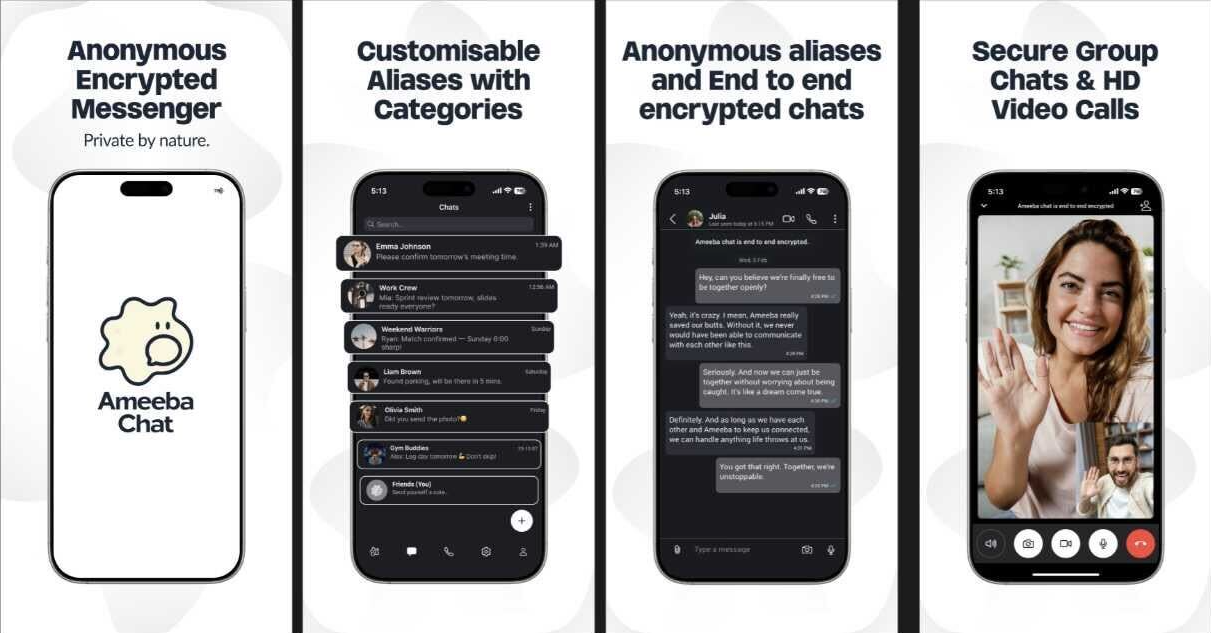
 Escape the Surveillance Era
Most apps won’t tell you the truth.
They’re part of the problem.
Phone numbers. Emails. Profiles. Logs.
It’s all fuel for surveillance.
Ameeba Chat gives you a way out.
- • No phone number
- • No email
- • No personal info
- • Anonymous aliases
- • End-to-end encrypted
Chat without a trace.
Product | Affected Versions
Tinxy WiFi Lock Controller v1 RF | All Versions
How the Exploit Works
The vulnerability stems from the insecure storage of sensitive user data in plaintext within the Tinxy WiFi Lock Controller v1 RF system. This design flaw allows an attacker, who successfully infiltrates the network, to access and retrieve these plaintext credentials and mobile phone numbers. This access could lead to unauthorized system control, user impersonation, and potential data leakage.
Conceptual Example Code
A potential exploit could occur through a network sniffer tool such as Wireshark, which could capture the plaintext credentials during a network session. A simplified conceptual example of an HTTP request to access this data might look like:
GET /retrieveCredentials HTTP/1.1
Host: target.example.com
User-Agent: Wireshark
In this example, an attacker sends an HTTP GET request to the ‘retrieveCredentials’ endpoint to obtain the plaintext credentials.
Recommended Mitigation
Users of the Tinxy WiFi Lock Controller v1 RF should immediately apply any patches provided by the vendor to fix this vulnerability. If a patch is not available, users should consider implementing a Web Application Firewall (WAF) or an Intrusion Detection System (IDS) as a temporary mitigation measure. Regular software updates and strong network security protocols can also help prevent exploitation of this vulnerability.
