
Overview
Ecovacs Deebot T10 1.7.2 has been identified as having a critical vulnerability (CVE-2025-44251), which allows for the cleartext transmission of Wi-Fi credentials during the device pairing process. This vulnerability poses significant security risks, potentially leading to compromise of systems or data leakage, affecting all users of the affected versions of the product. This report provides a detailed analysis of the vulnerability, its potential impact, and suggested mitigation strategies.
Vulnerability Summary
CVE ID: CVE-2025-44251
Severity: High (7.5 CVSS Score)
Attack Vector: Network
Privileges Required: None
User Interaction: Required
Impact: Potential system compromise or data leakage
Affected Products
 Escape the Surveillance Era
Most apps won’t tell you the truth.
They’re part of the problem.
Phone numbers. Emails. Profiles. Logs.
It’s all fuel for surveillance.
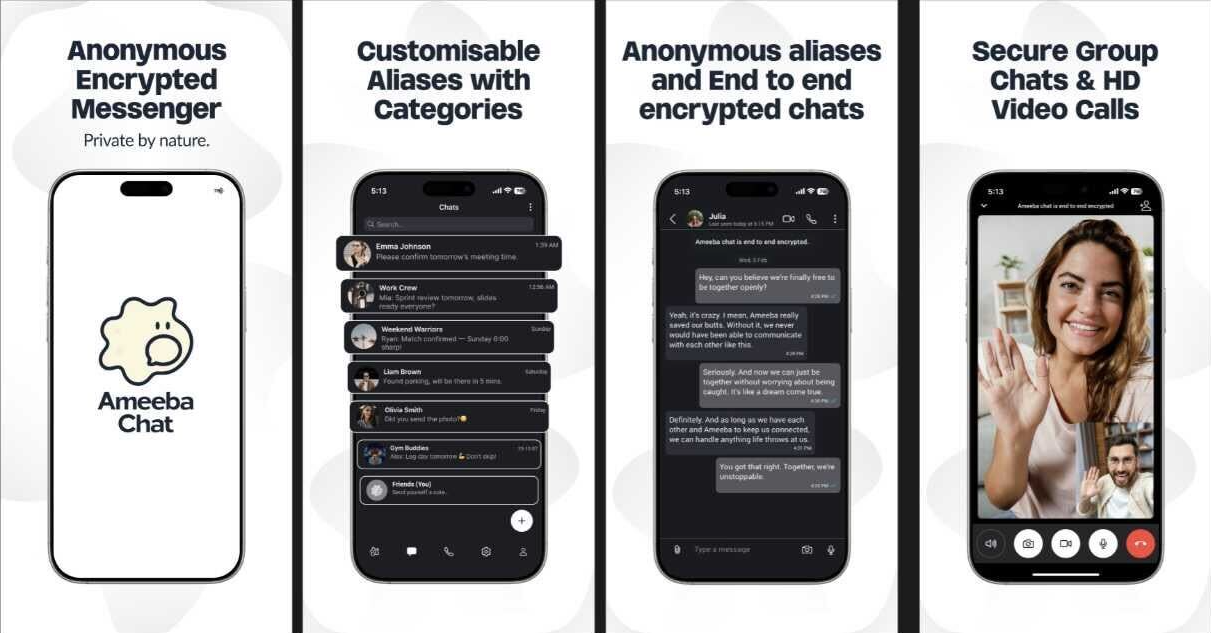
Ameeba Chat gives you a way out.
- • No phone number
- • No email
- • No personal info
- • Anonymous aliases
- • End-to-end encrypted
Chat without a trace.
Product | Affected Versions
Ecovacs Deebot T10 | 1.7.2
How the Exploit Works
The vulnerability stems from the insecure transmission of Wi-Fi credentials during the pairing process. Specifically, the Ecovacs Deebot T10 1.7.2 fails to encrypt or otherwise secure these credentials, transmitting them in clear text. This exposes the credentials to potential interception by malicious actors, who can then use them to gain unauthorized access to the network, potentially leading to system compromise or data leakage.
Conceptual Example Code
This vulnerability might be exploited through a packet sniffing attack. A conceptual example of this attack could look something like:
# Using airodump-ng to capture packets on a specific channel
airodump-ng --channel <channel> --bssid <BSSID> --write capture.pcap wlan0
In this conceptual example, an attacker uses the airodump-ng tool to capture packets on the Wi-Fi channel where the Ecovacs Deebot is transmitting. The `–write` argument saves these packets to a file (here, `capture.pcap`), which can then be analyzed to extract the cleartext Wi-Fi credentials.
Mitigation Guidance
Users of Ecovacs Deebot T10 1.7.2 are strongly advised to apply the vendor patch when available. In the meantime, users may consider using a Web Application Firewall (WAF) or an Intrusion Detection System (IDS) as a temporary mitigation strategy to monitor and filter network traffic for suspicious activity.
