
Overview
The cybersecurity community has recently identified a buffer overflow vulnerability, designated as CVE-2025-4410, in the SetupUtility module. This vulnerability, if exploited, could allow an attacker with local privileged access to execute arbitrary code, leading to potential system compromise or data leakage. The impact of this vulnerability is severe, affecting various products and systems that employ the SetupUtility module.
Vulnerability Summary
CVE ID: CVE-2025-4410
Severity: High (CVSS: 7.5)
Attack Vector: Local
Privileges Required: High
User Interaction: None
Impact: System compromise, potential data leakage
Affected Products
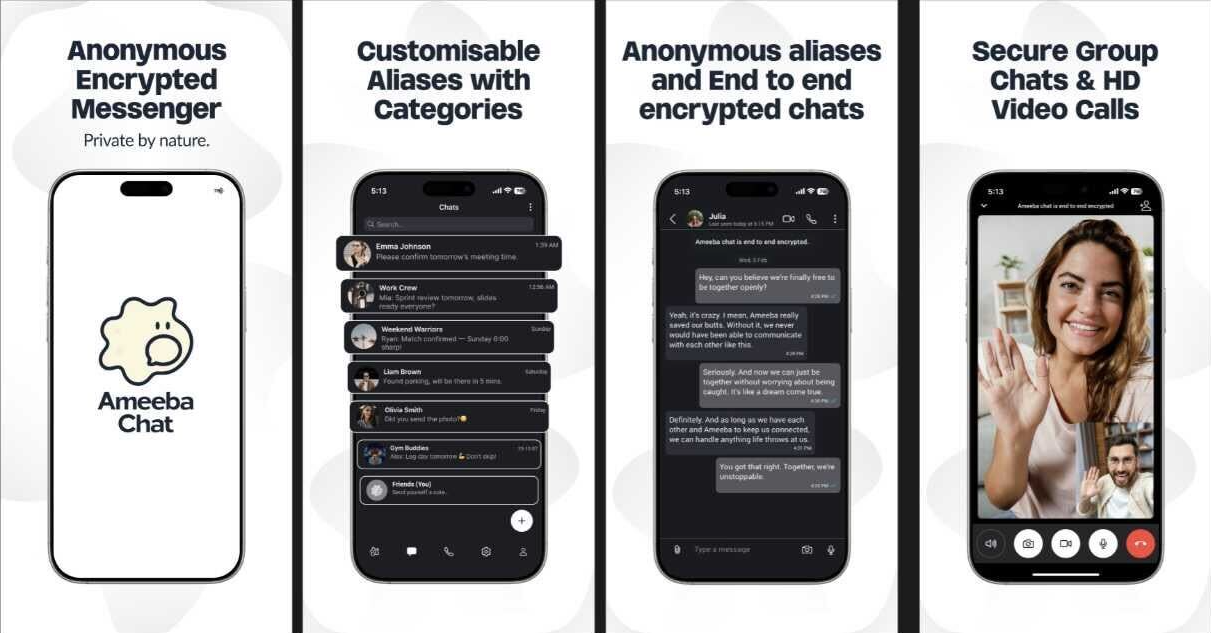
 Escape the Surveillance Era
Most apps won’t tell you the truth.
They’re part of the problem.
Phone numbers. Emails. Profiles. Logs.
It’s all fuel for surveillance.
Ameeba Chat gives you a way out.
- • No phone number
- • No email
- • No personal info
- • Anonymous aliases
- • End-to-end encrypted
Chat without a trace.
Product | Affected Versions
SetupUtility | All versions until patch
How the Exploit Works
The vulnerability resides in the SetupUtility module, where a buffer overflow can be triggered. Buffer overflows occur when a program or process attempts to write more data than it should into a fixed length buffer. This vulnerability allows an attacker with local privileged access to overflow this buffer by inputting more data than it can handle. This overflow can overwrite adjacent memory locations, allowing the attacker to execute arbitrary code.
Conceptual Example Code
Here is a conceptual example of how this vulnerability might be exploited, using pseudocode:
$ ./SetupUtility --input "A"*5000In this conceptual example, an attacker uses the command line interface to input more data (represented by “A”*5000) into the SetupUtility module than it can handle, resulting in a buffer overflow.
Recommended Mitigation Steps
To mitigate this vulnerability, it is recommended to apply the vendor patch as soon as it is available. As a temporary mitigation, using a Web Application Firewall (WAF) or Intrusion Detection System (IDS) can help detect and block attempts to exploit this vulnerability. Regular monitoring and updating of systems are also advised to prevent exploitation of this and other vulnerabilities.
