
Overview
This report outlines the technical aspects of a significant security vulnerability, CVE-2025-44044, discovered in Keyoti SearchUnit prior to version 9.0.0. This vulnerability is critical as it allows an attacker to perform XML External Entity (XXE) attacks, potentially leading to system compromise or data leakage. Organizations utilizing affected versions of Keyoti SearchUnit need to take immediate action to mitigate this vulnerability and secure their systems.
Vulnerability Summary
CVE ID: CVE-2025-44044
Severity: High (7.5 CVSS score)
Attack Vector: Network
Privileges Required: None
User Interaction: None required
Impact: System compromise and potential data leakage
Affected Products
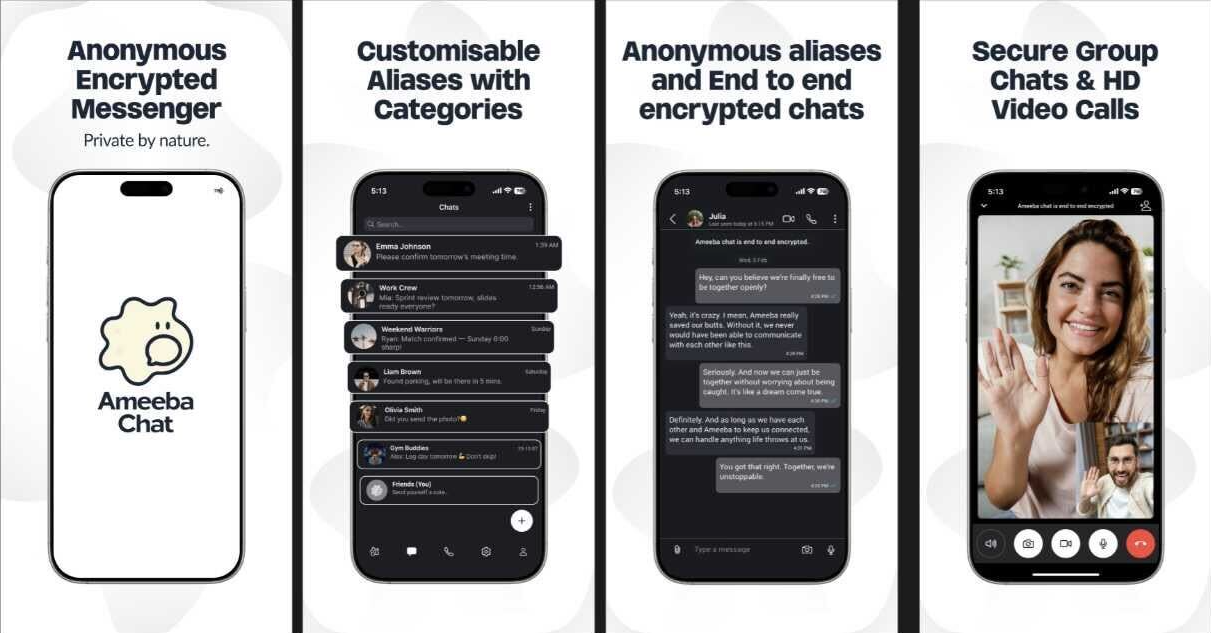
 Escape the Surveillance Era
Most apps won’t tell you the truth.
They’re part of the problem.
Phone numbers. Emails. Profiles. Logs.
It’s all fuel for surveillance.
Ameeba Chat gives you a way out.
- • No phone number
- • No email
- • No personal info
- • Anonymous aliases
- • End-to-end encrypted
Chat without a trace.
Product | Affected Versions
Keyoti SearchUnit | Prior to 9.0.0
How the Exploit Works
The vulnerability resides in the XML parsing mechanism of Keyoti SearchUnit. An attacker who can force a vulnerable SearchUnit host into parsing maliciously crafted XML and/or DTD files can cause the system to process an external entity reference in XML input containing a URL. This could lead to the disclosure of confidential data, denial of service, server side request forgery, port scanning from the perspective of the machine where the parser is located, and other system impacts.
Conceptual Example Code
The following is a conceptual example of how the vulnerability might be exploited:
<!ENTITY xxe SYSTEM "file:///etc/passwd">]>
<!DOCTYPE foo [<!ENTITY xxe SYSTEM "file:///etc/passwd">]>
<foo>&xxe;</foo>
In this example, the attacker attempts to get the “/etc/passwd” file from the server. If the XML parser is vulnerable to XXE, the contents of the “/etc/passwd” file would be returned inside the XML output.
Mitigation Steps
To mitigate this vulnerability, organizations are advised to apply the vendor-provided patch or update to Keyoti SearchUnit version 9.0.0 or later. As a temporary mitigation, use of a Web Application Firewall (WAF) or Intrusion Detection System (IDS) can help detect and prevent exploitation of this vulnerability. Regular patch management and keeping up-to-date with software versions is a key part of an effective cybersecurity strategy.
