
Overview
CVE-2025-43833 is a critical vulnerability that exploits improper neutralization of special elements in SQL commands, colloquially known as an SQL injection vulnerability. The affected product is Amir Helzer’s Absolute Links, versions up to and including 1.1.1. This vulnerability poses a severe threat, as it could potentially compromise the system or lead to data leakage, putting sensitive data at risk.
Vulnerability Summary
CVE ID: CVE-2025-43833
Severity: High (CVSS 7.6)
Attack Vector: Network
Privileges Required: None
User Interaction: None
Impact: System compromise or data leakage
Affected Products
 Escape the Surveillance Era
Most apps won’t tell you the truth.
They’re part of the problem.
Phone numbers. Emails. Profiles. Logs.
It’s all fuel for surveillance.
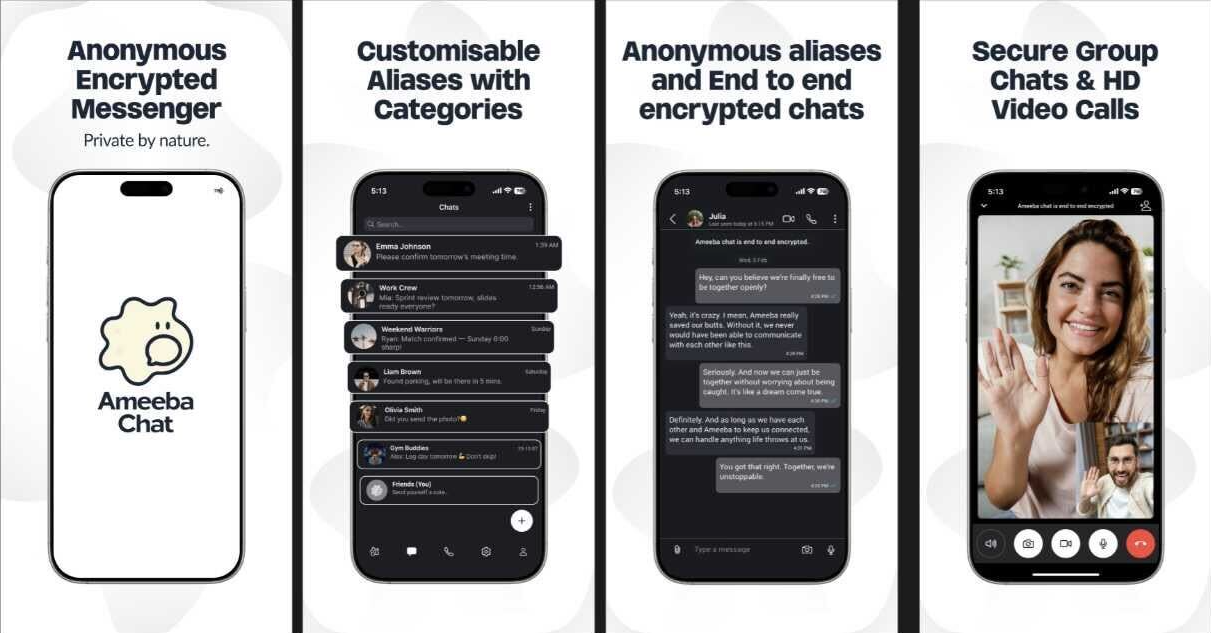
Ameeba Chat gives you a way out.
- • No phone number
- • No email
- • No personal info
- • Anonymous aliases
- • End-to-end encrypted
Chat without a trace.
Product | Affected Versions
Amir Helzer Absolute Links | n/a through 1.1.1
How the Exploit Works
The exploit operates by injecting malicious SQL queries into the application due to the lack of proper input sanitization. This allows an attacker to manipulate SQL queries, potentially revealing sensitive data, modifying the database, or even executing commands on the host operating system.
Conceptual Example Code
Below is a conceptual example of how the vulnerability might be exploited. It involves sending a malicious payload, in this case, a crafted SQL statement, to a vulnerable endpoint of the application.
POST /vulnerable/endpoint HTTP/1.1
Host: target.example.com
Content-Type: application/x-www-form-urlencoded
input_field=1'; DROP TABLE users; --
In this example, `1′; DROP TABLE users; –` is the malicious SQL payload. The `1′;` part ends the original SQL statement the application intended to run, then `DROP TABLE users;` is a new SQL statement which deletes the users table, and finally `–` comments out the rest of the original SQL statement, preventing syntax errors.
Mitigation Guidance
The most effective solution is to apply the vendor patch as soon as it becomes available. Until then, a Web Application Firewall (WAF) or Intrusion Detection System (IDS) can be used to detect and block attempted exploits of this vulnerability. Also, it’s recommended to sanitize all user inputs to avoid any SQL Injection attack.
