
Overview
CVE-2025-4381 is a significant cybersecurity threat to WordPress users using the Ads Pro Plugin – Multi-Purpose WordPress Advertising Manager. It is an SQL Injection vulnerability that can lead to severe consequences such as system compromise or data leakage. This report details the vulnerability, its impact, and recommended mitigation strategies.
Vulnerability Summary
CVE ID: CVE-2025-4381
Severity: High (7.5 CVSS Score)
Attack Vector: Network
Privileges Required: None
User Interaction: None
Impact: System compromise or data leakage due to SQL Injection
Affected Products
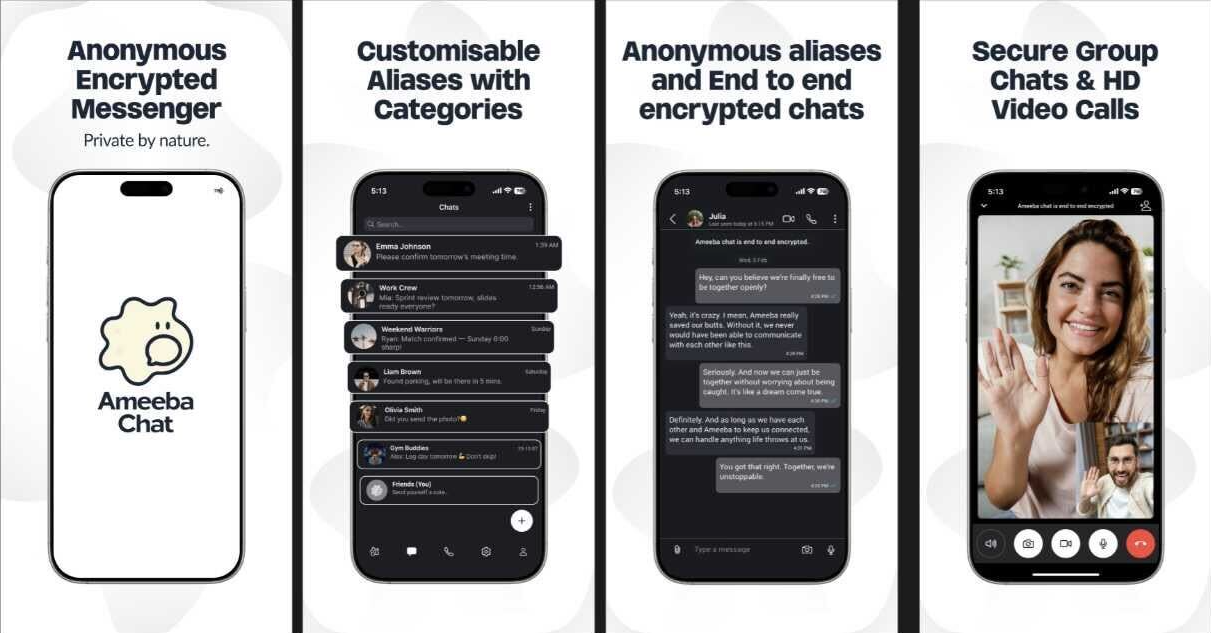
 Escape the Surveillance Era
Most apps won’t tell you the truth.
They’re part of the problem.
Phone numbers. Emails. Profiles. Logs.
It’s all fuel for surveillance.
Ameeba Chat gives you a way out.
- • No phone number
- • No email
- • No personal info
- • Anonymous aliases
- • End-to-end encrypted
Chat without a trace.
Product | Affected Versions
Ads Pro Plugin – Multi-Purpose WordPress Advertising Manager | Up to and including 4.89
How the Exploit Works
The exploit occurs due to insufficient escaping on a user-supplied parameter and a lack of adequate preparation on an existing SQL query within the getSpace() function of the plugin. By injecting malicious SQL queries via the ‘$id’ variable, an unauthenticated attacker can manipulate the database, potentially extracting sensitive information.
Conceptual Example Code
An example of how the vulnerability might be exploited could be a malicious HTTP request like below:
GET /vulnerable_plugin/getSpace?id=1;DROP TABLE users; HTTP/1.1
Host: target.example.com
In this example, the attacker appends a ‘DROP TABLE’ SQL command to the ‘id’ parameter, which, if successful, would delete the ‘users’ table from the database. This is a simplified example and the actual attacks can be much more complex and damaging.
Mitigation Guidance
Users are advised to apply the latest vendor patch to fix the vulnerability. If a patch is not immediately available, the use of a Web Application Firewall (WAF) or Intrusion Detection System (IDS) could serve as temporary mitigation. These systems should be configured to detect and prevent SQL Injection attacks.
