
Overview
The SAP NetWeaver Visual Composer, a widely used software tool for application development, has been found to contain a critical Directory Traversal vulnerability. This vulnerability, if exploited, could potentially compromise the system or lead to data leakage. Given the widespread use of SAP NetWeaver Visual Composer in many organizations, it is crucial to understand and mitigate the risk associated with this vulnerability.
Vulnerability Summary
CVE ID: CVE-2025-42977
Severity: High (CVSS: 7.6)
Attack Vector: Local network
Privileges Required: High
User Interaction: None
Impact: System compromise and potential data leakage
Affected Products
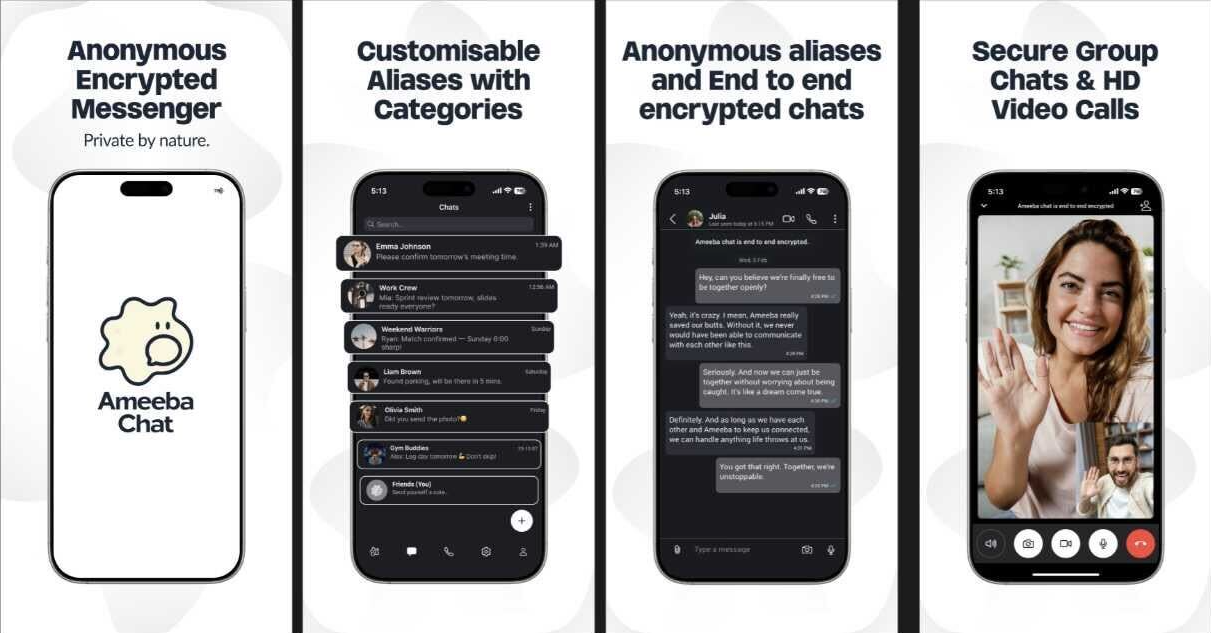
 Escape the Surveillance Era
Most apps won’t tell you the truth.
They’re part of the problem.
Phone numbers. Emails. Profiles. Logs.
It’s all fuel for surveillance.
Ameeba Chat gives you a way out.
- • No phone number
- • No email
- • No personal info
- • Anonymous aliases
- • End-to-end encrypted
Chat without a trace.
Product | Affected Versions
SAP NetWeaver Visual Composer | All versions prior to patch
How the Exploit Works
The vulnerability is caused by the software’s insufficient validation of input paths provided by a high-privileged user. If an attacker can gain high-level privileges, they can exploit this Directory Traversal vulnerability to read or modify arbitrary files in the system. This could lead to unauthorized access to confidential data or even system compromise.
Conceptual Example Code
The following is a conceptual example of how the vulnerability might be exploited:
GET /../../../../etc/passwd HTTP/1.1
Host: vulnerable.sap.netweaver.com
User-Agent: Mozilla/5.0 (Windows NT 10.0; Win64; x64; rv:88.0) Gecko/20100101 Firefox/88.0
Accept: text/html,application/xhtml+xml,application/xml;q=0.9,image/webp,*/*;q=0.8
Accept-Language: en-US,en;q=0.5
Accept-Encoding: gzip, deflate
Connection: close
Upgrade-Insecure-Requests: 1
In this example, the attacker is using a GET HTTP request to access the “/etc/passwd” file, which is outside the intended directory. The “../” represents a directory level above the current one, enabling traversal of the entire file system.
Please note that this is a conceptual example and the actual exploitation may vary based on the system configuration and the privileges of the user.
Mitigation Guidance
To mitigate the impact of this vulnerability, it is highly recommended to apply the latest patch provided by the vendor. In the absence of a patch, a Web Application Firewall (WAF) or Intrusion Detection System (IDS) can be used as temporary mitigation. Regular monitoring and log analysis are also advised to detect any suspicious activity.
