
Overview
The CVE-2025-4276 is a critical vulnerability found in UsbCoreDxe that allows an attacker to write arbitrary memory inside System Management Mode RAM (SMRAM) and execute arbitrary code at the System Management Mode (SMM) level. This vulnerability, if exploited, can cause severe damage including potential system compromise or data leakage, thus posing a significant threat to any system that uses UsbCoreDxe.
Vulnerability Summary
CVE ID: CVE-2025-4276
Severity: High (7.5 CVSS)
Attack Vector: Local
Privileges Required: System Level
User Interaction: None
Impact: Successful exploitation can lead to system compromise and potential data leakage.
Affected Products
 Escape the Surveillance Era
Most apps won’t tell you the truth.
They’re part of the problem.
Phone numbers. Emails. Profiles. Logs.
It’s all fuel for surveillance.
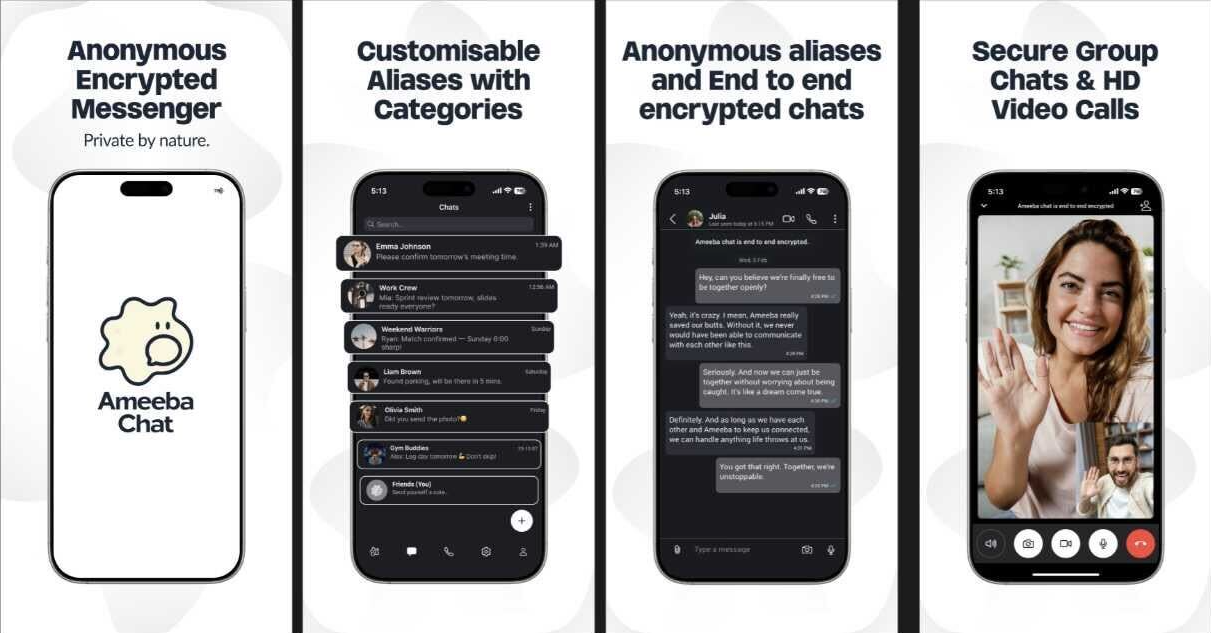
Ameeba Chat gives you a way out.
- • No phone number
- • No email
- • No personal info
- • Anonymous aliases
- • End-to-end encrypted
Chat without a trace.
Product | Affected Versions
UsbCoreDxe | All versions prior to patch
How the Exploit Works
An attacker, having gained system-level privileges, can exploit this vulnerability by writing arbitrary memory inside SMRAM, a protected region of memory used by the operating system. Once the memory is written, the attacker can then execute arbitrary code at the SMM level. The SMM is a special operating mode in which the system firmware operates, providing an isolated environment that is secure even from the operating system. By gaining control at this level, an attacker can manipulate the system at a very fundamental level, potentially bypassing all security measures.
Conceptual Example Code
This is a conceptual example of how an attacker might exploit this vulnerability. Note that specific details may vary depending on the exact system configuration and the attacker’s objectives.
#include <smm.h>
void exploit() {
// Gain system-level privileges
elevate_privileges();
// Write arbitrary memory inside SMRAM
smm_write(0x1000, "arbitrary code", 14);
// Execute arbitrary code at SMM level
smm_execute(0x1000);
}
Please note that this is a simplified and conceptual example. Actual exploit code would be much more complex and specific to the exact system configuration and the attacker’s objectives.
