
Overview
The CVE-2025-41655 represents a critical vulnerability that allows an unauthenticated remote attacker to trigger a system reboot by accessing a specific URL. This vulnerability is of high concern as it affects multiple versions of widely used products, potentially leading to system compromise and data leakage.
Vulnerability Summary
CVE ID: CVE-2025-41655
Severity: High (7.5 CVSS Score)
Attack Vector: Network
Privileges Required: None
User Interaction: None
Impact: Potential system compromise or data leakage
Affected Products
 Escape the Surveillance Era
Most apps won’t tell you the truth.
They’re part of the problem.
Phone numbers. Emails. Profiles. Logs.
It’s all fuel for surveillance.
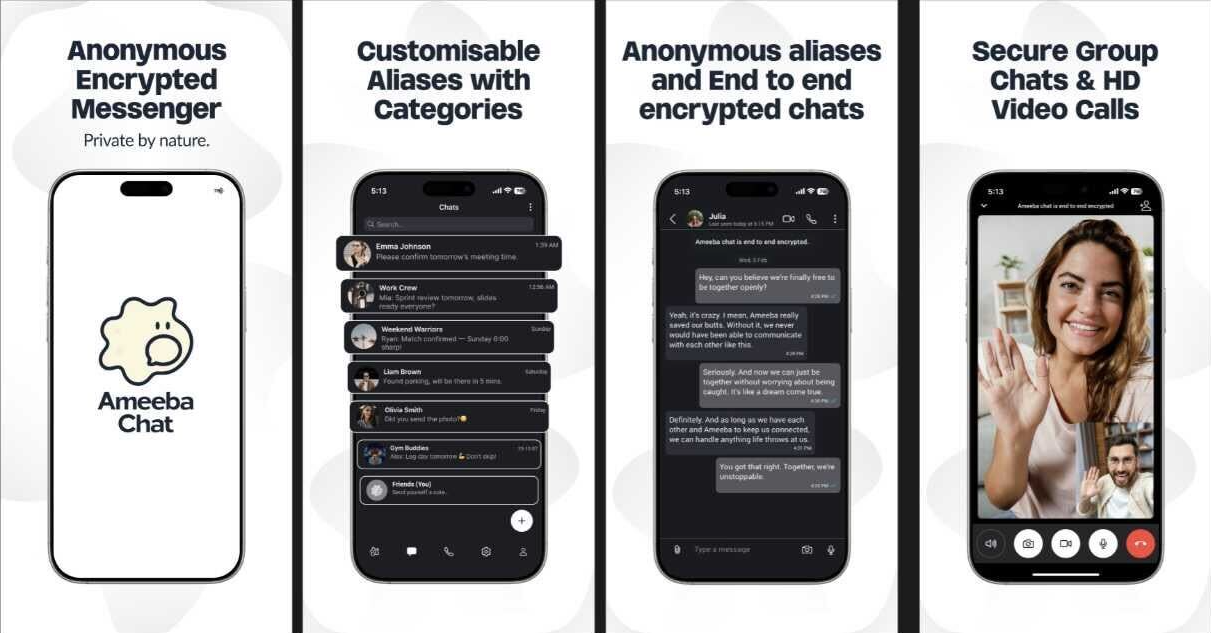
Ameeba Chat gives you a way out.
- • No phone number
- • No email
- • No personal info
- • Anonymous aliases
- • End-to-end encrypted
Chat without a trace.
Product | Affected Versions
Product 1 | All versions up to 2.1.5
Product 2 | All versions up to 3.0.8
How the Exploit Works
The vulnerability is exploited when an unauthenticated attacker sends a specially crafted HTTP request to a specific URL on the target system. This triggers an unintended behavior in the system that results in a reboot. The reboot may disrupt essential services, cause data loss, or provide an opportunity for further exploitation while the system is in an unstable state.
Conceptual Example Code
The following is a conceptual example of how the vulnerability might be exploited. In this case, an HTTP request is sent to the vulnerable URL:
GET /trigger_reboot_endpoint HTTP/1.1
Host: target.example.com
Mitigation & Patching
The recommended mitigation for this vulnerability is to apply the vendor’s patch as soon as it is available. If a patch is not immediately available, using a Web Application Firewall (WAF) or Intrusion Detection System (IDS) that can filter or block the malicious requests can serve as a temporary mitigation. Regularly updating and patching your systems can help prevent exploitation of this and other vulnerabilities.
