
Overview
The CVE-2025-41653 vulnerability is a high-risk security flaw, affecting web server functionalities in various devices. An unauthenticated remote attacker can exploit this vulnerability causing the server to crash or become unresponsive. Given its severity and potential system compromise or data leakage, it is crucial for organizations and individuals using the affected systems to address this issue.
Vulnerability Summary
CVE ID: CVE-2025-41653
Severity: High (7.5 CVSS Score)
Attack Vector: Network
Privileges Required: None
User Interaction: None
Impact: Potential system compromise or data leakage
Affected Products
 Escape the Surveillance Era
Most apps won’t tell you the truth.
They’re part of the problem.
Phone numbers. Emails. Profiles. Logs.
It’s all fuel for surveillance.
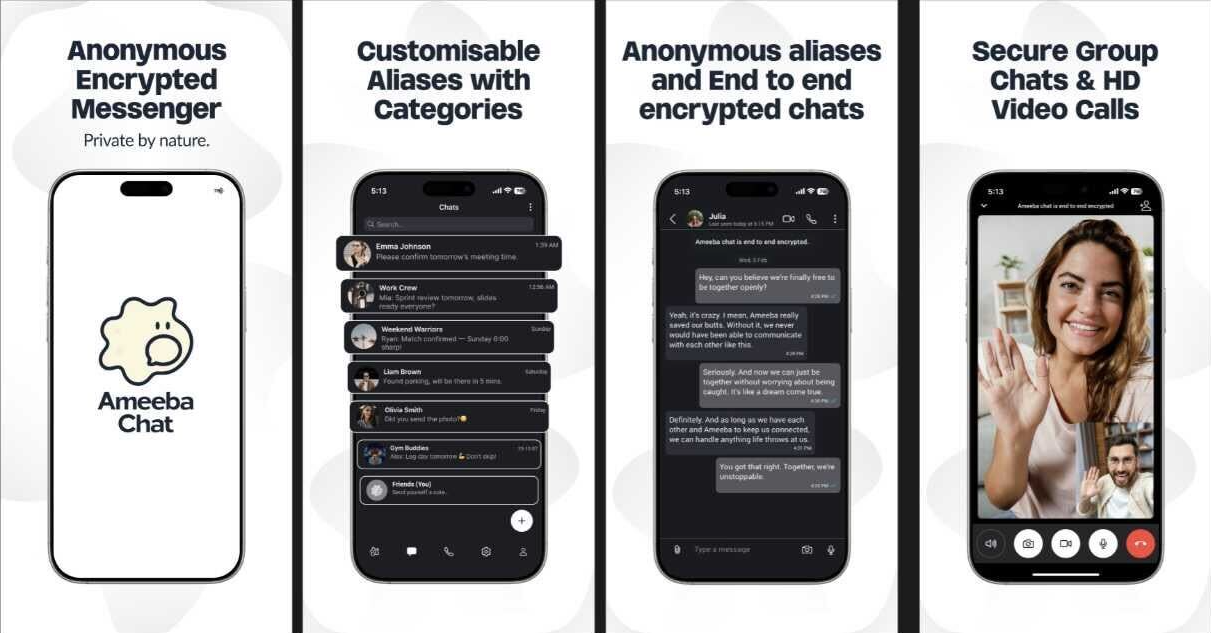
Ameeba Chat gives you a way out.
- • No phone number
- • No email
- • No personal info
- • Anonymous aliases
- • End-to-end encrypted
Chat without a trace.
Product | Affected Versions
Device Web Server | All versions prior to patch
How the Exploit Works
The exploit takes advantage of a flaw in the web server functionality of the affected device. The attacker sends a specially crafted HTTP request with a malicious header to the server. This request is constructed in such a way that it triggers an error condition within the server, causing it to crash or become unresponsive, thus enabling a denial-of-service attack.
Conceptual Example Code
This conceptual example demonstrates how an attacker might exploit this vulnerability. It should be noted that this is a theoretical example and the exact nature of the malicious HTTP header would depend on the specifics of the vulnerability.
GET / HTTP/1.1
Host: vulnerabledevice.com
User-Agent: Mozilla/5.0
Accept: */*
Connection: keep-alive
X-Malicious-Header: [malicious payload]
Mitigation and Recommendations
To mitigate this vulnerability, users are advised to apply the latest vendor patches as soon as they become available. In the absence of a patch, a Web Application Firewall (WAF) or Intrusion Detection System (IDS) can be used for temporary mitigation. Regular monitoring and logs review of the web server can also aid in detecting any unusual activities.
