
Overview
The vulnerability identified as CVE-2025-41399 is a significant security concern that affects systems where a Stream Control Transmission Protocol (SCTP) profile is configured on a virtual server. This vulnerability can lead to an increase in memory resource utilization due to undisclosed requests. As a result, the affected systems could potentially be compromised or suffer data leakage, thus posing a serious risk to information security.
Vulnerability Summary
CVE ID: CVE-2025-41399
Severity: High (CVSS: 7.5)
Attack Vector: Network
Privileges Required: None
User Interaction: None
Impact: Potential system compromise or data leakage due to increased memory resource utilization
Affected Products
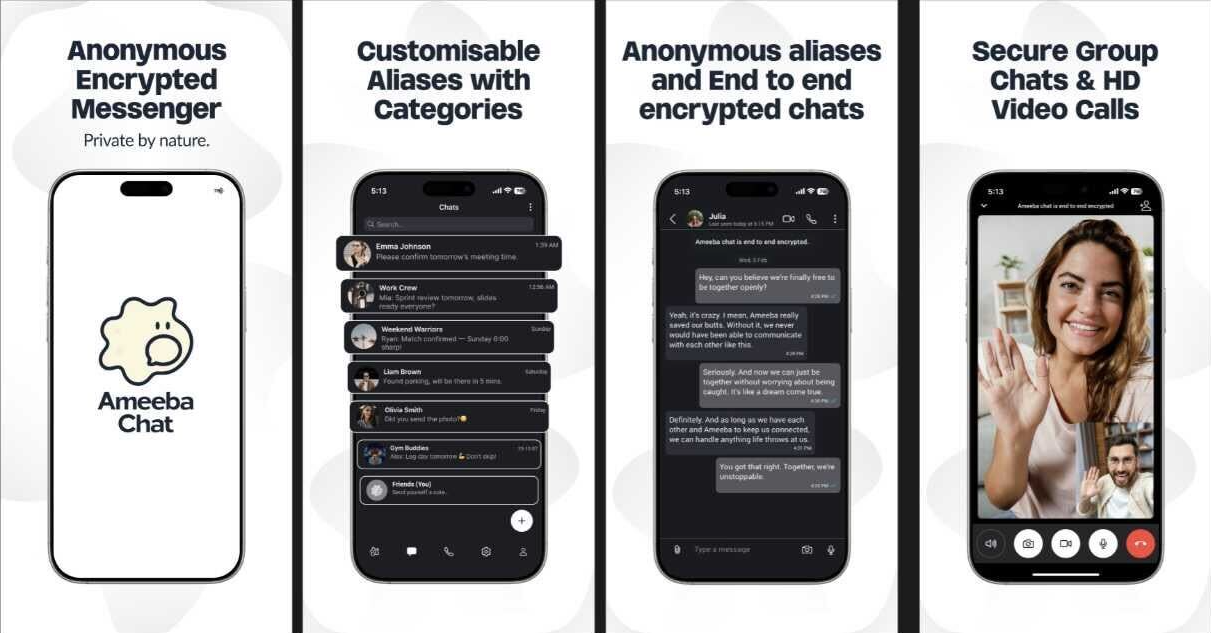
 Escape the Surveillance Era
Most apps won’t tell you the truth.
They’re part of the problem.
Phone numbers. Emails. Profiles. Logs.
It’s all fuel for surveillance.
Ameeba Chat gives you a way out.
- • No phone number
- • No email
- • No personal info
- • Anonymous aliases
- • End-to-end encrypted
Chat without a trace.
Product | Affected Versions
Virtual Server Software | All versions prior to the patch
SCTP Profile Software | All versions prior to the patch
How the Exploit Works
The exploit works by sending undisclosed requests to the virtual server when an SCTP profile is configured. These undisclosed requests can cause an increase in memory resource utilization, potentially leading to a system crash or giving unauthorized users the opportunity to access sensitive data or gain control of the system.
Conceptual Example Code
A malicious actor might exploit this vulnerability by sending a flood of undisclosed requests to the server. This could theoretically be done with a simple script, as shown below in a pseudocode:
for i in range(1000000):
send_request("http://target.example.com/vulnerable_endpoint", data={"undisclosed request": i})
This code essentially sends a million undisclosed requests to the vulnerable endpoint, leading to an increase in memory resource utilization.
