
Overview
A significant vulnerability has been identified in BIND, the widely-used Domain Name System (DNS) software. The vulnerability, tagged as CVE-2025-40777, impacts a range of BIND versions and can potentially result in system compromise or data leakage. It is crucial for organizations using the affected versions to mitigate this vulnerability due to its high severity and the potential for exploitation by malicious actors.
Vulnerability Summary
CVE ID: CVE-2025-40777
Severity: High (7.5 CVSS score)
Attack Vector: Network
Privileges Required: None
User Interaction: None
Impact: System compromise or data leakage
Affected Products
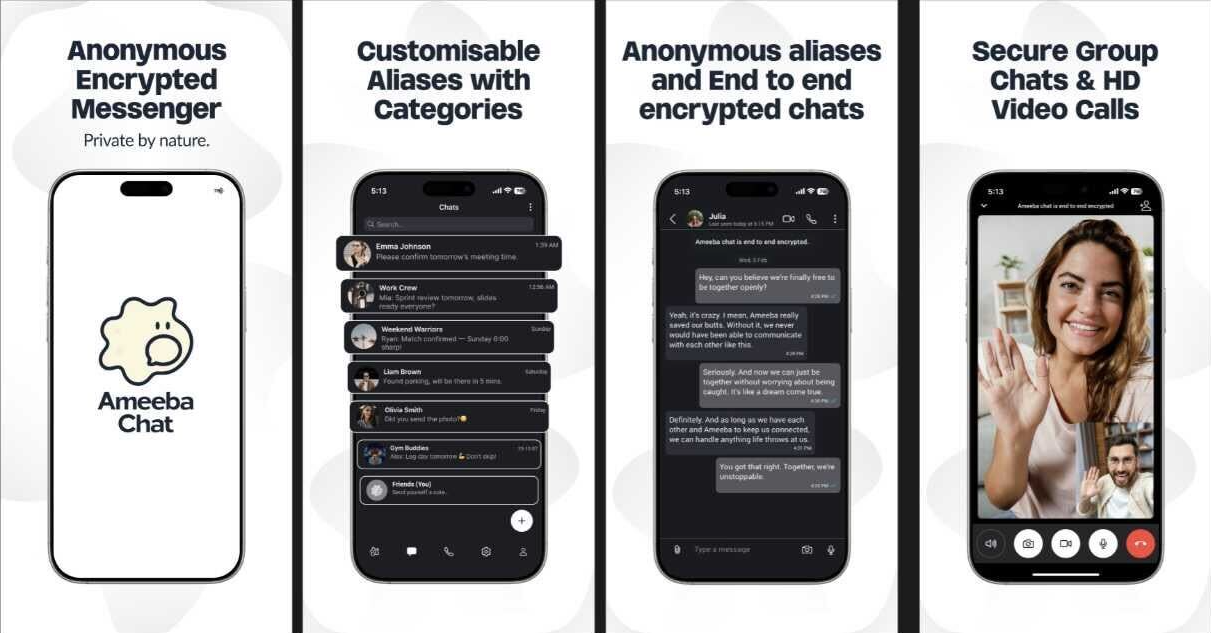
 Escape the Surveillance Era
Most apps won’t tell you the truth.
They’re part of the problem.
Phone numbers. Emails. Profiles. Logs.
It’s all fuel for surveillance.
Ameeba Chat gives you a way out.
- • No phone number
- • No email
- • No personal info
- • Anonymous aliases
- • End-to-end encrypted
Chat without a trace.
Product | Affected Versions
BIND | 9.20.0 through 9.20.10
BIND | 9.21.0 through 9.21.9
BIND | 9.20.9-S1 through 9.20.10-S1
How the Exploit Works
The exploit takes advantage of a specific configuration of the `named` caching resolver in BIND. If `serve-stale-enable` is set to `yes` and `stale-answer-client-timeout` is set to `0` (the only allowable value other than `disabled`), and the resolver encounters a CNAME chain involving a certain combination of cached or authoritative records while resolving a query, the daemon will abort due to an assertion failure. This abort can potentially lead to a system compromise or data leakage.
Conceptual Example Code
While the exact details of how the exploit could be utilized aren’t provided, an attacker might attempt to send a series of DNS queries designed to trigger the specific CNAME chain. A conceptual example of a DNS request triggering the vulnerability might look like this:
dig @vulnerable.server.com cname_chain_trigger.example.comIn this example, `cname_chain_trigger.example.com` would be a domain under the attacker’s control, configured to return the specific CNAME chain that triggers the vulnerability.
