
Overview
The CVE-2025-40597 vulnerability pertains to a heap-based buffer overflow issue within the SMA100 series web interface. This vulnerability, if exploited, can allow remote, unauthenticated attackers to cause a Denial of Service (DoS) or potentially execute arbitrary code on the affected system. Given the widespread use of the SMA100 series, this vulnerability is of significant concern due to its potential for system compromise or data leakage.
Vulnerability Summary
CVE ID: CVE-2025-40597
Severity: High (7.5 CVSS Score)
Attack Vector: Network
Privileges Required: None
User Interaction: None
Impact: Potential system compromise or data leakage
Affected Products
 Escape the Surveillance Era
Most apps won’t tell you the truth.
They’re part of the problem.
Phone numbers. Emails. Profiles. Logs.
It’s all fuel for surveillance.
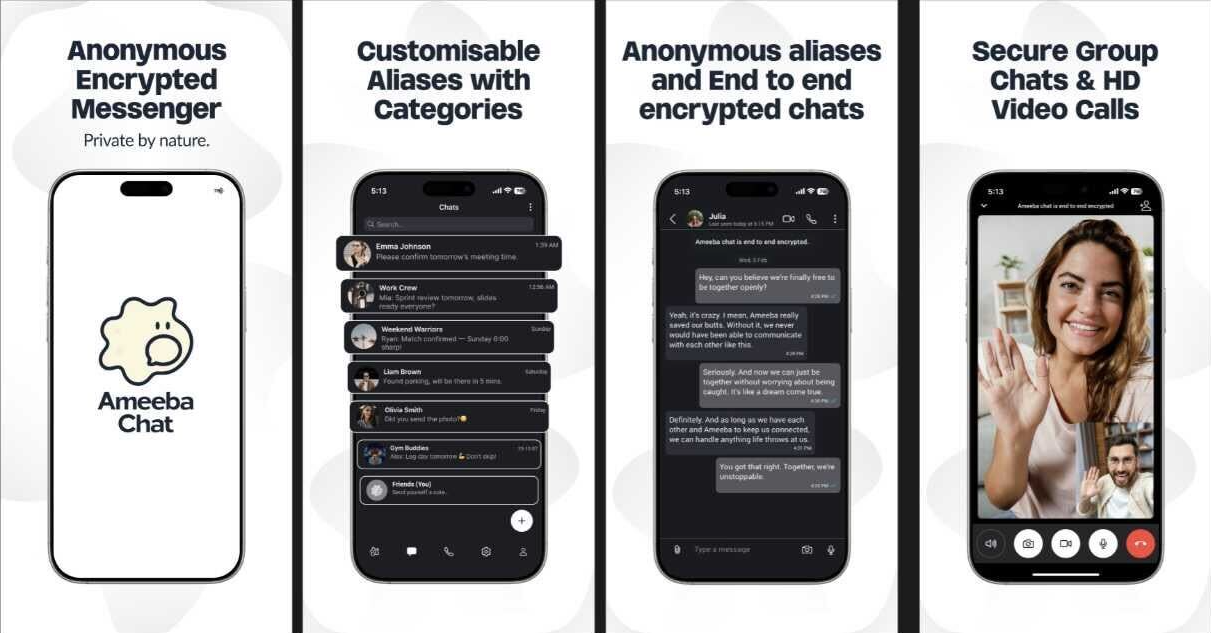
Ameeba Chat gives you a way out.
- • No phone number
- • No email
- • No personal info
- • Anonymous aliases
- • End-to-end encrypted
Chat without a trace.
Product | Affected Versions
SMA100 Series | All versions prior to the vendor patch
How the Exploit Works
The heap-based buffer overflow vulnerability in the SMA100 series web interface occurs when an attacker sends a specially crafted packet to the target system. This packet overflows the buffer, causing the system to behave unpredictably. In the worst-case scenario, this unpredictable behavior could allow the attacker to execute arbitrary code remotely, leading to a full system compromise.
Conceptual Example Code
Here is a conceptual example of exploiting this vulnerability. This example is not intended to be a working exploit, but rather to demonstrate the general approach an attacker may take.
POST /sma100/endpoint HTTP/1.1
Host: target.example.com
Content-Type: application/octet-stream
{ "buffer": "OVERFLOW_PAYLOAD" }
In this example, `OVERFLOW_PAYLOAD` is a specially crafted series of bytes that cause the buffer overflow to occur. An attacker would need to carefully construct this payload to target the specific system and version they are attempting to exploit.
Mitigation Guidance
To mitigate this vulnerability, it is recommended to apply the vendor patch as soon as it becomes available. In the meantime, use a Web Application Firewall (WAF) or Intrusion Detection System (IDS) to monitor and block potential exploits.
