
Overview
A significant security vulnerability, designated as CVE-2025-39492, has been identified in the popular hosting management software, WHMpress. This vulnerability, a form of Path Traversal, allows for Relative Path Traversal from versions 6.2 through revision. The exploit carries the potential for malicious actors to compromise systems or leak sensitive data. Given the widespread use of WHMpress, the implications of this vulnerability are substantial.
Vulnerability Summary
CVE ID: CVE-2025-39492
Severity: High (7.5 CVSS)
Attack Vector: Network
Privileges Required: None
User Interaction: None
Impact: System compromise and potential data leakage
Affected Products
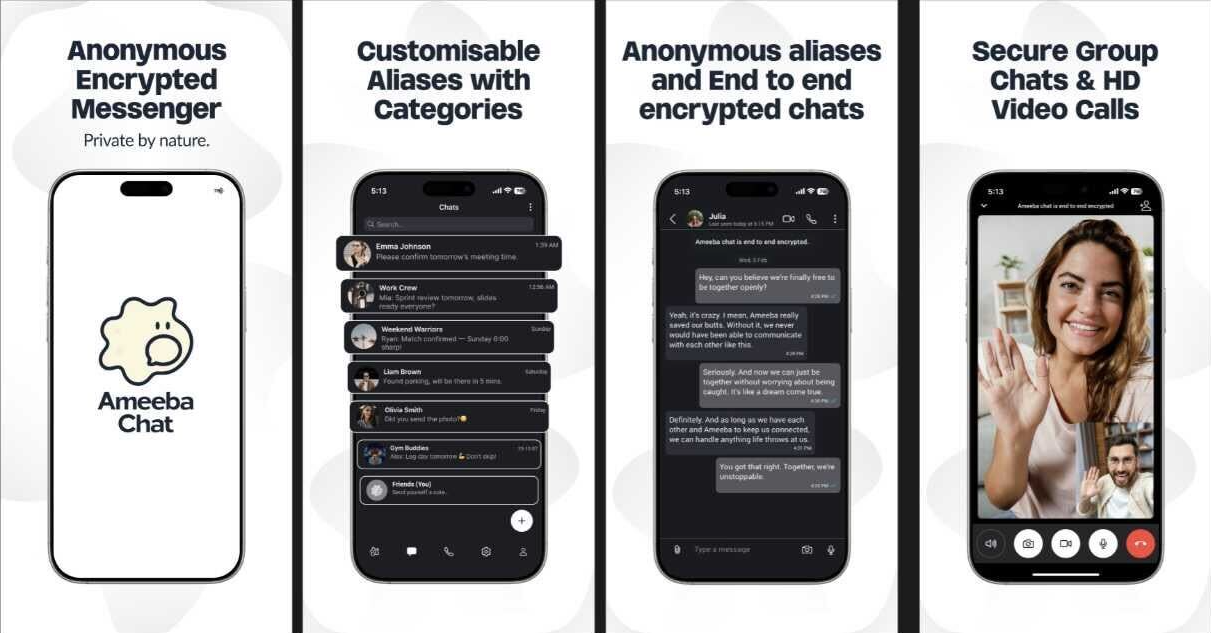
 Escape the Surveillance Era
Most apps won’t tell you the truth.
They’re part of the problem.
Phone numbers. Emails. Profiles. Logs.
It’s all fuel for surveillance.
Ameeba Chat gives you a way out.
- • No phone number
- • No email
- • No personal info
- • Anonymous aliases
- • End-to-end encrypted
Chat without a trace.
Product | Affected Versions
WHMpress | 6.2 through revision
How the Exploit Works
The exploit works by the attacker sending specially crafted input to the WHMpress application. This input, which involves a relative path, is not properly sanitized by the software, allowing the attacker to traverse directories outside of the intended boundary. This could potentially give the attacker access to sensitive system files and data.
Conceptual Example Code
Here’s a conceptual example of how the vulnerability might be exploited, using an HTTP request:
GET /WHMpresspage?file=../../etc/passwd HTTP/1.1
Host: target.example.com
In this example, the attacker is attempting to access a sensitive system file (the Unix password file) via relative path traversal by moving up two directory levels from the expected context.
Mitigation
To mitigate this high-risk Path Traversal vulnerability, users are strongly recommended to apply the vendor’s patches as soon as they become available. In the interim, utilizing a Web Application Firewall (WAF) or Intrusion Detection System (IDS) can provide temporary mitigation by detecting and potentially blocking attempts to exploit this vulnerability. Regularly review and update security protocols to ensure the best possible defense against potential threats.
